BofA Fund Managers Cut Tech Overweight By Most Since 2006
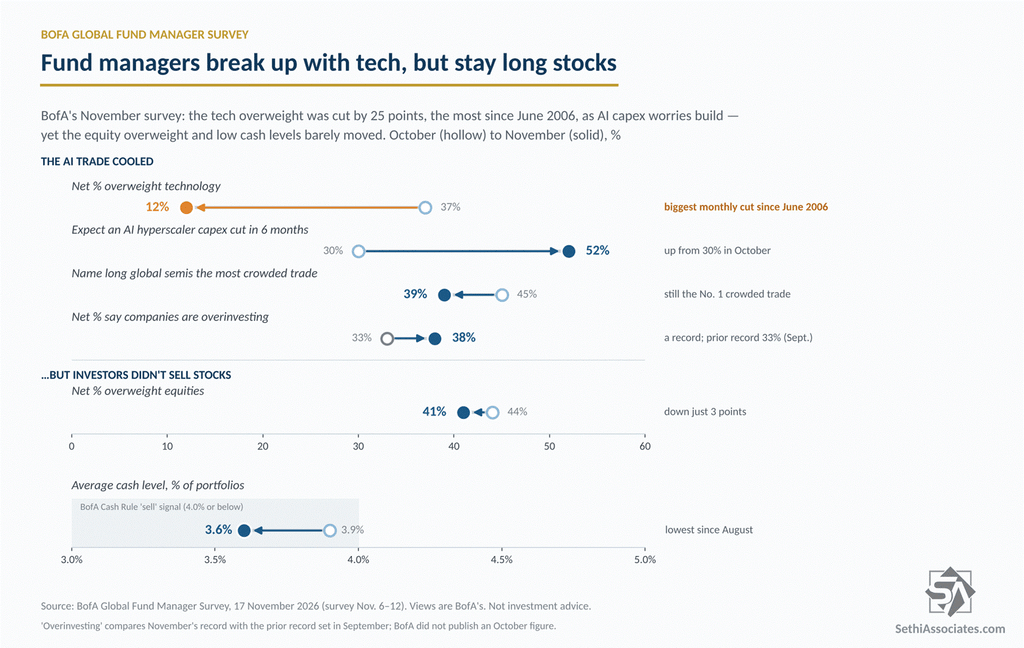
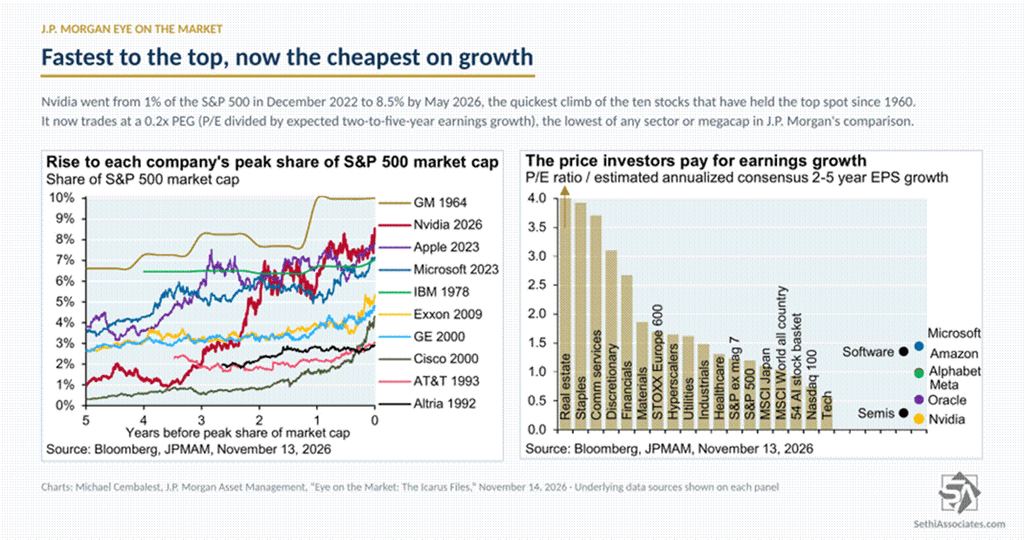
Fund managers kept their allocations to stocks high, but made their biggest cut to tech in more than 20 years this month according to Bank of America’s November Global Fund Manager Survey. The net share of investors overweight technology fell to 12% from 37% in October, the biggest one-month cut since June 2006. Just a month ago, tech was their largest overweight since August 2020.
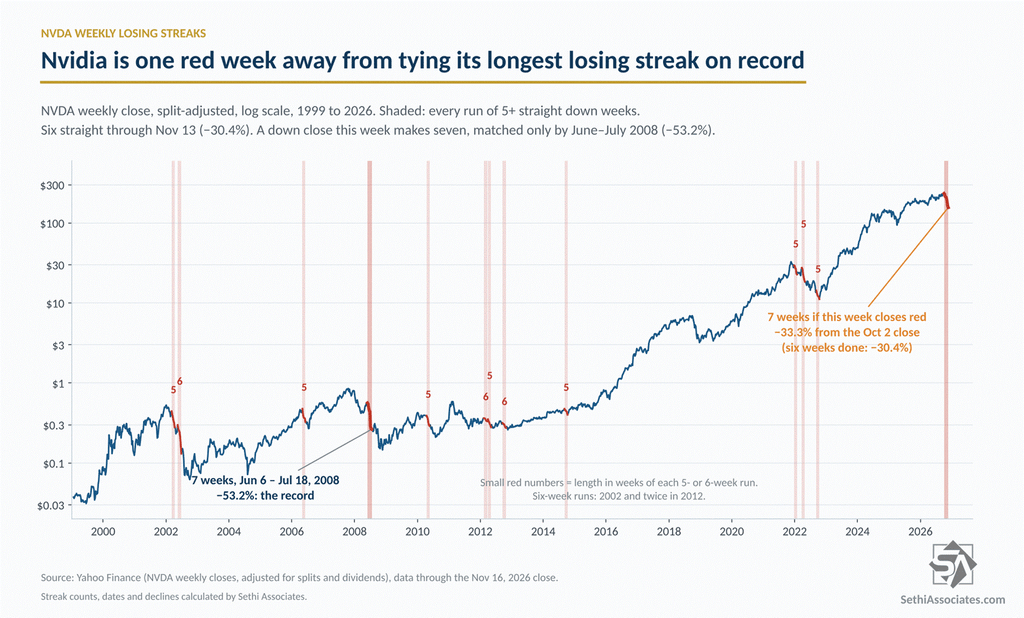
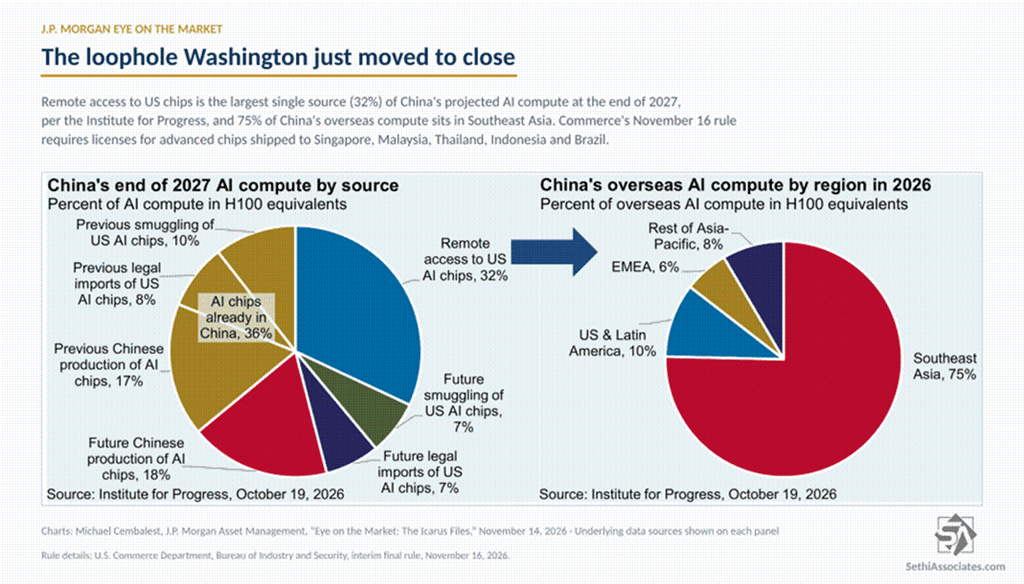
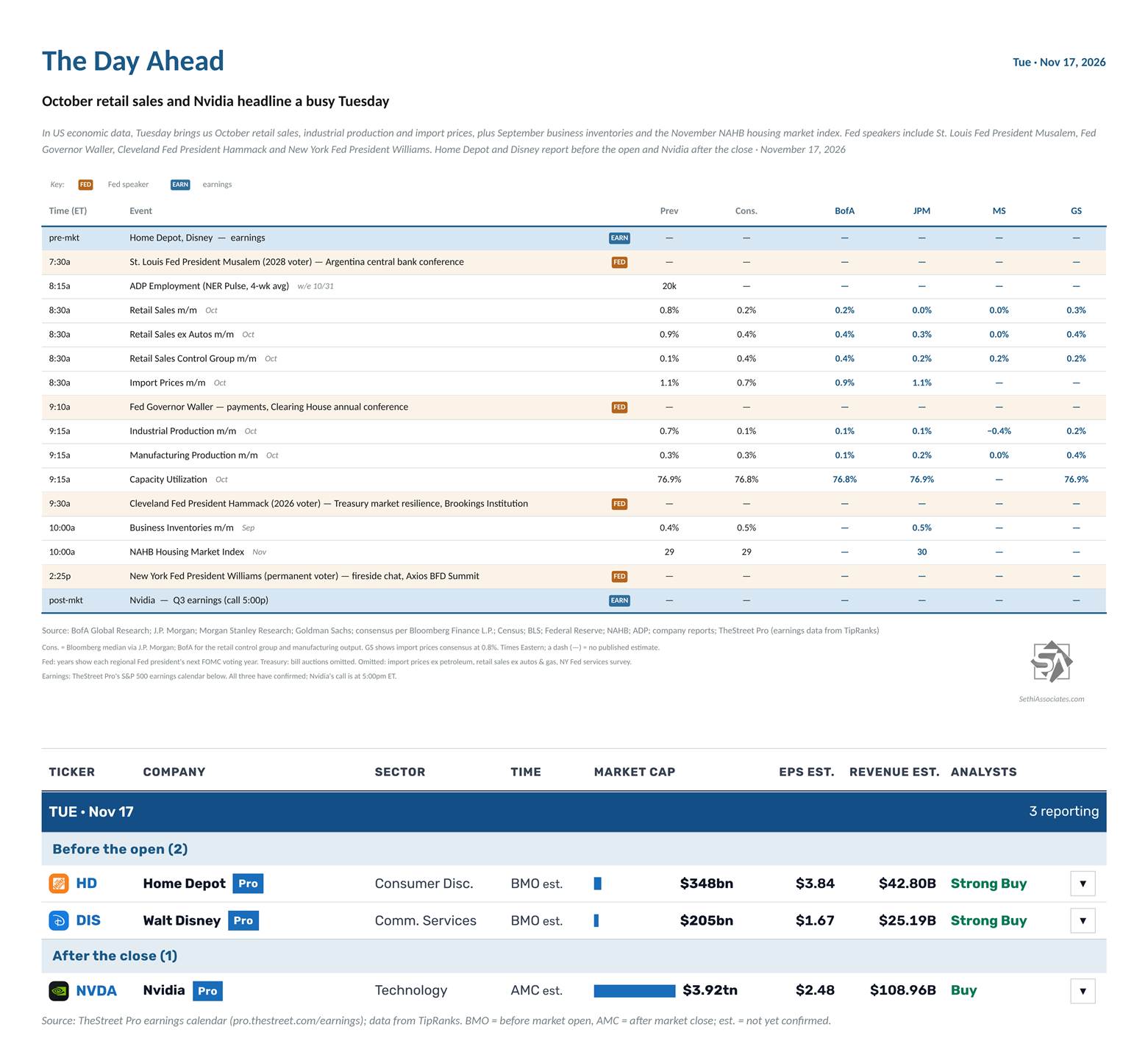
The survey ran November 6 through November 12, right after the AI rout that gave the tech sector its worst day since the Covid crash and through the leadership shake-up at Nvidia (NVDA). BofA’s Michael Hartnett summed it up: investors are still bullish on the economy and markets, “but euphoria on boom & AI over.”
The AI Capex Worries Are Building
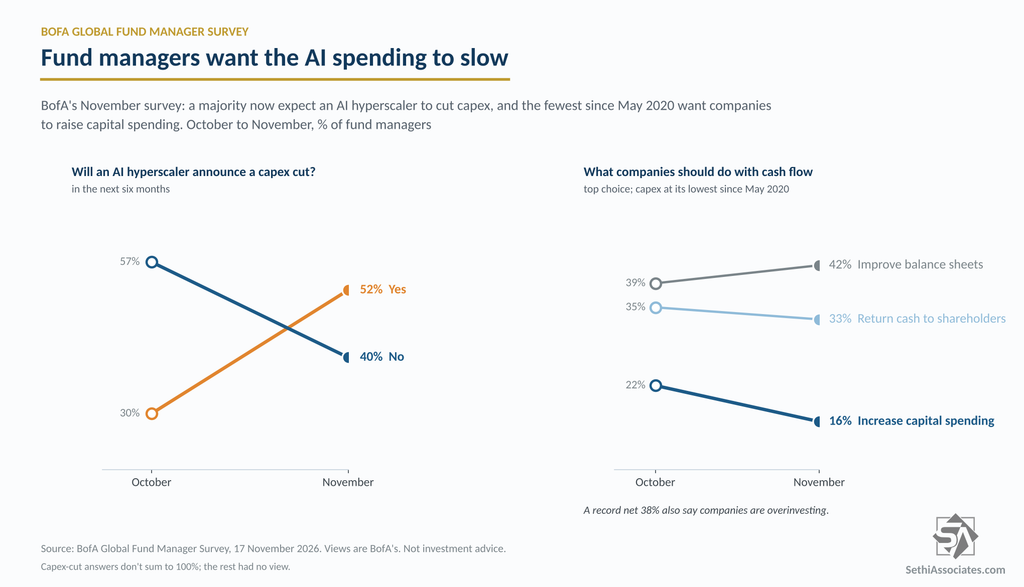
The bigger shift may be in how investors see AI spending. A majority of 52% now expect an AI hyperscaler to announce a capex cut in the next six months, up from 30% in October, and only 16% want companies to increase capital spending, the fewest since May 2020, while a record net 38% say companies are overinvesting.
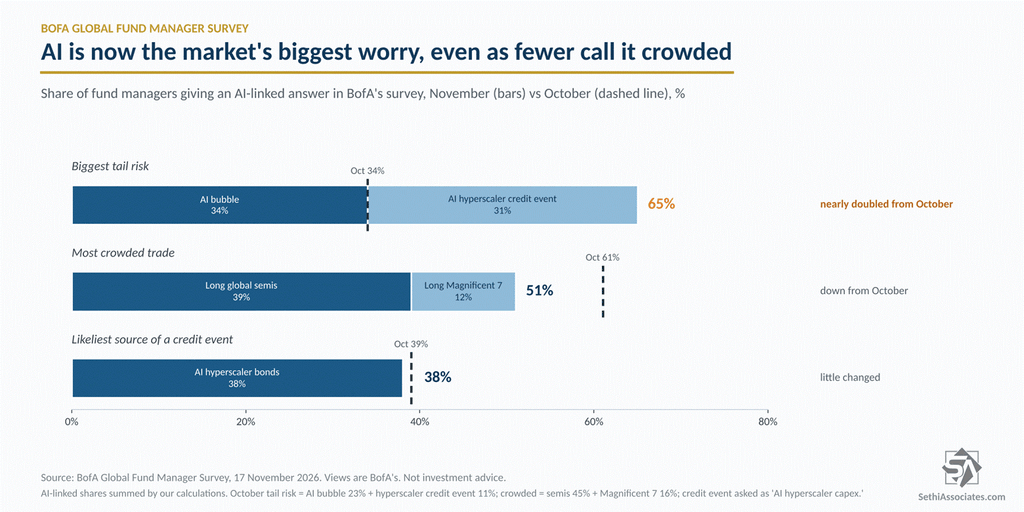
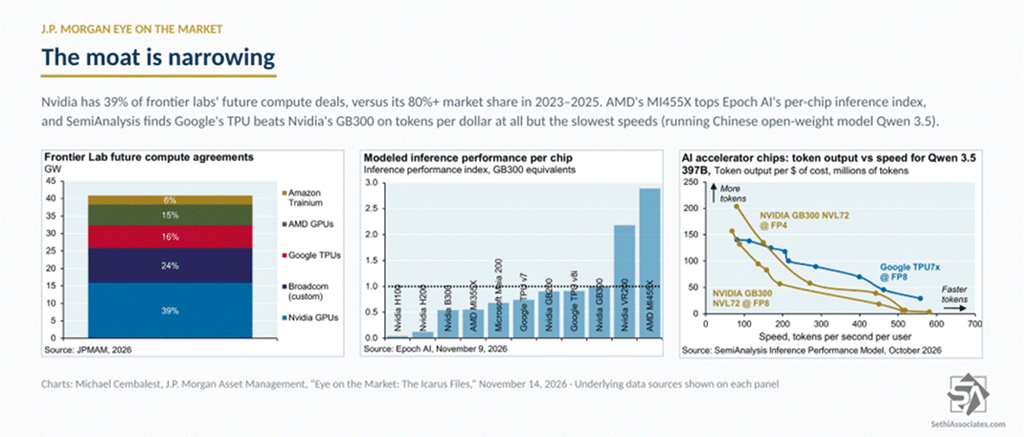
It shows up in the risk lists too. An AI bubble is fund managers’ top tail risk (34%), followed by an AI hyperscaler credit event (31%). Put together, 65% now name an AI-related tail risk, nearly double October’s 34% by our calculations. Another 38% see hyperscaler bonds as the most likely source of a systemic credit event, ahead of private credit at 30%. The one AI gauge that eased is crowding: long global semiconductors is still the most crowded trade, but at 39% it’s down from 45% in October and from a peak of 82% in July.
Rotation, Not Exit
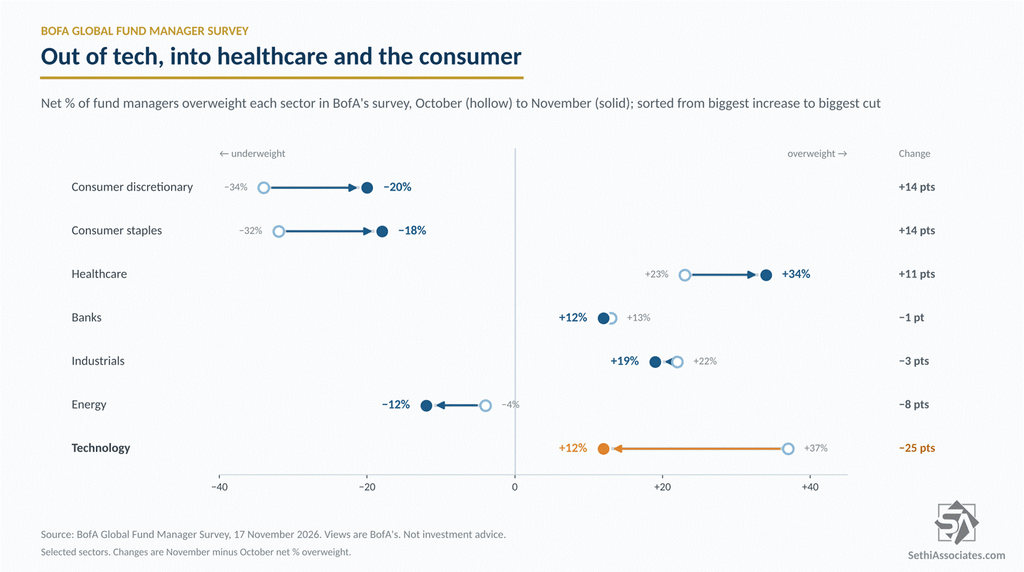
For all that, fund managers didn’t head for the exits. Their overweight in stocks slipped only to a net 41% from 44%, and cash fell to 3.6% from 3.9%, which keeps BofA’s Cash Rule flashing a “sell” signal (it treats cash at 4% or below as a sign of too much optimism). The money moved within stocks instead, into a big overweight in healthcare and out of underweights in consumer discretionary and staples. That fits with BofA’s own client flows, which showed big investors buying the dip in early November.
What to Watch
Hartnett notes that the best entry points in tech have historically come when fund managers cut it to an underweight. At a net 12% overweight, they’re not there yet. And with cash this low, BofA is staying “tactically risk-off,” saying the November survey “does not show enough investor ‘fear’ to buy.”
I looked at the case for a tech rebound earlier this month in Is Tech Ready to Rebound?. From here, it would seem the signals to watch are whether that overweight keeps shrinking toward an underweight, and whether the hyperscalers actually deliver the capex cuts more than half of investors now expect.
Conversation 0 Comments
One ongoing discussion across all days. Everyone can read; sign in to take part.
Your voice matters. Discussions are moderated for civility. Read our guidelines .
Log in to join the conversation