Fed’s Waller: ‘You Might Need to, Like, Shock People’
Fed Governor Christopher Waller again called for a half-point rate hike at the Fed’s December 8–9 meeting although tempered that somewhat saying the Fed could also signal that another hike will follow in January. He made the case on CNBC’s Squawk Box.
That’s a step up from last week. On November 10, Waller said a 50bp hike “should be considered” if October core CPI came in around 0.3% or higher. It did, for a third straight month. Now he’s past considering it. “I’m very, very concerned about inflation. It’s kind of headed in the wrong direction, and it’s spreading out,” he said. “If you really want to get it down, you’ve got to start taking more aggressive actions.” His bluntest line: “You might need to, like, shock people.”
His worry is psychological. He’s concerned that businesses and consumers are getting used to inflation around 3%. He wants the Fed to reverse all three of its 2025 rate cuts, and possibly go further. The September hike already undid one, so that means a fed funds range of 4.25% to 4.5%. That’s two more quarter-point hikes, or one half-point move, from today’s 3.75% to 4%.
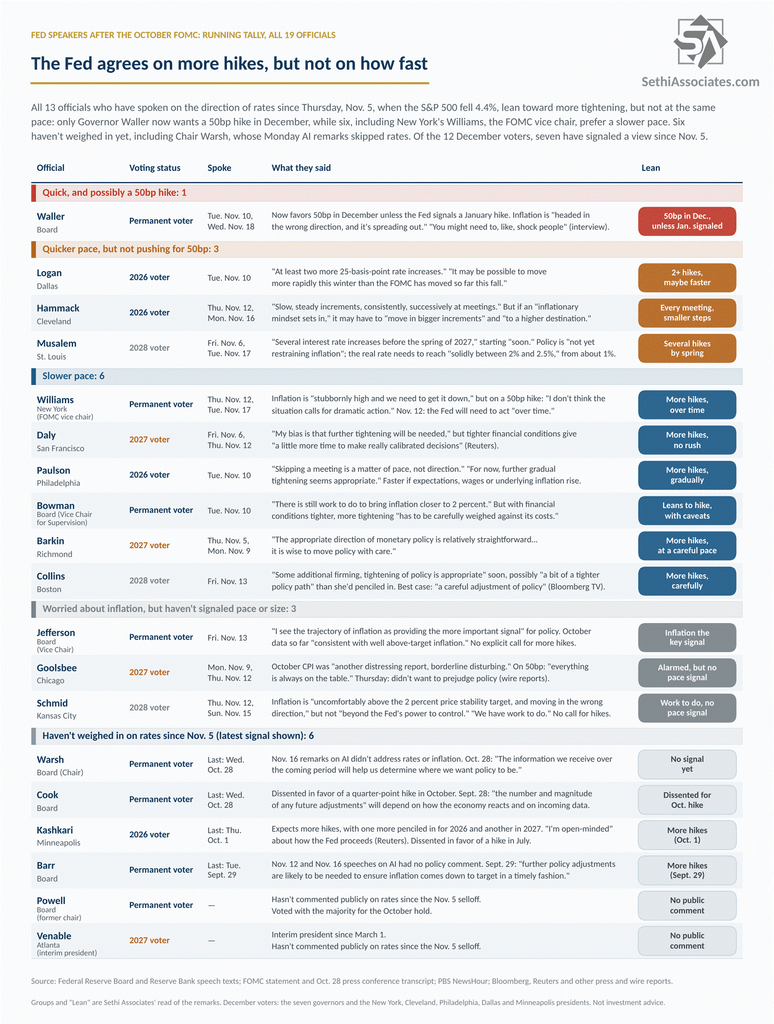
For now, 50-basis points is an outlier call. Most officials who’ve spoken since the November 5 selloff prefer a steadier, more gradual pace. Vice Chair for Supervision Michelle Bowman said there is “still work to do to bring inflation closer to 2 percent,” but with financial conditions tighter, more tightening “has to be carefully weighed against its costs.” Even the officials who want to move faster have stuck to quarter points. Dallas’ Lorie Logan expects “at least two more 25-basis-point rate increases” and said “it may be possible to move more rapidly this winter than the FOMC has moved so far this fall.” St. Louis’ Alberto Musalem wants “several” hikes before spring, but he doesn’t vote until 2028.
It’s also not the view of the Fed’s leadership. New York Fed President John Williams, the FOMC vice chair, said Tuesday that “I don’t think the situation calls for dramatic action” when asked about a half-point hike. All 13 officials who’ve spoken on rates since November 5 lean toward more hikes, but Waller is the only one calling for 50bp. But Waller’s desire on December then January isn’t out of step with the “quicker pace” crowd.
Markets haven’t come around to his view either. Futures put about a 10% chance on a half-point move in December, according to CME’s FedWatch tool, up from zero before his November 10 speech.
What to Do With It
Waller has often been ahead of the curve, so I take his statements seriously. But in this case, he may be more focused on drawing attention to the need for a faster pace than on getting a 50 basis point hike specifically. With a December hike all but locked in, the real battle will be over January.
Remember, though, that a new batch of regional Fed presidents rotates into voting seats in January. Out go Cleveland’s Beth Hammack, Dallas’ Lorie Logan, Minneapolis’ Neel Kashkari and Philadelphia’s Anna Paulson, the first three all fairly hawkish. Hammack and Kashkari both dissented in favor of hikes this year. Replacing them will be Chicago’s Austan Goolsbee, Richmond’s Tom Barkin, San Francisco’s Mary Daly and Atlanta’s interim president, Cheryl Venable. None of them has pushed for a faster pace. Daly says tighter financial conditions give “a little more time,” Barkin wants to “move policy with care,” Goolsbee hasn’t signaled a pace, although of the four he’s been the most hawkish, and Venable hasn’t commented publicly on rates. That may be part of why Waller wants to move now: a January hike would have to get through a less hawkish committee.
One other fly in the ointment is Waller’s condition that, in lieu of a 50 basis point move, the Fed explicitly signal a January hike at the December meeting. But Chair Warsh has made a point of not giving near-term guidance on rates, so December may come down to a choice: Warsh bends on guidance, the Fed goes 50, or it hikes 25 with no signal and risks a Waller dissent. Any of the three leaves the path higher than a quiet quarter point, which may mean more pressure on the 2-year Treasury yield, which jumped the most since 2024 last week.
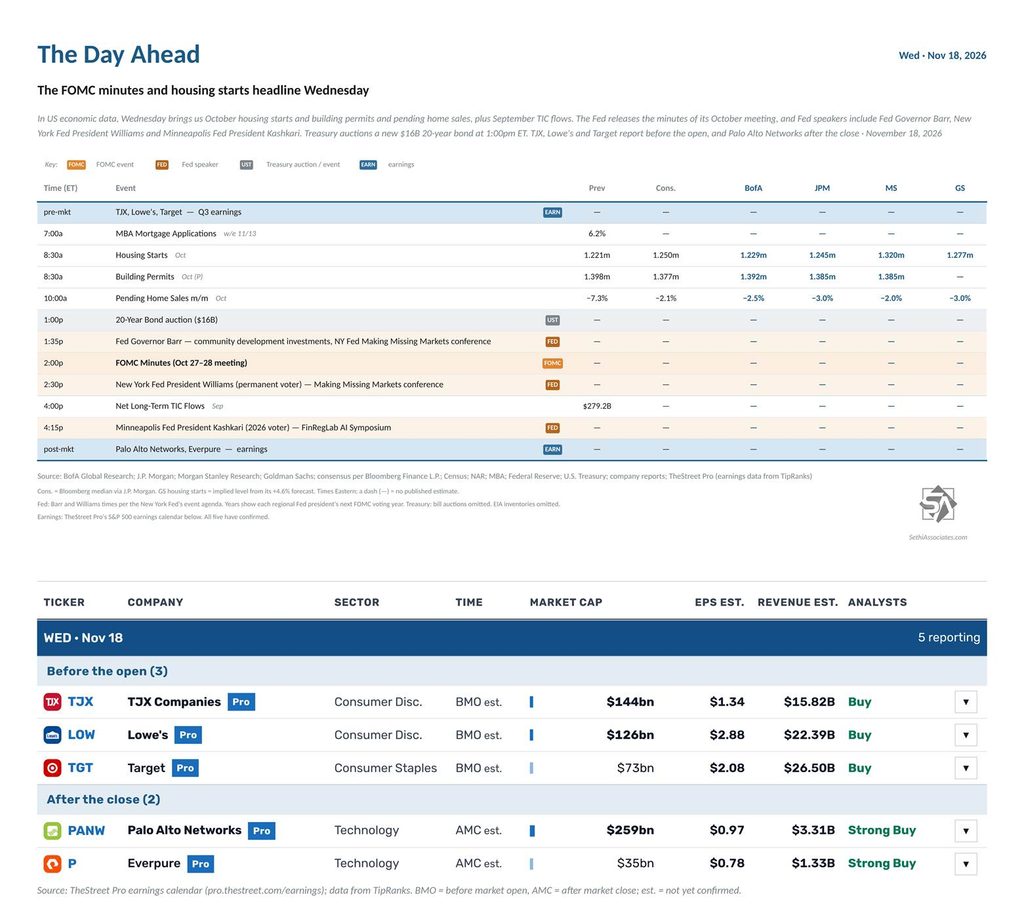
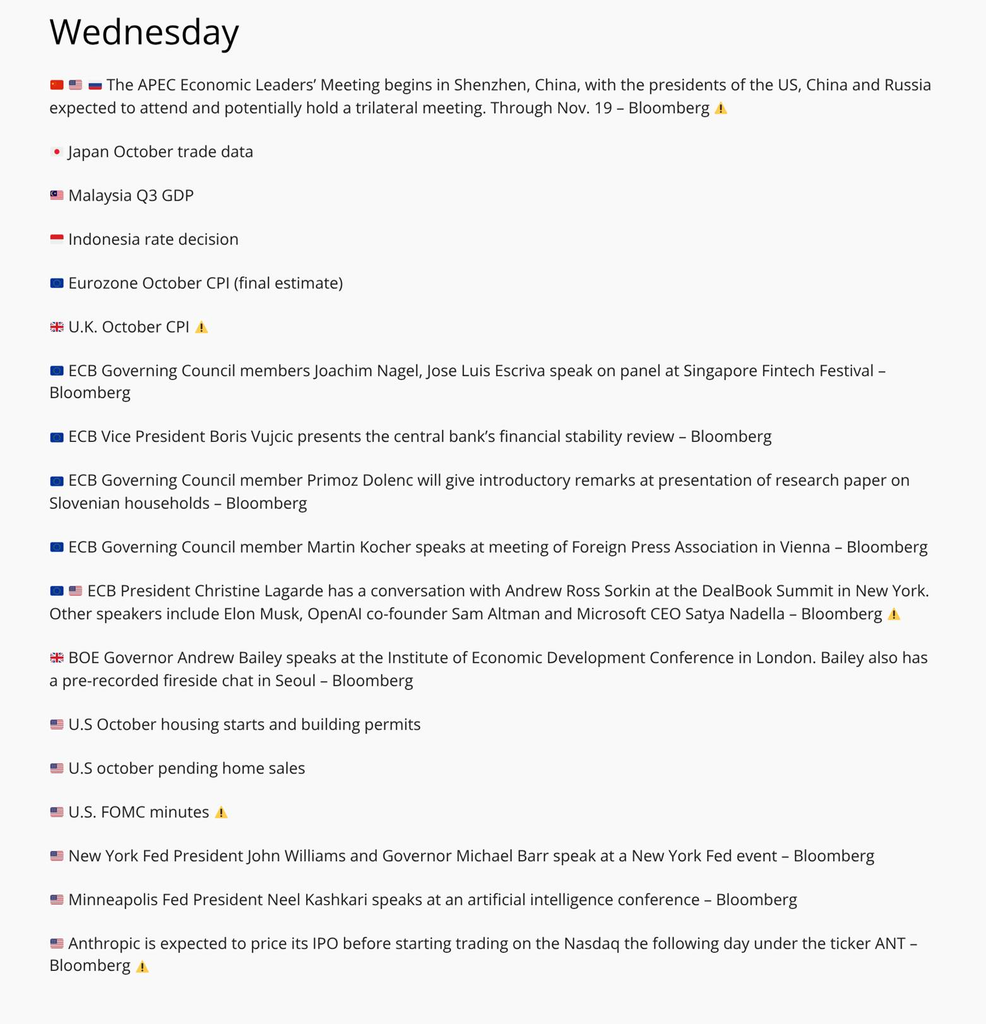
This afternoon’s minutes from the October meeting will show how many officials were already leaning Waller’s way, and five December voters, including Warsh, still haven’t weighed in on rates.
Conversation 0 Comments
One ongoing discussion across all days. Everyone can read; sign in to take part.
Your voice matters. Discussions are moderated for civility. Read our guidelines .
Log in to join the conversation