Poorly Positioned Investors Trigger Strong Rally Action
Days like this are more common in struggling markets than in healthy ones.
You've reached your free article limit
You've read 0 of 1 free Pro articles.
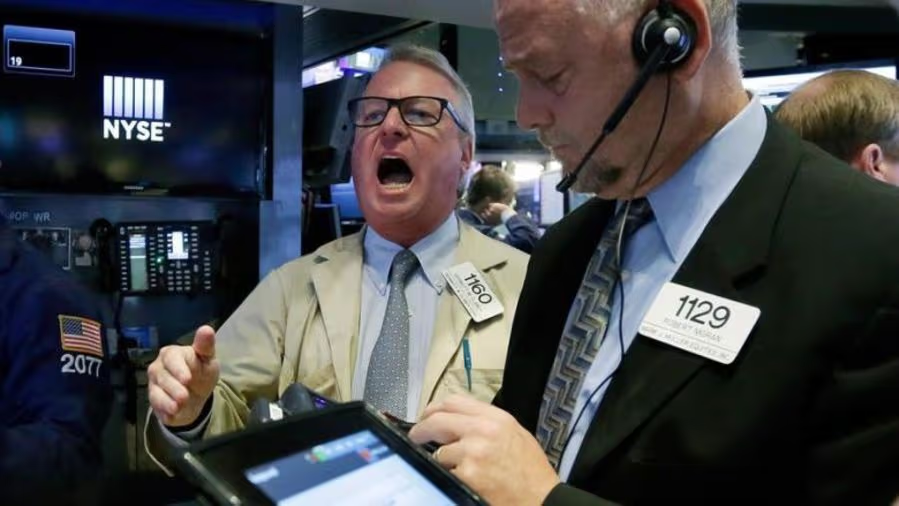
Monday was a strong day. The Invesco QQQ Trust (QQQ) gained 3.6%, the iShares Russell 2000 ETF (IWM) jumped 3.2% and the SPDR S&P 500 ETF (SPY) rose 2.5%. Breadth was lopsided, with about 75% of stocks advancing. Within the QQQ, there were 87 gainers and only 15 decliners.
So, what was the catalyst? It wasn’t news. The primary driver was poor positioning. The recent volatility and rapid rotations left a lot of market players out of position. Some sold into last week’s panic, some were caught on the wrong side of the rotation and some simply cut their exposure when the indexes broke down. When the selling stopped, they had to scramble to get back in.
On top of that, the uncertainty of the election is over. The market still doesn’t know who the winners and losers will be, but investors are pushing to get into the stocks they think will benefit. Add in some hopes for positive seasonality heading into the end of the year, and you have plenty of buyers chasing a market that had been cleared out.
The AI leaders weren’t part of it. Nvidia (NVDA) and Alphabet (GOOGL) traded poorly while nearly everything else in the Nasdaq 100 rallied. Nvidia is dealing with the board’s investigation of its CEO, but the bigger point is where the money went. Investors weren’t buying the leaders back. They were buying the stocks they had been underweight, and that is what a positioning rally looks like.
Why This Isn’t a Signal to Chase
Don’t count on a straight move up from here. Days like this, with big index gains and lopsided breadth, typically occur in markets that are struggling. Healthy markets grind higher. Struggling markets lurch. Some of the biggest one-day gains in market history came during the bear markets of 2000 to 2002 and 2008, when positioning had become so lopsided that any pause in the selling set off a scramble.
Look at the whiplash over the past few sessions. On Thursday, only about 12% of stocks were higher. On Monday, about 75% were. Swings like that don’t happen when investors are confident. They happen when everyone is reacting to the last move and trying not to be caught offside again.
Positioning drove this move, and positioning doesn’t last long. Once the underinvested have bought back in and the shorts have covered, the market has to find buyers who want to own stocks for the right reasons. That’s when we find out whether this is the start of a new uptrend or another bounce in a choppy market.
Game Plan
The good news is that days like this help give us some support levels. That doesn’t mean those levels won’t be tested, but it gives us a clearer pattern with defined risk levels and better entry points. Last week’s lows are now the line in the sand. A pullback that holds above them would be the higher low I’ve been waiting for.
I’m not convinced the correction is over, but Monday was a step forward, and it creates better conditions for seasonal strength into the end of the year. I’m putting some cash to work incrementally and focusing on stocks with their own catalysts rather than chasing the index strength.
Have a good evening. I’ll see you tomorrow.
At the time of publication, DePorre had no positions in any securities mentioned.