Dow Peak Quickly Turns to Brutal Selloff as Investors Run
This time, investors didn’t rotate, they ran for the safety of cash.
You've reached your free article limit
You've read 0 of 1 free Pro articles.
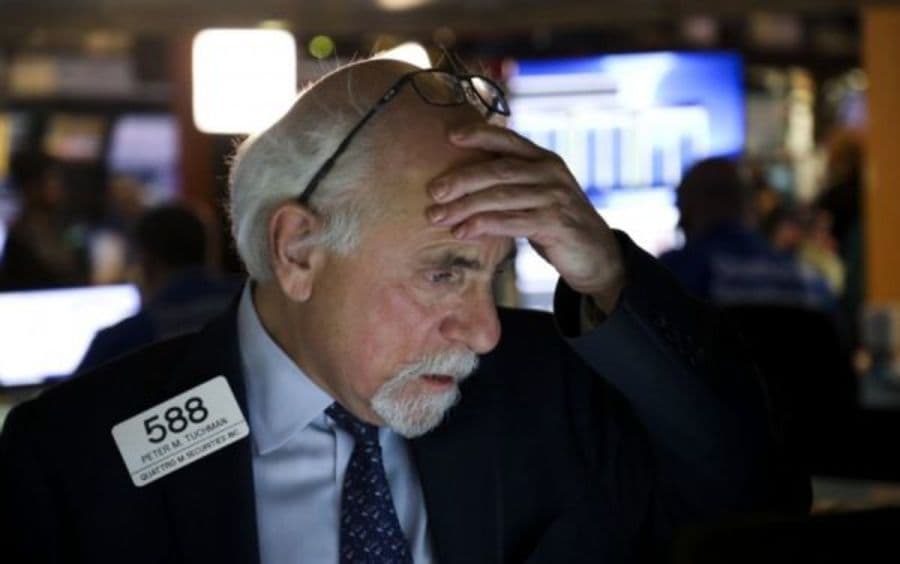
A week ago, I asked whether investors would rotate or run as the AI reset gained traction. On Thursday, they ran.
The S&P 500 fell 4.2%, its worst day since the tariff selloff in April 2025, and the Nasdaq dropped 5.3%, putting it in correction territory more than 10% below its October high. The Dow Jones Industrial Average lost 1,775 points, or 3.3%, and Wednesday’s election rally, the Dow’s best day since April 2025, is completely gone. Only about 12% of stocks finished higher, and new lows jumped to more than 750.
Thursday was different from the past month because money didn’t move elsewhere. On the bad days in October, investors sold AI names, but the equal-weight S&P 500 and small caps caught the money. On Thursday, there was no place to hide. Small caps, biotech and the affordability names that led on Wednesday were all hit.
So What Happened?
How do we go from the Dow’s best day in a year and a half to one of the most brutal selloffs of the year in a single session?
I wrote on Wednesday that I felt out of sync with the market. The reason was that I couldn’t get my mind around the catalyst. The rally seemed like an emotional reaction to a shift in the political environment, not anything based on logic. Democrats aren’t going to suddenly fix the issues the market has been struggling with for a long time. In fact, they are likely to make some of them worse. On Thursday morning, the market seemed to recognize that.
Look at what Wednesday’s buyers were celebrating. They bought Amazon (AMZN) and Microsoft (MSFT) on the idea that data-center bans would force spending discipline. That logic only works for the handful of companies that already own the capacity. Every dollar the hyper scalers don’t spend is revenue the chip, power and AI cloud companies don’t get. On Wednesday the market priced in the benefit to a few winners. On Thursday it priced in the cost to everyone who sells to them.
The selling started with the chipmakers and spread to everything connected to the AI build-out. Nvidia (NVDA) fell about 9%, Advanced Micro Devices (AMD) about 17% and CoreWeave (CRWV) about 10%. Even GE Vernova (GEV), which sells the turbines that power data centers, dropped about 7.5%.
It wasn’t a rate scare. The 10-year Treasury yield fell to about 4.84%, even though the Bank of England raised rates for the first time in three years. Bonds acted as a safe haven, which is what you’d expect on a risk-off day. Oil bounced back after Wednesday’s drop, and that took some of the shine off the affordability trade.
Good News Still Works
The one bright spot is that the market is still rewarding good stock-specific news. AppLovin (APP) jumped about 30% after beating on revenue and profit and approving a buyback of up to $3.2 billion. Tapestry (TPR) rose about 7% on better profits and a higher forecast. Xeris Biopharma (XERS) held on to a big gain after raising its 2030 revenue outlook to more than $1 billion.
In a true liquidation, everything goes down, including the good stories. We aren’t there yet.
What Breadth This Bad Tells Us
Breadth this lopsided is rare. Days when nearly nine of 10 stocks fall usually come during real shocks, like the yen carry trade unwind in August 2024 or the tariff crash in April 2025. Both of those washouts were followed by a sharp bounce. Both also took time and a retest before the market found a durable bottom.
That is the pattern to expect here. Breadth this poor doesn’t last long, and it means the market is stretched to the downside. Some sort of bounce attempt is likely soon. The first washout rarely marks the final low, though. The retest tells you whether the sellers are exhausted. If the market holds above Thursday’s lows on lighter volume, that’s the start of a durable bottom. If it slices through them, the selling has further to run.
The October jobs report hits in the morning, and it could easily add to the volatility. A soft wage number would ease the pressure for a December rate hike and give buyers something to work with. A hot one would add to the pressure on the most richly valued stocks.
Game Plan
My approach hasn’t changed. Protect precious capital and don’t rush to buy. When a bounce comes, I want to see whether it holds for more than a day and whether it is broad, not just a reflexive pop in the names that were hit hardest. Until then, I’ll stay small, wait for strength and keep my focus on stocks with their own news.
Have a good evening. I’ll see you tomorrow.
At the time of publication, DePorre was long XERS and AMZN.