🗞️ HEADLINE: DEA Judge Denies Marijuana Rescheduling Opponents’ Request To Reopen Hearing For More Testimony, But Allows New Briefs
🔥-TAKE: Opponents got a short delay for limited briefs on a GAO process critique, but the judge shut down their bid for more testimony and…
— TDR (@TheDalesReport)
In terms of timing, this likely represents a FINAL delay of the rescheduling process and will probably lead to the judge’s recommendation in November:
“The parties are not being required to file any briefs on the matter, but are invited to submit initial filings by October 29 and any replies by November 5.” (Source: TDR)
Considering the lengthy time that cannabis investors have waited for a rescheduling decision this is not too punitive and will likely put a conclusion on the process shortly.
Judge Julius is allowing final briefs on the GAO report, but by rejecting opponents' proposal to reopen the hearing, he is effectively moving the proceedings toward a close. His final recommendation is the last major step before the matter moves into the hands of Terrance Cole.
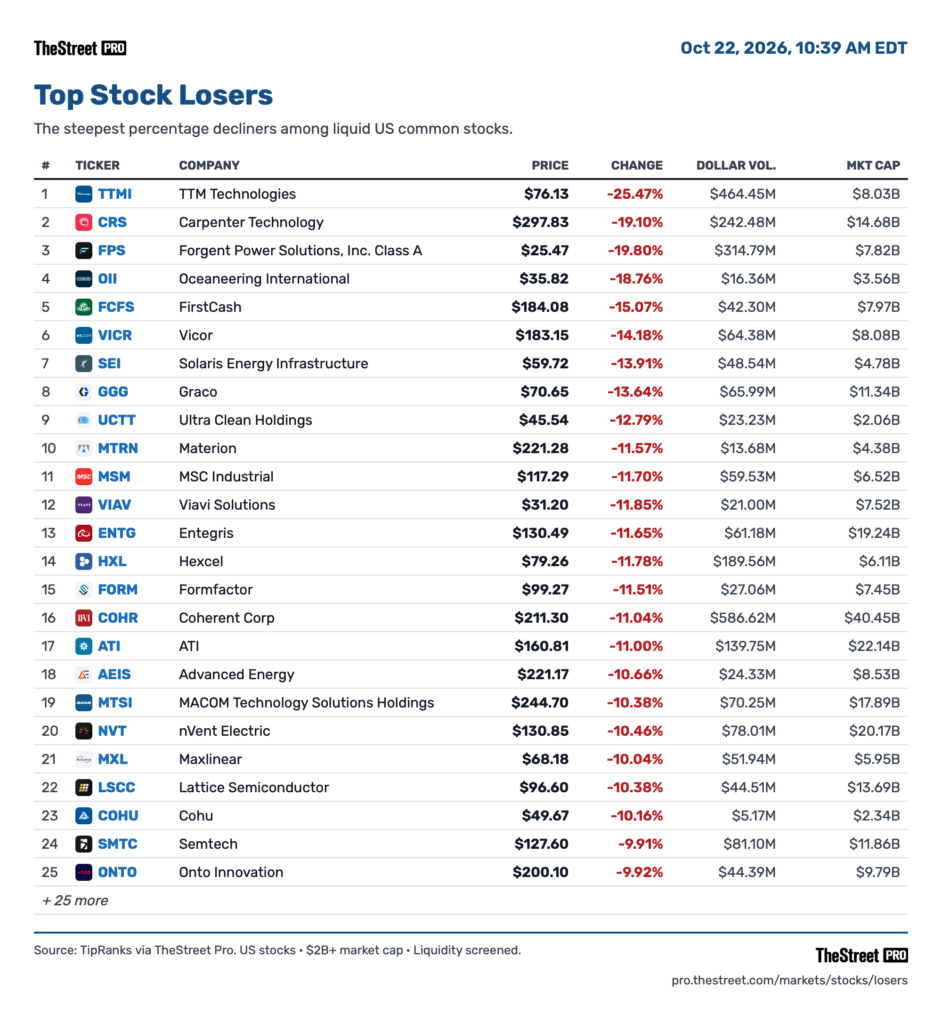
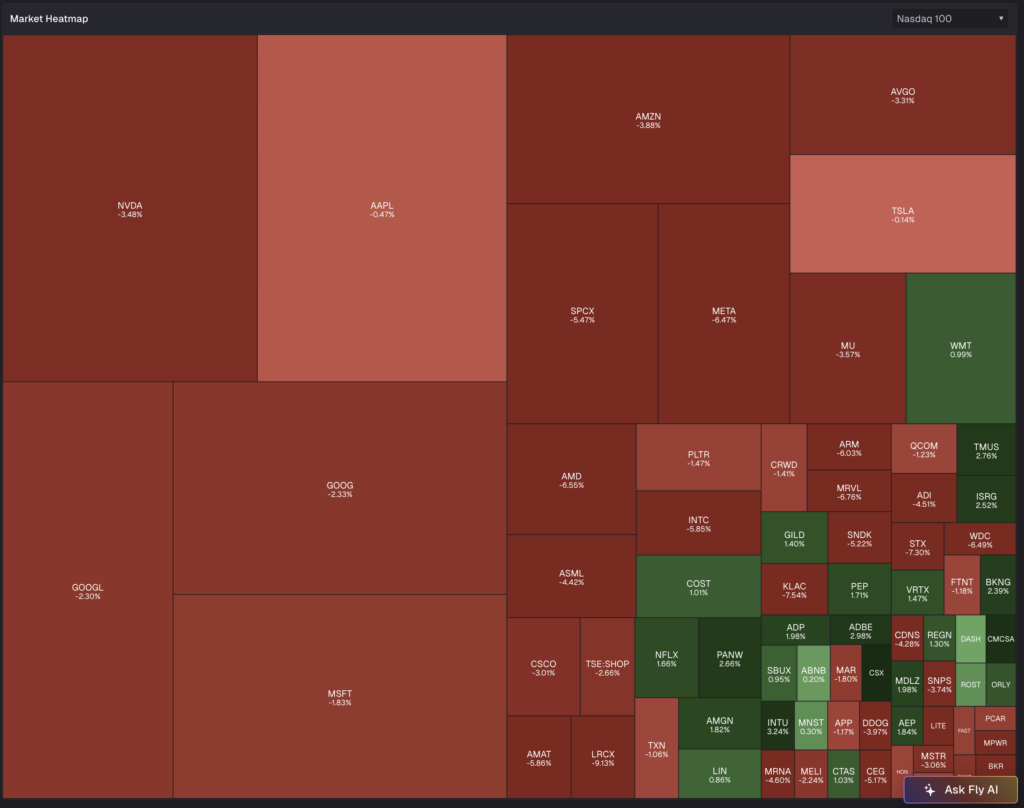
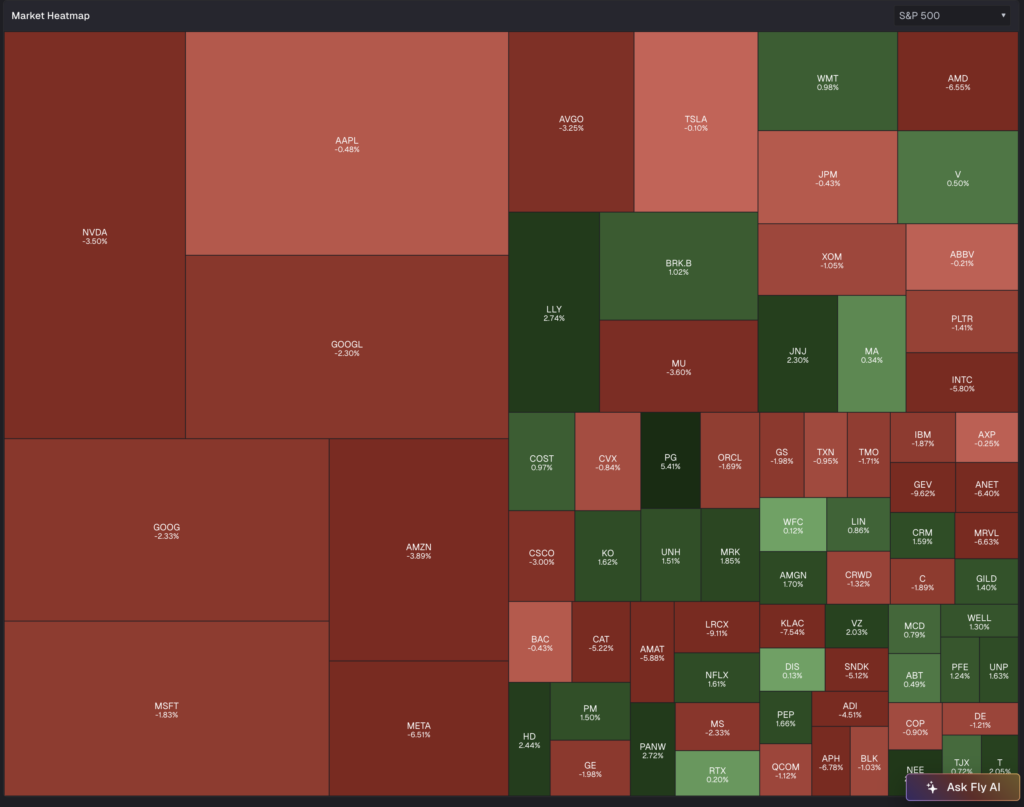
Thus far today about 25 people were asked (on Fin TV) why Meta’s (META) shares are trading much lower in the face of better results and strong forward guidance.
No one has clearly answered the question — just a bunch of B.S. and narratives (miles long but only inches deep).
From my perch these are the principal problems facing Meta, which help to explain the market’s reaction (stated simply):
* Meta disclosed the need for continued and large capital expenditures.
* Nonetheless, the company was uncertain of the timing and whether that AI spend would be monetized and whether the ROIC would be adequate relative to the spend.
* Meta’s balance sheet is debt laden with over $100 billion of balance sheet debt and over $700 billion off balance sheet.
* As a result, to fund the big AI capex, several hundred billions of dollars in equity has to be raised by the company.
We anticipated this need for a large raise — from yesterday:
Guesswork Only
My instincts tell me META beats consensus and offers good guidance.
And then it announces a primary offering of stock…
Meta needs to raise hundreds of billions of dollars over the next “several years” starting “as soon as fall 2026” and that the company can sell $700 billion in equity before Zuck loses control https://t.co/CU54qjUFHGpic.twitter.com/jmqbcxi9pp
I do not have any informed opinion on IQV but Josh Brown pitches every idea with such confidence because of charts and clearly doesn’t know much fundamentally. With IQV he says “I think it’s around a $25-26B market cap” when in fact it’s ~$46B! Okay one can make mistakes but as Doug reinforces so effectively the BS on CNBC is so cheerleader-oriented everyday with such little depth. I’ve managed money for nearly three decades and humility is key in this humbling business. I don’t think anyone on the Halftime Show embraces humility but they are all exceptionally gifted at promotional hype to gather assets. When (not IF) we have another 2022 (or perhaps 2000), I will look forward to witnessing some humility from the panelists but the expectation bar is low…
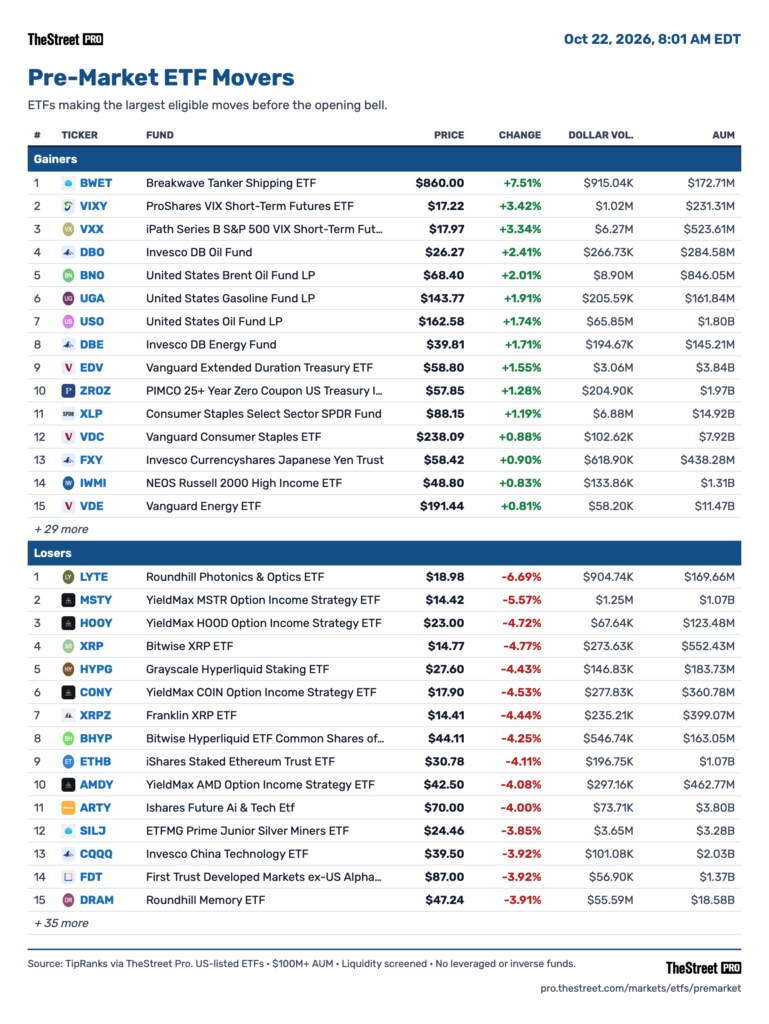
MSOS Our dream scenario here is that the ALJ judge issues his positive recommendation, which gives the White House the certainty it needs to announce the descheduling commission… all in the next week and a half before the midterms
“The sea was angry that day, my friends – like an old man trying to send back soup in a deli.”
– George Costanza
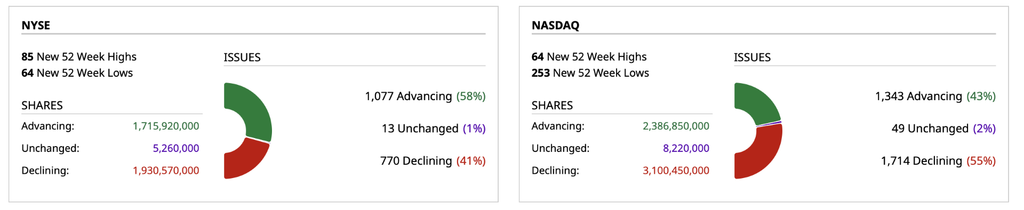
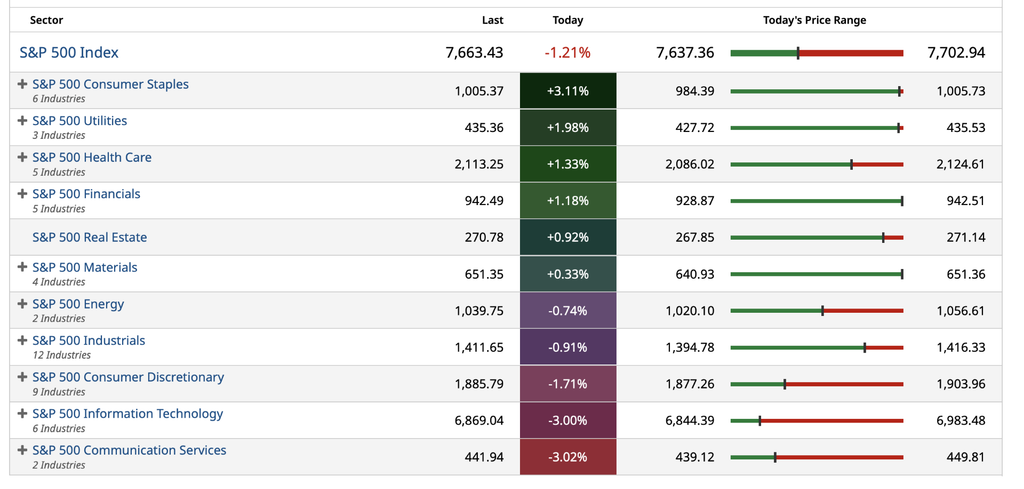
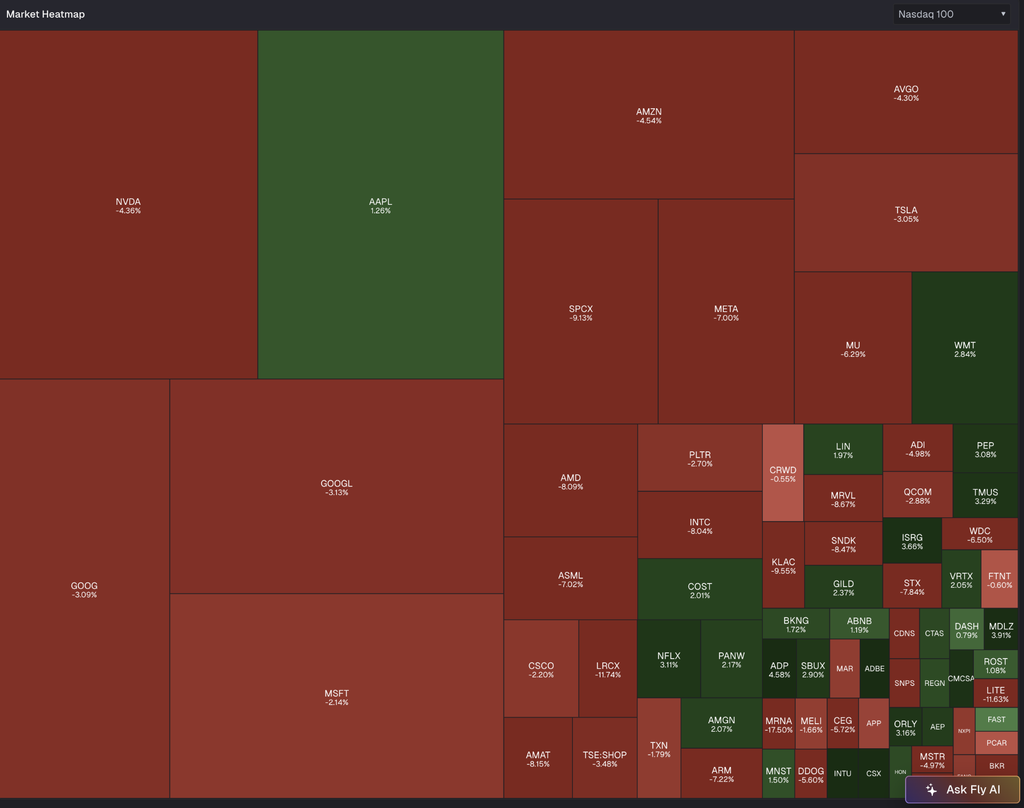
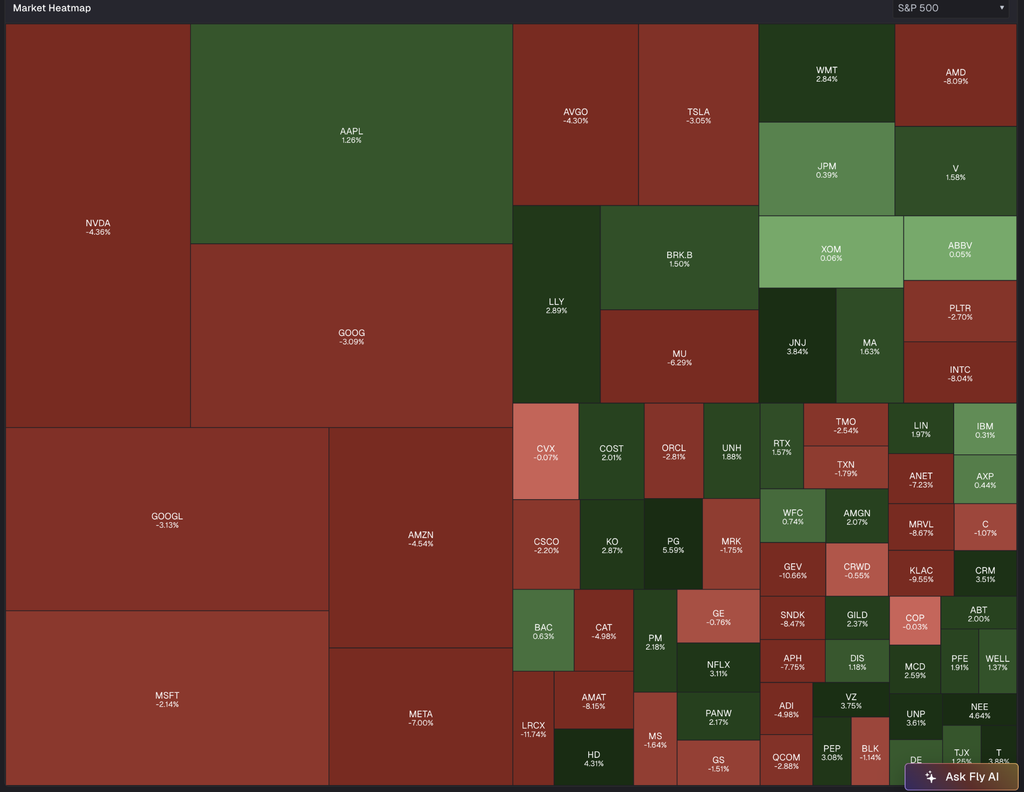
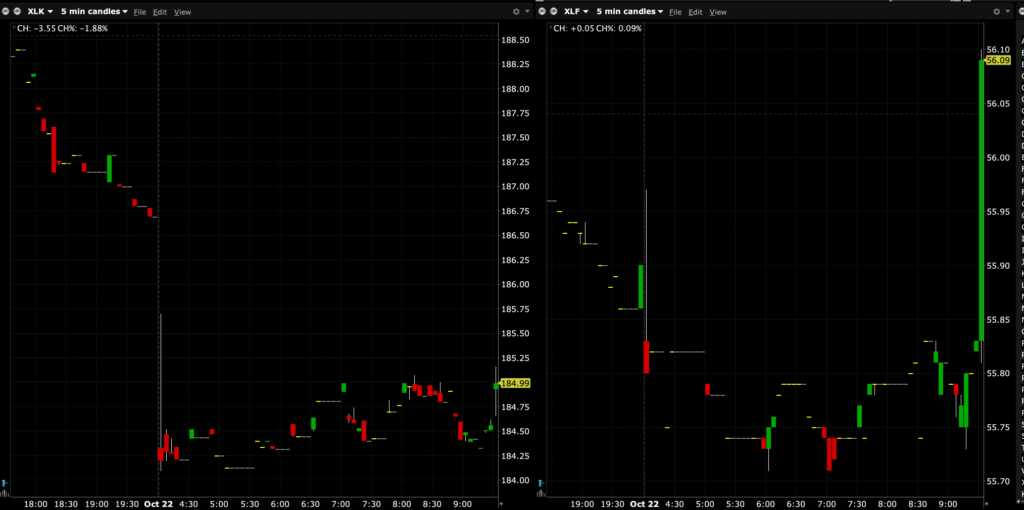
Today’s market is different than some of the past sharp drawdowns in the last 12-18 months.
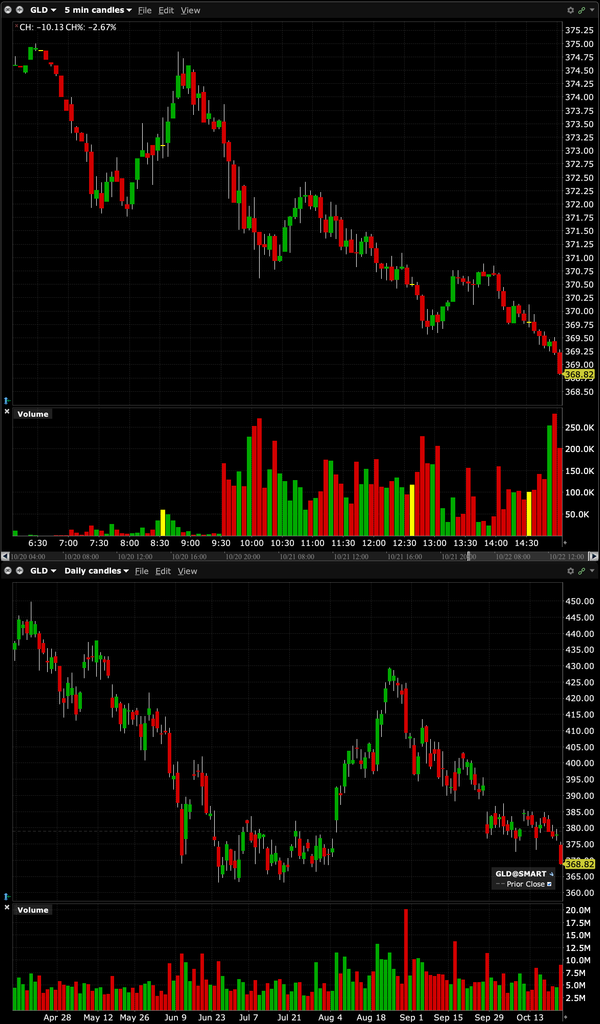
* The drop is broad and deep — with other asset classes like gold and bitcoin joining the downside.
* There is no single catalyst like Leopold (Situational Awareness hedge fund liquidation) to blame on the market’s selloff.
* The weakness in financials over the last several months is now accelerating, with no respite whatsever.
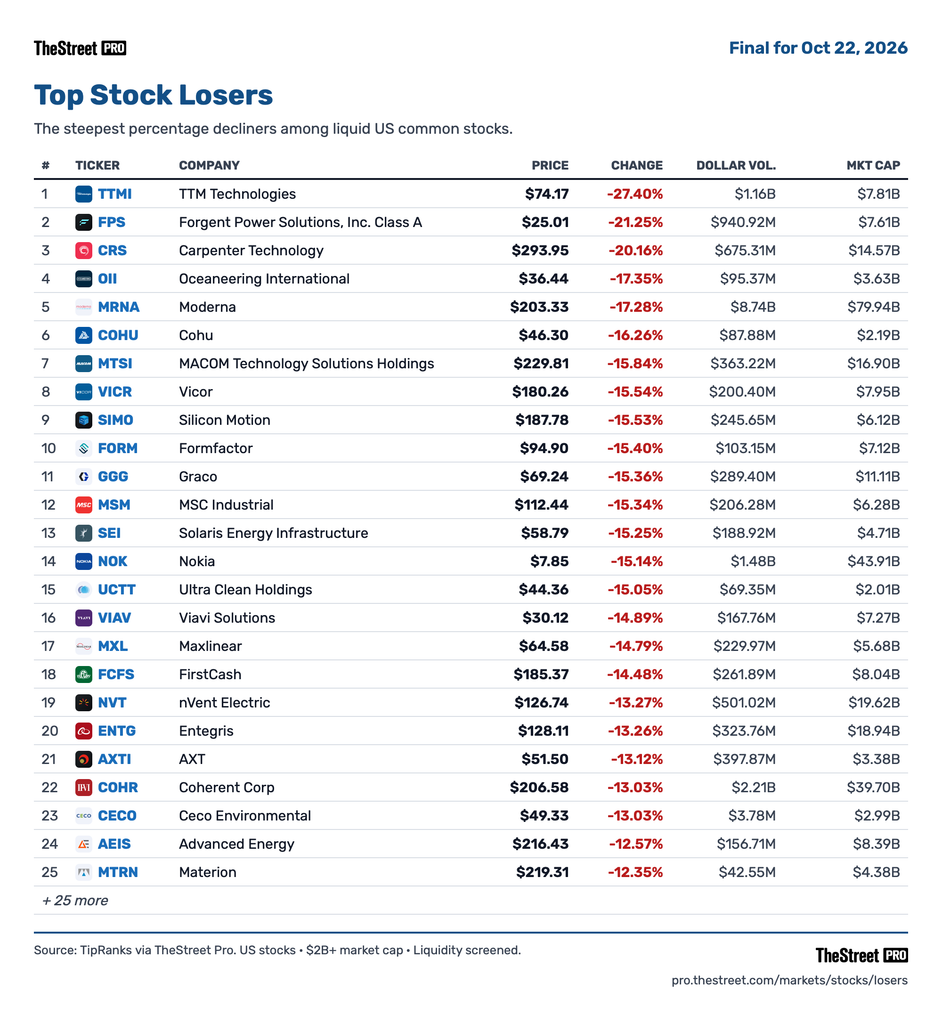
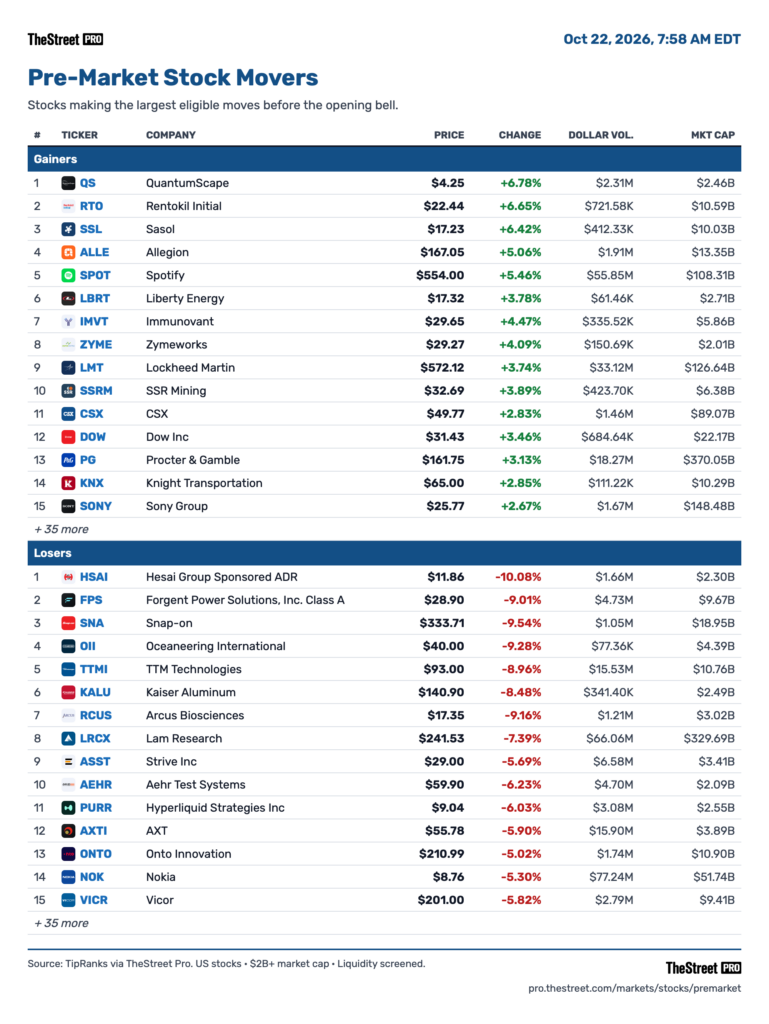
* The decline in over stretched stocks is breathtaking — especially the over conceptualized AI stocks on the periphery (e.g. GEV -$105 to $820). Look at the breakdown in CAT’s chart (-$45 and down from $950 to $695 in a straight line).
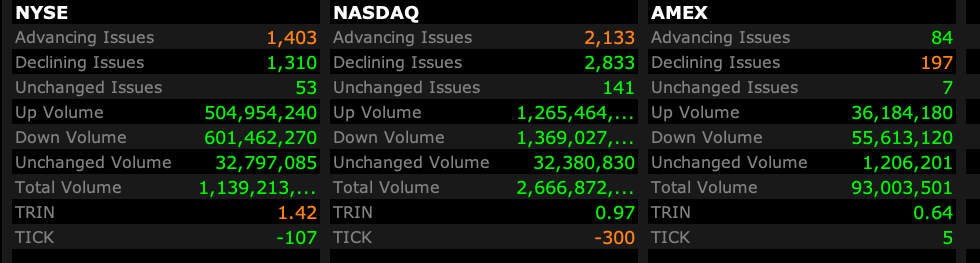
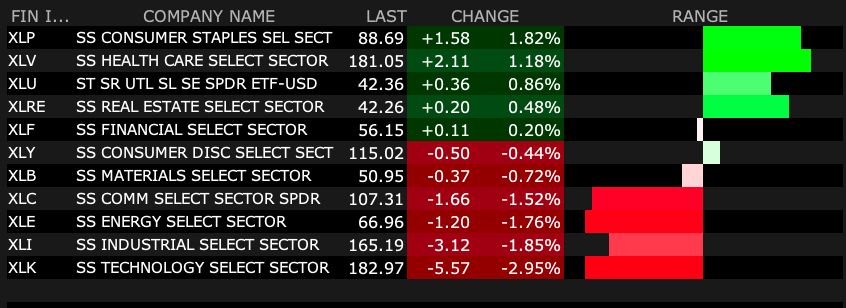
* We are witnessing a classical (but violent) rotation. See the remarkable strength in staples and healthcare.
* A sign of flight to quality/safety seen in a pronounced rise in bond prices (and in lower bond yields). (TLT +$1.20 today)
More Tales From Nvidia: AI Is Still A Loss Leader (Issue #264!)
Well, per my More Tales from September (below on META), it is amazing people could not see this coming.
It should have been obvious.
Quite the change from the numbers first reported and the big up move in the after hours, to what it is happening now after people had a chance to figure out what has happened with the balance sheet (and what might be off balance sheet) and cash flows.
Both gutted. Meta and Muse.
Cash flow negative.
This is what AI is, it is currently just a giant black hole.
It is money spent, with hope, but not purpose. It is digging holes, and filling them back up. And it is a money recycling machine on so many levels, including with all the venture-funded garbage startups that have no reason to exist, but effectively just funnel money back up the food chain in a giant money recycling operation and attempt at a self-fulfilling prophecy. Unreal that 70%-80% of frontier lab revenue might be coming from this stuff. Think about the other consumption-related ripple effects, and the ramifications.
No doubt the memos will be going out soon from the VCs to the portfolio companies, and it is going to say “start cutting your burn rate.” Eventually there is not enough money, and not a greater fool to step in line to carry the burden. Even the VCs will realize that. Character AI was just the beginning.
At any rate, what should have been obvious about Meta/Muse should be obvious about everything else too. But somehow, it isn’t?
More Circularity
Per below on all the garbage VC startups driving token spend, while corporate America with actual self financing businesses that can exist and spend of their own volition, is not because they realize AI is just an expense, here is some more data – Article, Chart, Torsten Slock Apollo:
Chart: In fact, adjusted for shifts in utilization rates, total factor productivity growth was zero in Q2. Said otherwise, there has been zero productivity boost from AI! In other words, paying to dig holes, and fill them back up, brought to you by the Venture Communities own circular reality.
So far, AI has not produced an economy-wide acceleration in productivity growth. Adjusted for shifts in utilization rates, total factor productivity growth was zero in Q2. pic.twitter.com/QdaaMH6yBI
— Peter Berezin (@PeterBerezinBCA)
Back to META, using the AOL gamebook of attracting eyeballs by offering a product for free…. I am not taking a “victory lap” but investors are finally realizing what I identified last month:
More Tales From Nvidia: I’m Not Trying to Call the Stocks But Consider That Muse Was Offered for Free! (Issue #253)
“Musepersonal AI agent is free to use with a generous weekly usage limit (such as up to 100 million tokens per week), though paid subscription tiers are available if you need higher usage capacity.”
– From AI
Does Anyone Do Their Homework Anymore?
Not that I am or have been trying to call the stocks, because that is a fool’s errand these days, especially in these types of mania-driven markets. But it is fun to occasionally comment on the markets relative to the underlying fundamentals and business issues.
Monday and Tuesday were a combination of a gamma squeeze aided and abetted by Facebook’s Muse announcement.
For those that don’t know, Muse is Facebook’s personal assistant app, a theoretical AI agent, that made it to the top of the app stores download list, helping to inspire the gamma squeeze rip of the last two days.
Why did it make it to the top of the list?Because it is both new and FREE! (I don’t recall a single person in the business media saying this!)
Hundreds of billions of investment, and this is what they have to show for it? A free, largely non-differentiated personal assistant app that Amazon (AMZN) has already cut off from shopping its site? And an app, that after the novelty factor wears off, will probably not be used all that much and likely never generate any economics, because it is free and of limited real utility and effectiveness. Guess what, people actually like shopping themselves, that is why they do it!
Heck, even Angry Birds costs money (and generates economics).
My guess, this thing goes the way of the Metaverse and Threads.
If any thing speaks volumes about AI, not sure if it is this, or it is OpenAI spending $22.5 million of compute to win a $1 million prize and needing to cheat along the way to even do that!
Coincidentally per prior on Muse, I just saw these.
The reference to Amazon is their theoretical no human convenience stores where AI was supposed to figure out everything you put in your basket. Turns out they had humans in India watching people on cameras. End of day, none of it ended up working, it lost too much money, and they shut all the stores anyway. Same for McDonald’s (MCD) automated AI ordering system, where “no onions” seemed problematic for the AI to get right. I guess I was too optimistic, hundreds of billions of investment, and Meta (META) still needs the humans too, because the AI still does not work.
Trillions of dollars of market cap added across the board due to this? And PS, Meta already paid for the junk they have in place to do this. They would have been better off buying offshore call centers for pennies on the dollar. Incidentally, that is one more thing AI was supposed to replace, but the opposite is happening, because it turns out Gen AI is multiples more expensive than cheap offshore labor.
🦔404 Media reports that Meta's AI agent Muse, which executives promoted last week as able to make phone calls to businesses on your behalf, is routing some of those calls to human beings in call centers. Internal communications show Meta told employees it "added a human agent…
I am no longer dwelling on the BS from panelists on the shows.
But as I have warned when the tide goes out you will realize the absence of analytical rigor and process.
The panelists, you will also realize, will not revisit their losers.
They will never timestamp because viewers would realize the “jig is up.”
Panelists want to seem/look smart – they want to polish their images as they are asset gatherers or are selling a service.
But look at the shares of homebuilders, RDDT, SHAK, BABA, TTAN, GEV, UBER, NFLX and the many others that were confidently recommended by the panelists of floor traders, veterans of Long Island Boiler Room brokerages, phony technical analysts (who don’t even know what a fractal is or who Mandlebrot was!).
I have highlighted their BS as an advocate of the retail viewer who all generally think being a regular panelist on CNBC means alot.
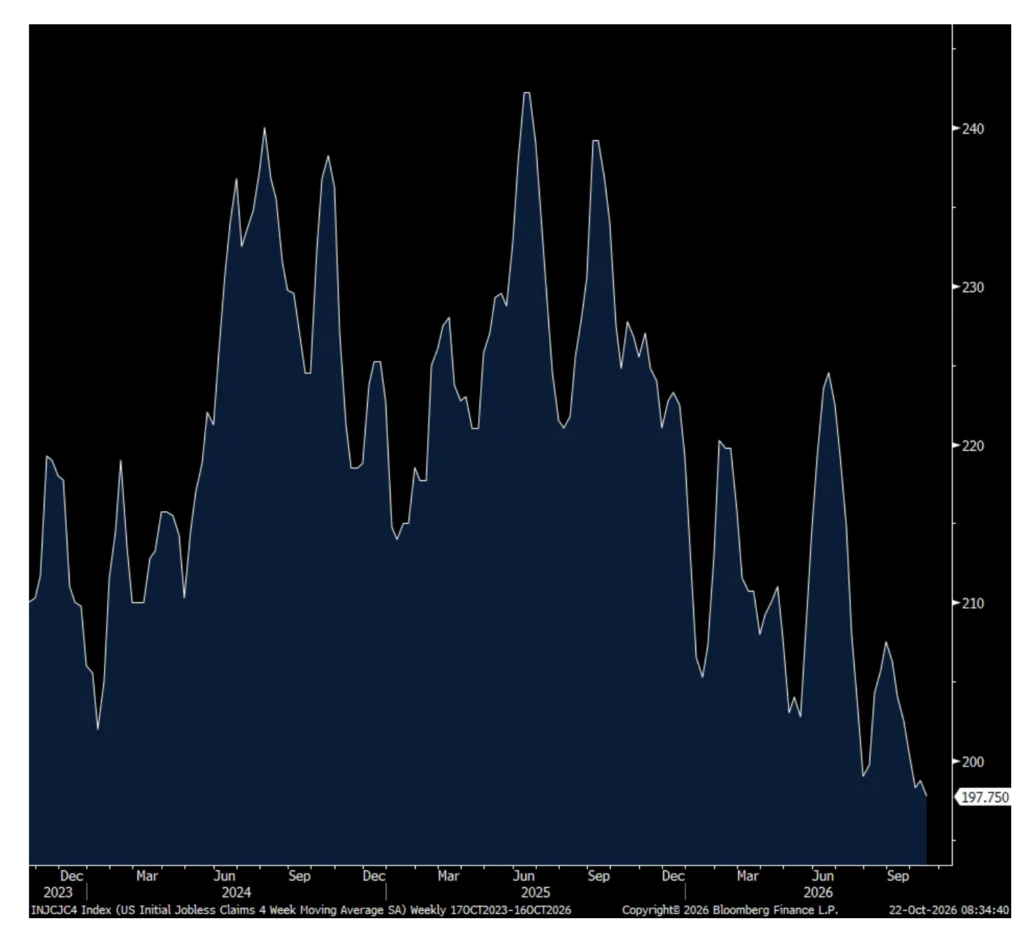
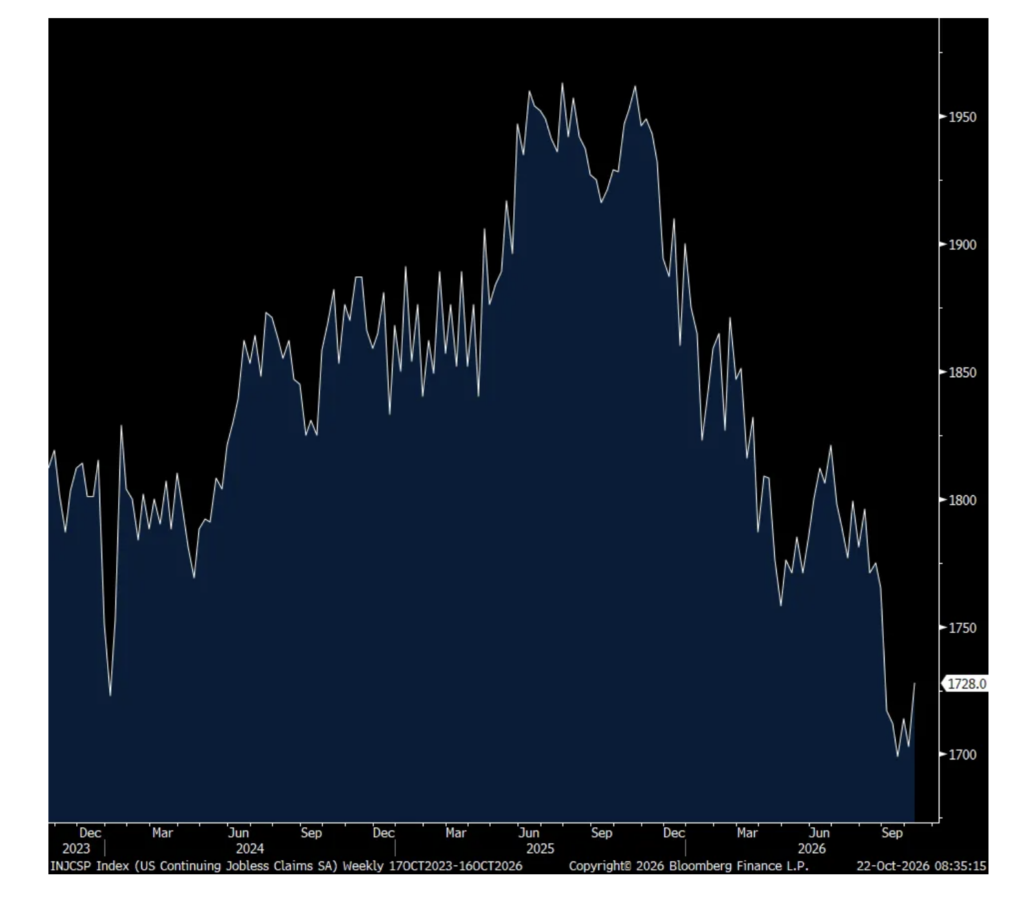
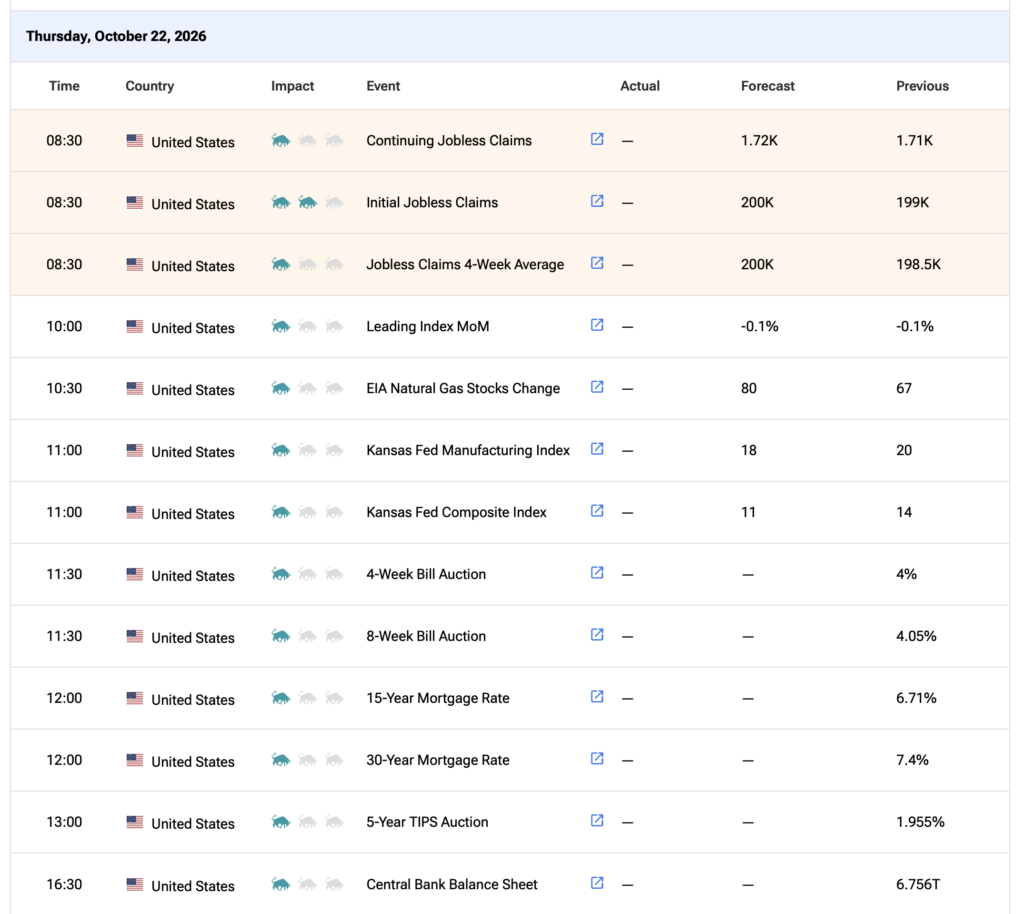
Initial jobless claims fell to 194k from 200k last week and that was 6k below expectations. It lowered the 4 week average to 198k from 199k. Delayed by a week, continuing claims rose to 1.728mm from 1.703mm but remains well below the above 1.9mm we saw last year.
The bottom line remains the same it’s been most of the year with the modest pace of firing’s as measured here at the same time 5 figure gains in jobs is the new normal vs the historical gains of 6 figures in a normal economic expansion.
Boockvar Speaks on the ‘Pas Bon’ French Bonds, Earnings
The following is from Peter Boockvar:
Pas bon, ‘not good’ in French/What Meta said, along with other earnings comments
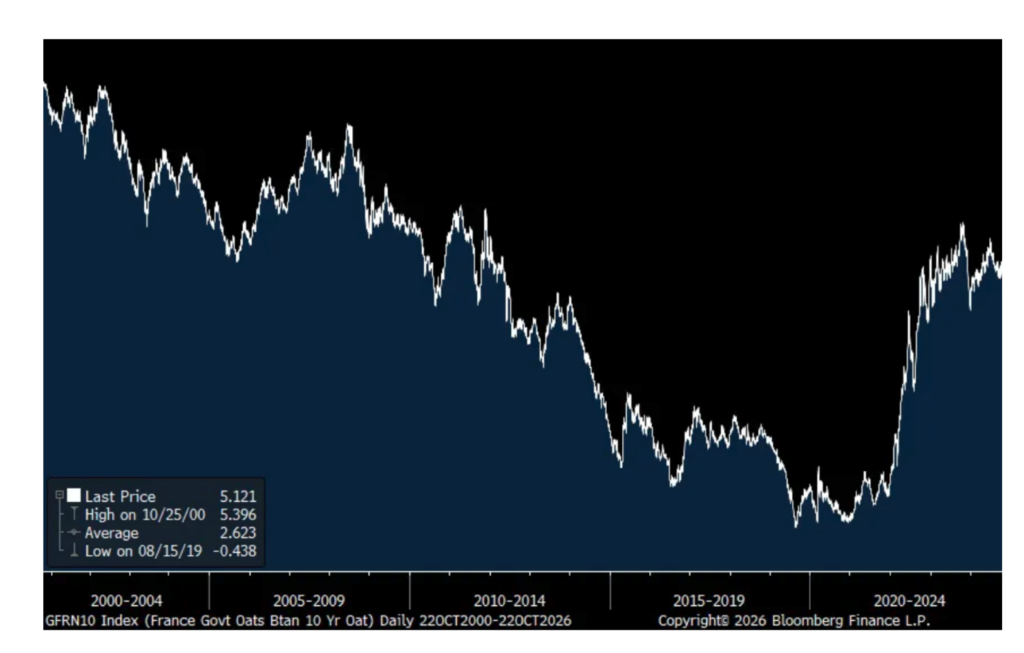
Before I get to a bunch of earnings calls, I do want to point out that French yields are jumping again with the 10 yr yield higher by 11 bps and by 32 bps this week alone. German bunds and US Treasuries are the flight to safety trade in the face of this, for now. I continue to believe that at least in the short term, yields in the US have seen a temporary peak.
French 10 yr Yield
Carrefour stock by the way got hit by 14% yesterday as they revealed the extent of the loss of business they’ve experienced in France with all the riots and theft. They said:
“Thousands of stores across France were attacked, products robbed, and for some stores, equipment was destroyed…Around 50 of our stores were hit on day one. Many were looted, and the damage is considerable.”
Also, “The direct costs are only part of the impact. Stores that were not physically damaged are also affected. Lower customer footfall in many areas, shorter opening hours because of curfews, precautionary closures, and access difficulties are disrupting trading. This is continuing in some areas at the beginning of this week.”
“Going forward, we will have to increase our operating costs, notably in areas such as security and specific logistics for damaged stores.”
Staying in France, and I don’t believe the survey period included last weekend’s violence, French business confidence in October rose 1 pt after falling by 2 last week. The manufacturing recovery led the way as we know it is global. The rest of the picture was mixed as services rose 1 pt but retail, employment and building construction confidence all fell.
To the global recovery in manufacturing, the October UK CBI industrial orders index rose 9 pts m/o/m and CBI said “There are growing signs of stabilization for manufacturers, with firms expecting a prolonged period of falling output to come to an end in the coming months and anticipating their first increase in headcount in two years.”
The caveat though, “orders are still falling and labor shortages picking up, significant challenges remain. Stubbornly high costs are also squeezing profitability, while deteriorating competitiveness and fragile business confidence continue to weigh on investment decisions.”
While Meta basically maintained its CapEx forecast by narrowing the expected range to $135b-$145b from $130b-$145b previously, it seemed like it was this comment from the CFO on the call that turned the tide for the stock and the broader S&P futures. Susan Li said of note:
“Muse’s compute intensity means that expanding its user base will require significant investment, and we expect total serving costs to rise.”
And, “Looking beyond 2026, we are still developing our budget and capacity plans for next year, but we expect to continue investing aggressively to support both our core business and emerging AI initiatives.”
Otherwise, Meta seemed to have a solid quarter with an incredible 26% revenue growth rate on top of such a large base. And “The global average price per ad increased 14% y/o/y, driven by ad performance gains and improvements in macro conditions relative to Q3 of last year.”
Zuckerberg said “we are seeing all-time highs in engagement on both Facebook and Instagram, driven by strong growth in video. Threads has now overtaken X in monthly actives and continues to grow quickly. WhatsApp is hitting all-time highs in messaging and is becoming an increasingly important platform for agents as well.”
With Muse, “In just a month and a half, more than 10 million people in the US and Canada have set up Muse personal agents. Growth continues to be strong, and we have been number one in the App Store almost every day…Beyond shopping, the most common connectors are for personal productivity and connecting Muse to your other services like email and calendar.”
The issue, back to the first point, is the huge level of spend that resulted in negative free cash flow of $2.1 billion.
On the other hand, Tesla is down because people seem disappointed that they are cutting its CapEx guide this year to $20b from $25b “as a result of managing our capital deployment efficiently and plan to fund it primarily from our cash flows from operations. Additionally, during the quarter, we secured capacity to borrow up to $30 billion to support the expected growth in CapEx.”
Spending though will still rise in the coming years “as we add more Robotaxi fleet, we expand our production capacity for Optimus, install manufacturing capacity for solar, purchase additional SI (Super Intelligence) compute infrastructure, and build a semiconductor fab.”
In the more pedestrian business of flying people around on a plane rather than a car, this was from United Airlines where we know travel remains a priority of consumer spend, notwithstanding the rising prices:
“I’ve been pleasantly surprised at the industry’s ability this year to raise yields and pass through much of the increase in fuel prices…Consumers and businesses have been accepting price increases, which we believe is a result of fares lagging the rest of inflation, along with other aspects of travel costs, for many years.”
“I think it’s important to note that while pricing has gone up a lot this year, it is still down in real terms compared to 2019. So we are bouncing still off a Covid low. And air travel remains a great value.” So I guess, we’ll be paying even higher prices in the quarters to come.
Premium cabin was strong but also “it was nice to see standard economy cabin RASMs up.” Business revenue rose 22% and contracted business revenues were up by 26%. Leisure revenue was higher by 16%, “with stronger y/o/y yield gains than business traffic.”
Of note, “Leisure load factor fell modestly by 1.3 points, which we view a small amount of elasticity given higher ticket prices, a trade we would make every day.”
With container ocean shipping prices having risen sharply, cargo revenues rose 23% y/o/y.
Higher fuel prices added $1.8b to expenses y/o/y and they “recaptured 72% of the increase” and expect that to rise to 100%.
Back to the high tech stuff, this was from Texas Instruments, little changed pre-market:
“During the quarter we saw broad demand, with revenue growth across all end markets and regions. Secular growth of semiconductor content is continuing alongside a strong cyclical recovery.”
Their three main markets are industrial, automotive and data center and “we are seeing the broadening of the demand across” these sectors. Not surprisingly, “The data center market, it’s a market that we see strong secular growth. I don’t think it’s influenced by seasonality. The demand continues to be strong and growing.”
With industrial, they are seeing particular strength in “aerospace & defense, energy infrastructure, test & measurement, the robotics sector.”
“We also saw the automotive customers waking up, if you will, with higher demand in Q3, and I think that may continue into Q4.”
Overall volume was good “but we also did have some benefit from pricing, loadings and some product and end market mix.”
On the consumer, Winnebago stock jumped 11% yesterday even though business is still tough for this higher ticket segment and said this of note on their call:
“consumer interest in the RV and boating lifestyle remains healthy with continued engagement across shows, digital channels, campgrounds, marinas and the used market. At the same time, affordability pressures, elevated financing costs and broader macroeconomic uncertainty continue to weigh on consumers and delay the conversion of that interest into new product purchases.”
“That caution is also reflected in dealer ordering, with dealers continuing to manage inventory carefully.”
Looking to the next fiscal year, “Our outlook does not assume a broad recovery in RV or marine retail demand.” They believe more in their self help on product, market share, costs and other efficiencies.
Anthropic's IPO filing is a study in AI economics.
The maker of Claude booked about $15 billion in revenue in the first half of 2026, triple a year earlier. Its founders are paid modestly by big-tech standards: CEO Dario Amodei earned roughly $18 million in 2025, below the… pic.twitter.com/SSz5MpYP0W
Meta's Reality Labs unit lost another $4.1 billion in Q3, bringing its cumulative losses since 2020 up to $92 billion. We've never seen a public company light money on fire to this extent. METApic.twitter.com/tHfbleUuyV
This morning’s stock futures are getting pounded. The S&P futures are -75 handles and the Nasdaq is -490 handles.
Yesterday I wrote about something that I find disturbing — continued and frequent hubris on the part of commentators, panelists and guests in the business media. I suppose if you say stuff confidently viewers may view talking heads as knowledgeable (We all know that confidence and investment successes are not equivalents!).
To me, presenting overconfidence in delivery is worse than being wrong. It creates a false sense of security and is a disingenuous character trait as it relates to a market that has an unprecedented range of outcomes (some of them being adverse).
Let me start by saying that I am quite fond of Joe Terranova. On Wednesday I wrote about this as it relates to Joe’s confident presentation and view (“talking his book”) that large-cap tech is resuming its momentum.
As for me, I am often wrong and always in doubt.
From yesterday:
My Comment of the Day
Dougie Kass
I couldn’t disagree more with Joe Terranova on Halftime now (I am not posting on Twitter!).
Though I am not high on large cap tech my disagreement is not that I don’t think AI related stocks will begin to outperform.
It is the degree of confidence/hubris that he is expressing in his view that the AI momentum trade will resume.
Meta needs to raise hundreds of billions of dollars over the next “several years” starting “as soon as fall 2026” and that the company can sell $700 billion in equity before Zuck loses control https://t.co/CU54qjUFHGpic.twitter.com/jmqbcxi9pp
Chief Administrative Law Judge Derek Julius’ cannabis decision was a singular victory for the industry (and rescheduling).
Here are some examples of responses from some learned cannabis observers:
MSOS What is not being talked about enough is the following reply from ALJ Derek Julius after his receipt from the DEA and now directly to the opponents!
TICK TOCK! – they have essentially until the end of today October 21st to respond!
MSOS Based on this, the 7-to-14 day delay threat Is dead, all filings are in the judge's hands, and the order closing the record is imminent IMHO pic.twitter.com/YJHv9PGmSL
— Ryan Jensen (@its_ryan_jensen)
"The judge limited the response to five pages and required it to be submitted that same day… Julius said he was allowing the additional filing “in the interest of fairness and due process,” but emphasized that the timeframe would be expedited “to avoid further delay.”" https://t.co/hkPTuxKSwK
The S&P Short Range Oscillator shifted back into an overbought state at 1.56% vs. -0.09%.
Note that with S&P futures -84 handles (6:01 AM) I have covered my medium-sized SPY short at $764.96 for a quick and sizeable profit from yesterday afternoon and last night.
I plan to reshort on any rally.
From last night:
Double Down
I double downed on my SPY short at $772.97 after the close and upon closer analysis of the Tesla (TSLA) and Meta (META) releases.
$MSOS What is not being talked about enough is the following reply from ALJ Derek Julius after his receipt from the DEA and now directly to the opponents!
TICK TOCK! - they have essentially until the end of today October 21st to respond!
" The Moving Parties now seekShow more
$MSOS Our dream scenario here is that the ALJ judge issues his positive recommendation, which gives the White House the certainty it needs to announce the descheduling commission... all in the next week and a half before the midterms
🗞️ HEADLINE: DEA Judge Denies Marijuana Rescheduling Opponents’ Request To Reopen Hearing For More Testimony, But Allows New Briefs
🔥-TAKE:
Opponents got a short delay for limited briefs on a GAO process critique, but the judge shut down their bid for more testimony andShow more
This is the direct opposite of what I’ve heard from people who were there lol
P Equity Research 📰
@pequityresearch
Brad Gerstner (@altcap) on Anthropic:
"I was at the investor day in San Francisco last week...there was a lot of energy that day. I would say the sentiment coming out of that room was a 10 out 10. What we heard were incredible things, we saw what was in the product pipeline, the
"The judge limited the response to five pages and required it to be submitted that same day... Julius said he was allowing the additional filing “in the interest of fairness and due process,” but emphasized that the timeframe would be expedited “to avoid further delay.”"
Anthony Martinelli
@AMartinelliWA
Today, rescheduling opponents filed a response to the DEA after Judge Julius gave them just hours to reply rather than the week or two allowed in earlier rounds. Julius must now decide whether to reopen the hearing or move toward a final recommendation. themarijuanaherald.com/2026/10/mariju…
So far, AI has not produced an economy-wide acceleration in productivity growth. Adjusted for shifts in utilization rates, total factor productivity growth was zero in Q2.
So far, AI has not produced an economy-wide acceleration in productivity growth. Adjusted for shifts in utilization rates, total factor productivity growth was zero in Q2.
Meta needs to raise hundreds of billions of dollars over the next “several years” starting “as soon as fall 2026” and that the company can sell $700 billion in equity before Zuck loses control
PAA Research
@ActAccordingly
If you're buying $META here after hours and you're not sure if you're exit liquidity, take a look at this from the share class filing:
" Representatives of Moelis also noted that the Company had not yet provided its long-range plan for the Moelis and Special Committee Counsel
Meta's Reality Labs unit lost another $4.1 billion in Q3, bringing its cumulative losses since 2020 up to $92 billion. We've never seen a public company light money on fire to this extent. $META
Judge Julius is allowing final briefs on the GAO report, but by rejecting opponents' proposal to reopen the hearing, he is effectively moving the proceedings toward a close. His final recommendation is the last major step before the matter moves into the hands of Terrance Cole.
Anthropic's IPO filing is a study in AI economics.
The maker of Claude booked about $15 billion in revenue in the first half of 2026, triple a year earlier. Its founders are paid modestly by big-tech standards: CEO Dario Amodei earned roughly $18 million in 2025, below theShow more
🦔404 Media reports that Meta's AI agent Muse, which executives promoted last week as able to make phone calls to businesses on your behalf, is routing some of those calls to human beings in call centers. Internal communications show Meta told employees it "added a human agentShow more
DEA: “the opponents are on a fishing expedition”
I was not familiar with your swagger DEA. $MSOS
Marijuana Moment
@MarijuanaMoment
DEA Opposes Marijuana Rescheduling Opponents' Request For New Testimony And Document Discovery In Ongoing Hearing: The latest filing argues opponents are seeking permission for an "obvious fishing expedition based on a Report that is clear on its face."
marijuanamoment.net/dea-opposes-ma…