Here’s Why I Just Closed My Tesla Position
Asking hard questions led to a difficult decision.
You've reached your free article limit
You've read 0 of 1 free Pro articles.
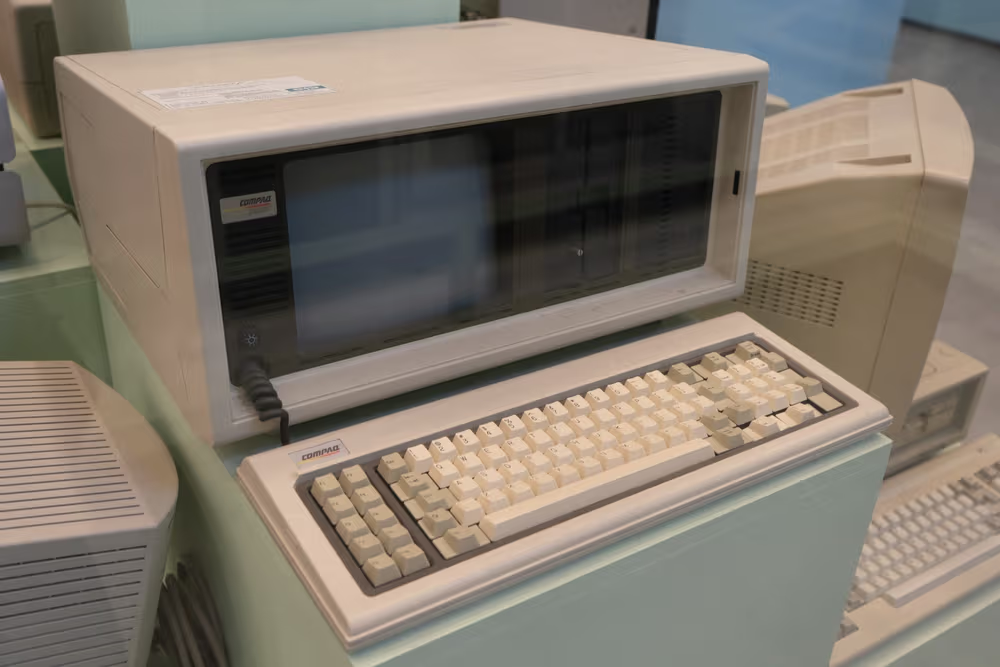
Not long after its 2014 IPO, GoPro (GPRO) traded at $98. A maker of high-quality digital cameras, GoPro quickly reached a market cap of $11 billion.
Then came a horde of cheap imitators. This was followed by the smartphone revolution. Suddenly, everyone had a high-quality camera at their disposal.
Today GoPro stock is worth less than $1.
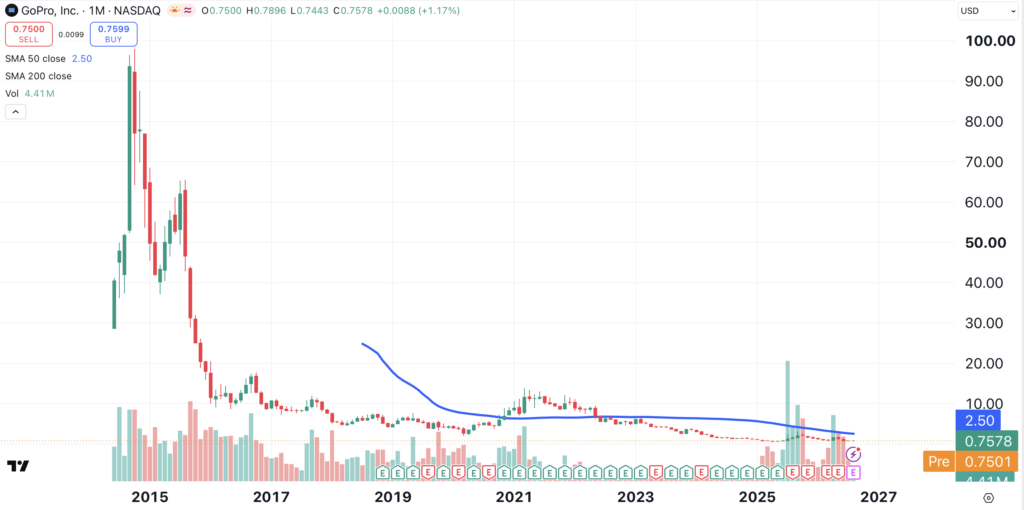
There was a time when consumers would pay a premium for a Compaq computer. The brand stood for affordable quality.
By the end of the 1990s, Compaq’s products were indistinguishable from its competitors, thanks to a flood of inexpensive imitators. The stock fell from $49 to $12, and Compaq was acquired by Hewlett Packard.
Will a similar form of commoditization affect AI-focused stocks?
‘Death Zone‘
From Bloomberg, Aug. 3, 2026:
A flurry of model launches from China’s AI sector is rapidly narrowing the gap with Silicon Valley, creating a death zone for anyone without frontier-pushing technology or market-breaking pricing.
Earlier this week, we discussed how rising Treasury yields could pull the rug from under this market.
AI-focused companies face a different kind of threat: commoditization.
We are seeing the real-time devaluation of AI models. The release of open-source AI models, especially from China, threatens to deflate the value of AI models across the board.
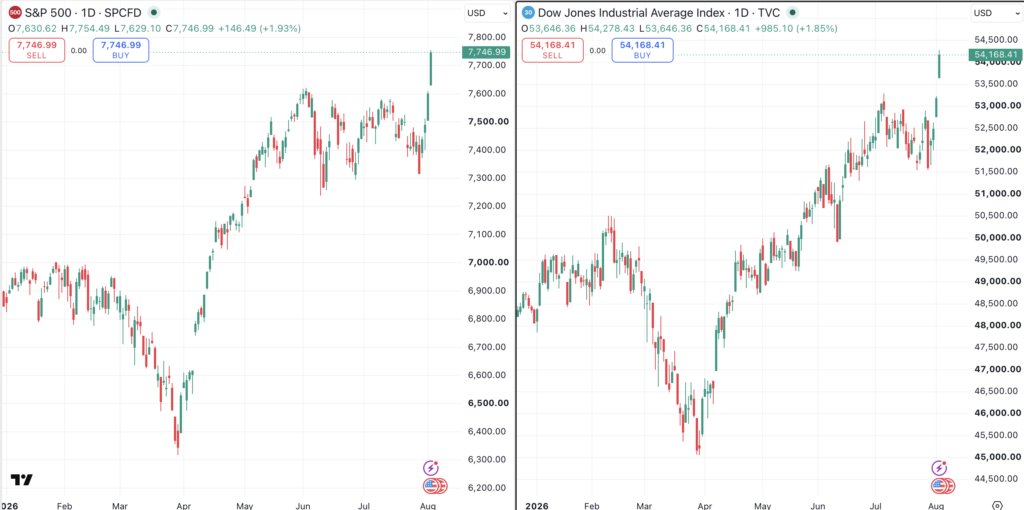
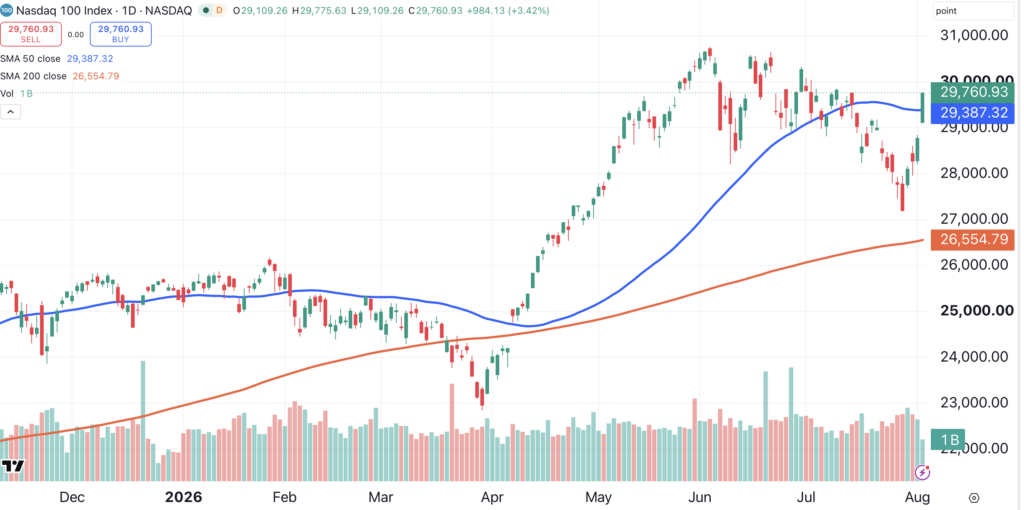
AI stocks were rocked last week. Even now, the Nasdaq 100 hasn’t bounced nearly as convincingly as the other major indexes. The S&P 500 (left chart) and the Dow Jones Industrial Average (right chart) reached fresh all-time highs on Tuesday.
Meanwhile, the tech-heavy Nasdaq 100 is still trading well below its recent highs.
What About Tesla?
We’ve recently liquidated several positions in AI infrastructure, and trimmed several others. Until now, we’ve left Tesla (TSLA) untouched, but we’re concerned about any company that is spending heavily on AI.
After its recent earnings report, Tesla announced that it would spend a projected $25 billion in capex in fiscal year 2026. For perspective, that $25 billion figure is nearly triple the amount Tesla spent on capex in fiscal 2025.
To be fair, not all of that capital will be allocated to AI, as robotics and manufacturing expansion will also play a role. According to CFO Vaibhav Taneja, Tesla’s free cash flow is expected to turn negative this year.
Asking Tough Questions
Last June, we bought shares of Tesla at $285. In July, we added to that position at $317.
Recently, we added to our Tesla long position at $343. This gives us an average price of $315.
On Tuesday afternoon, with the price near $327, I took an objective look at the chart and asked myself this question:
“Is this a stock I’d buy right now?”
Take a look. Would you?
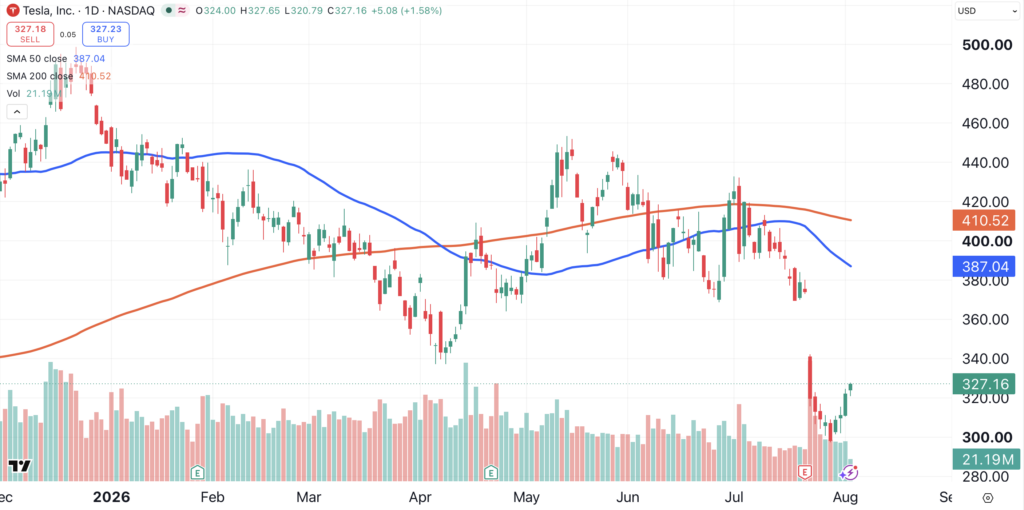
What I saw was a stock that recently reached a 52-week low, and was trading well below its 50-day (blue) and 200-day (red) moving averages.
Seeing a chance to further reduce exposure to AI, raise cash, and get out of the position at slightly better than breakeven, I hit the sell button.
Bottom Line
Do I still believe Tesla has tremendous potential? Yes.
Do I think I’ll be able to buy the stock again at lower levels? After looking at the chart, also yes.
It’s not that I don’t believe in Tesla’s future. It’s about believing what I see on the chart right now.
After decades in this business, I’m not emotionally attached to Tesla, or any other investment. Stocks are pieces of paper that were meant to be flipped for a profit, or held for long-term appreciation.
Today, we flipped one.
At the time of publication, Ponsi had no positions in any securities mentioned.