Mecum Auctions CEO: What a $450 Million Car Auction Says About the Economy
In this interview with Mecum Auctions’ CEO, we’ll dive into the market for collector cars to gain new insights that will help us as investors.
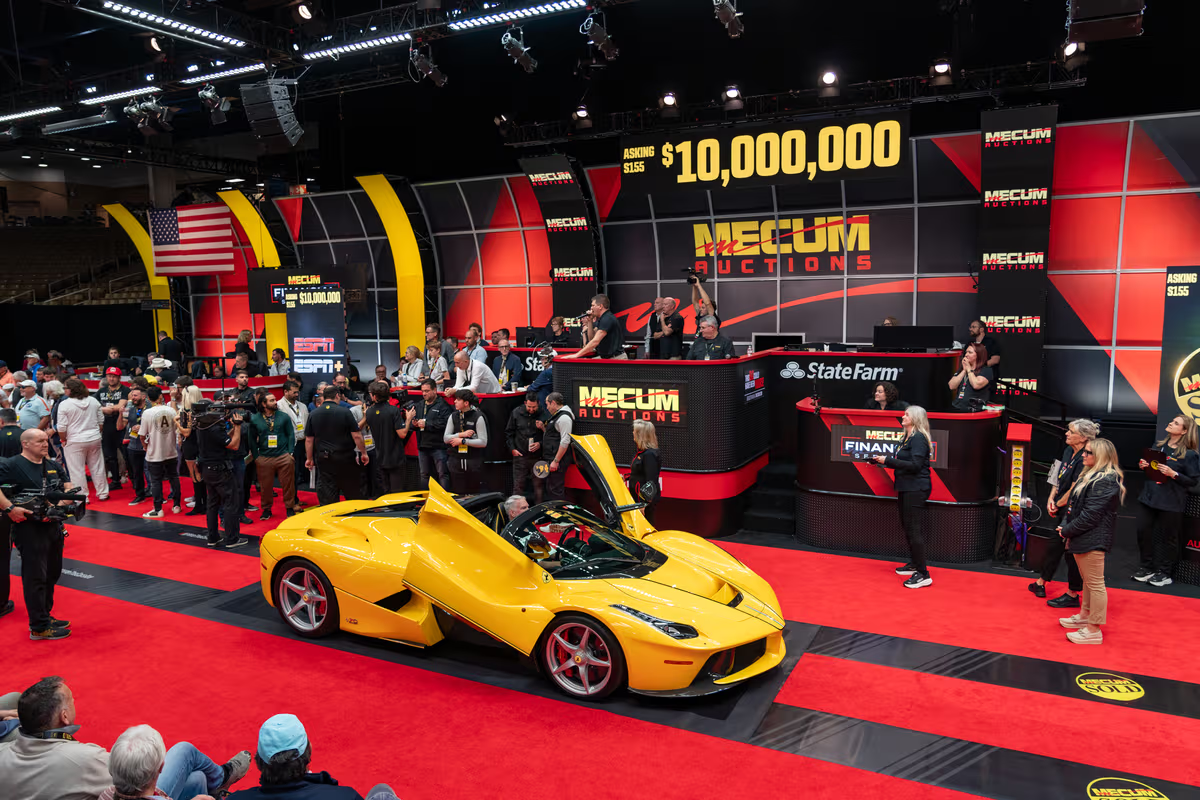
What can a car auction tell us about the economy?
In this new series, I’ll be talking to leaders in the collectibles space to better understand what their markets can tell those of us focused on the public equity markets. Think of it as alternative data. Plus, it’s a chance to have a little fun with the investing process and learn more from people on different sides of the business. After all, from collector cars to musical instruments and even Beanie Babies, prices are set by the forces of supply and demand.
A few takeaways from my conversation with Dave Magers, CEO of Mecum Auctions are:
- Competition from online auctions has been a boon to Mecum Auctions live events. A rising tide lifts all boats.
- If you view collectible cars as an investment, buy quality cars. There will always be a market for the best cars. Condition matters, but so does provenance.
- Economic and policy uncertainty kills markets. The tariffs put a hold on Mecum’s business, including its sponsors’, for nearly a year.
- Collectible cars are somewhat immune to normal macroeconomic fluctuations.
- Where to invest today? Well, you’ll have to listen in for Dave’s recommendations.
Here are just a few of the cars that either sold at the Kissimmee auction or will be for sale at the upcoming Monterey auction.
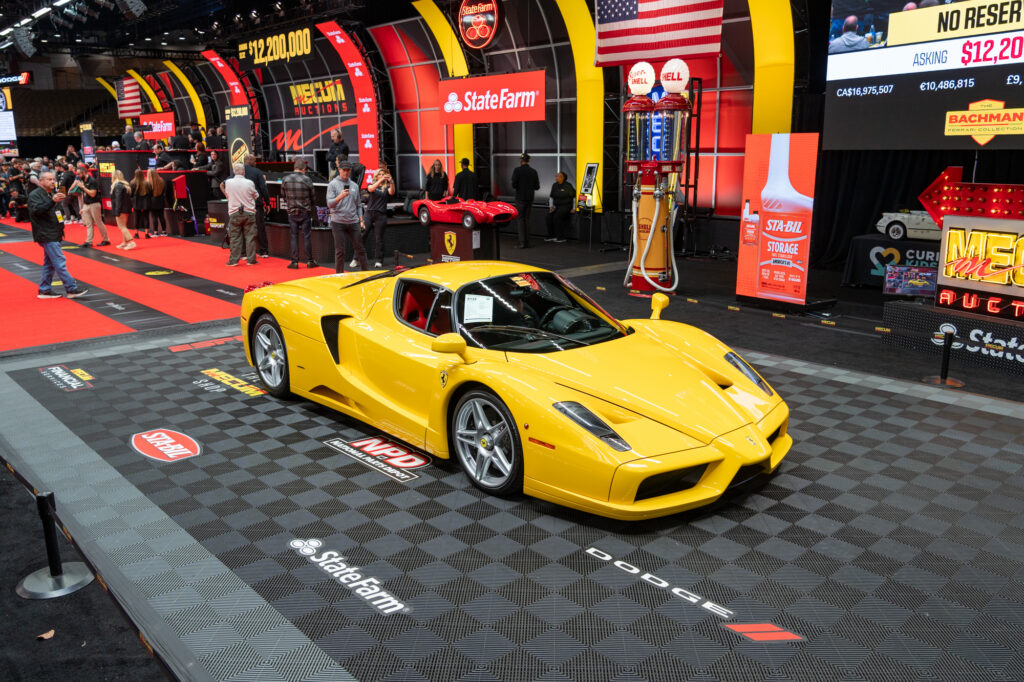
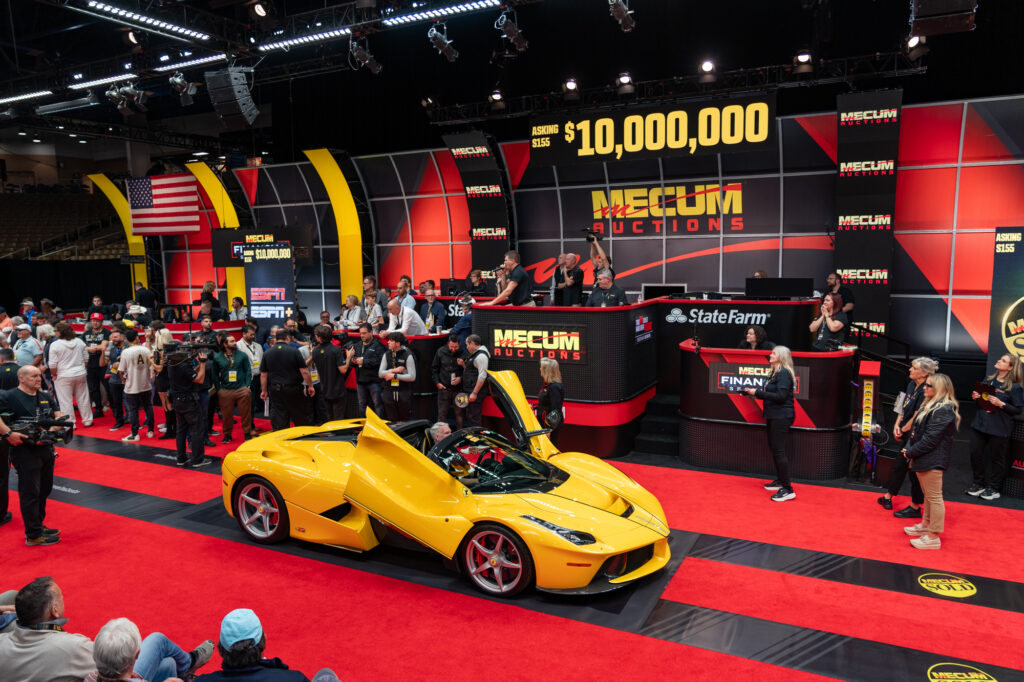
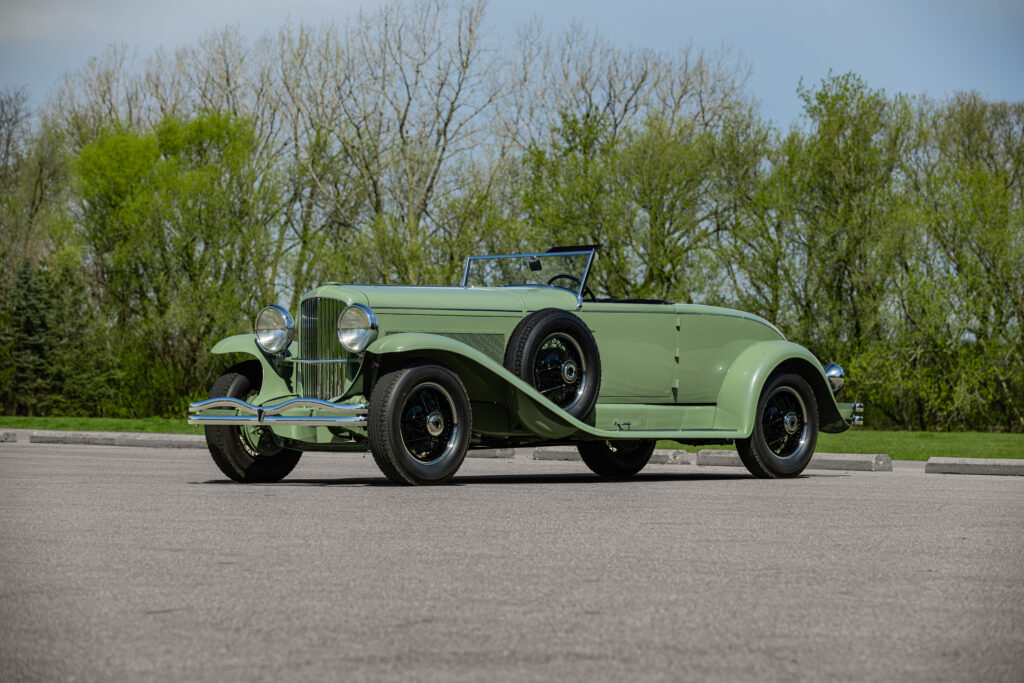
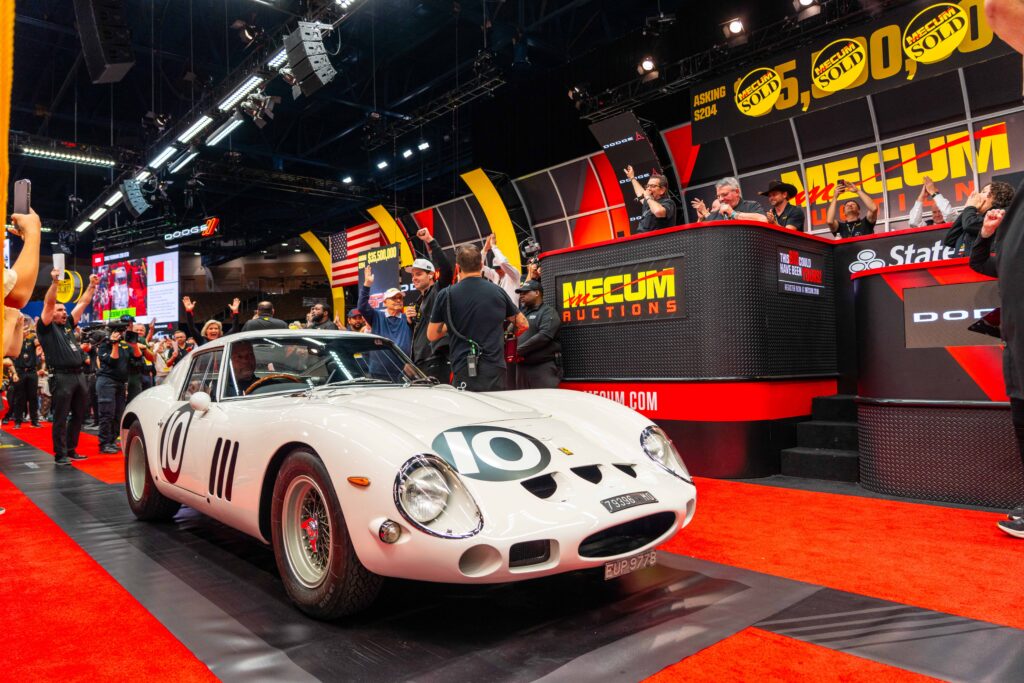
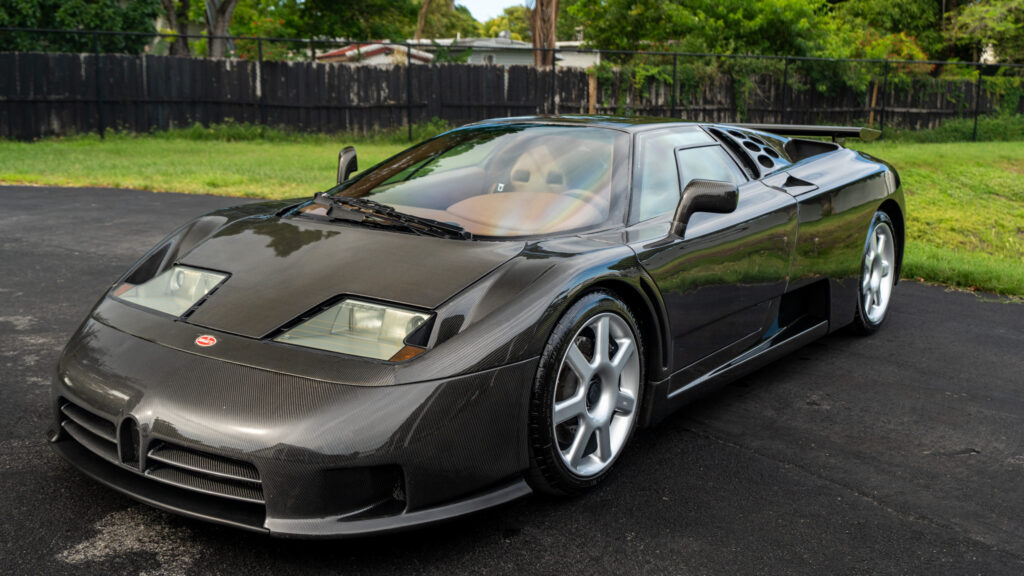
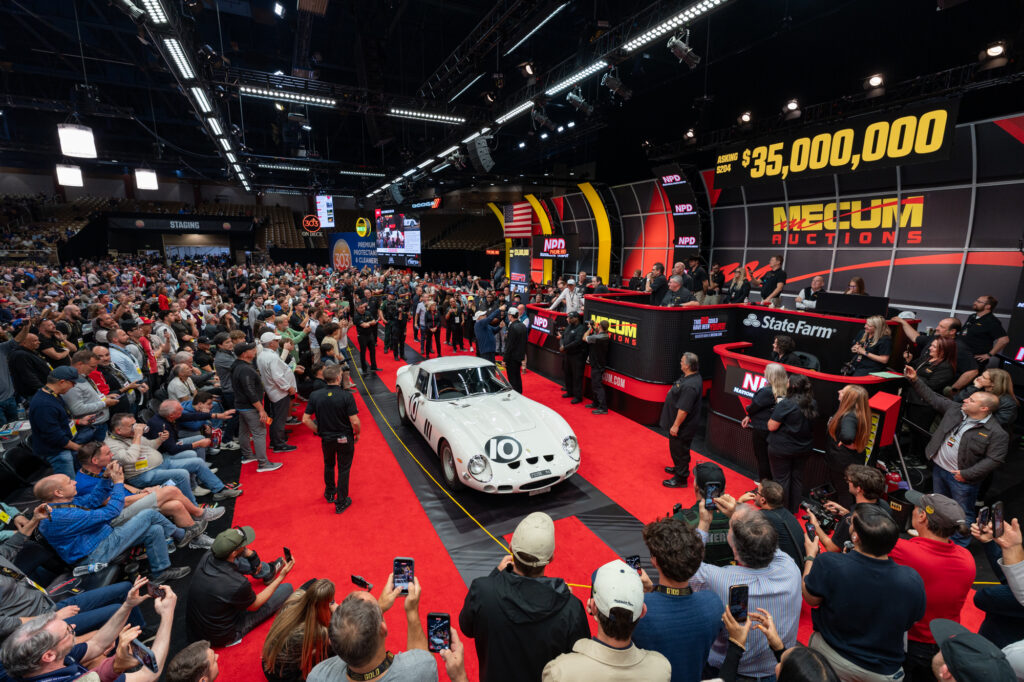
I hope you enjoy this conversation.
Video
Transcript
Jason Meshnick (00:00)
Hello and welcome to a new series on collectibles. At The Street Pro, we are always looking at alternative data sets and thinking of new ways to help our subscribers tackle the markets. Today we’re hoping to understand the market for collectibles. Where’s the demand coming from? What does it mean for the economy and for investors in the stock market? Most importantly, we’re wondering what lessons the market for classic cars has for investors. After all, every investment is based on supply and demand. So what’s going on in the collectible car market these days?
Today I am joined by Dave Magers of Mecum Auctions. So, by way of a brief introduction, Dave has served as the CEO of Mecum Auctions since 2013. He has always been a car guy and brings a wealth of valuable knowledge and experience into the Mecum mix with more than 40 years of experience in the business and financial sector. Dave is a CPA and has also been awarded for his work in philanthropy. So, just a few stats also for those of you who aren’t familiar with the industry.
So that you understand just how important Mecum is to the collectible market. Mecum is a family-owned business based out of Wisconsin that will celebrate its 40th year of operations in 2027. They produce 12 to 14 live auctions annually, including the world’s largest collector car and vintage motorcycle auctions. Huge numbers. I was kind of floored by this. The Kissimmee auction achieved $450 million in total sales, including a very rare.
250 GTO Ferrari valued at $38.5 million. And the Bachman Ferrari collection, I think this was the big surprise, that amassed $125 million in sales. We can talk about that one a little bit. Additionally, for those who can’t necessarily make it to an auction, you can watch Mecum auctions on ESPN Plus. They have 200 hours of live annual programming, which is just amazing.
Jason Meshnick (01:41)
And then the other thing is maybe a little known, Mecum is also a financial services company. They’ve written over $150 million in loans since 2019. And for any listeners who will be in in Monterey for Car Week, I urge you to visit Mecum’s auction there. It’s a really fun time, even for those who aren’t bidding. They do an amazing job and it’s it’s quite the spectacle. hi Dave and welcome to the Street Pro.
Dave Magers (02:04)
Good morning. Thank you for having me.
Jason Meshnick (02:06)
Awesome. So
Dave Magers (02:06)
Always a pleasure to have an opportunity to talk about cars.
Jason Meshnick (02:09)
Yeah, and I think we’re gonna have great conversation. I I I never miss an opportunity to talk about cars either. So great. So let’s talk about Mecum, let’s start there. what differentiates Mecum from competitors?
Dave Magers (02:19)
Well, we’ve always been a family owned company. And so we consider ourselves to be as much in the entertainment business for families as we are in the car auction business. So when you come to a Mecum Auction, it’s much more than just coming to buy or sell a car. It’s coming to enjoy the experience and see the spectacle that is Mecum. And then secondly, we consider ourselves as a collector car auction company for everybody. It’s not just for high end collectors. It’s not just for
serious collectors. If you are looking for that car you had in high school that’s $10,000 and maybe needs a little work on, we offer that. as you know, we also offer cars that sell for $30, $40 million as evidenced by the Kissimmee auction this past January.
Jason Meshnick (03:03)
Yeah, that’s great. We’ll we’ll get into some of the growth. I I think that’s impressive though that that you really do represent all levels of the market. whereas some some really focus. I I think that’s one of the things that makes Mecum special is that you can see everything. and and I I’m sure that there are plenty of people who go there with one car in mind and come home with three others that they hadn’t intended on
Dave Magers (03:22)
Or the other side, when someone comes to our auctions and they’re intending to sell a car for whatever reason and it’s just breaking their heart that they have to sell their prized possession, but they sell one and take three home and they didn’t intend to take three home, they just intended to come and sell one.
Jason Meshnick (03:37)
E exactly. I know we have we have a I so I’m based in Boulder, Colorado, and we have a large collector here in town and he he tells a story about buying JFK’s hearse. So the hearse that John F. Kennedy was was taken after after he died. And I don’t remember if that was at a Mecum auction or or what auction it was, but it was in Vegas and he said, his friends were all going to dinner. He just wanted to see what it sold for, and in the end it sold to him. Yeah.
Dave Magers (04:01)
That happens often.
Jason Meshnick (04:04)
Think there are a lot of stories like that. So I imagine in the last few years there’s been a just a huge rise in the online auctions. So how is Mecum handling the competition from online sites like Bring a Trailer?
Dave Magers (04:16)
Actually, as we look at online auctions, the observation has been that it’s, you know, as they say, the rising tide lifts all boats. I think online auctions have not necessarily stolen business from live auctions because again, live auctions are as much about entertainment as they’re about the auction business. As much as they’ve maybe brought new collectors to the hobby. And as we’ve seen,
As you mentioned, the proliferation of online auctions continues to grow, but we have grown substantially at exactly the same time. So one is not at the expense of the other. We see it more as complementary businesses.
Jason Meshnick (04:52)
Yeah, that that’s interesting because I it feels like I know certainly I many people will spend all day long looking at things like or maybe not all day long, I do my job, but looking at
Dave Magers (05:01)
haha
Jason Meshnick (05:02)
at Bring a Trailer and and PCAR market and some of the others. and then you you really crave that offline experience too. So I I that that makes sense that it would expand the entire market.
Dave Magers (05:12)
And there is a big difference. One, the online business is purely transactional. You go, you look, you buy or you sell, and that’s the end of the experience. The live auctions, as I said, is more about entertainment. It’s about coming, talking to other car enthusiasts, seeing the excitement of the auction, looking at everything else that’s going on around the auction facility itself with various displays and vendors and products, and kicking tires, sitting in cars, looking at paint jobs.
There’s something about cars just being there in person and seeing it that is much more than just a transaction.
Jason Meshnick (05:46)
Right. Yeah. Yeah. They’re they’re sculpture, right? They’re they’re rolling art.
Dave Magers (05:49)
Yeah, particularly what we’re seeing with some of the vintage things that are coming to market now and some of that’s being replicated in new models as well. Clearly it is an art form.
Jason Meshnick (05:59)
Yeah,
absolutely. Especially at at the high end. and even even at the lower end, right? you know, with some of the the customs that people do and the and the paint jobs and yeah, it’s impressive. so getting into the market a little bit. so are collectible cars a good investment?
Dave Magers (06:13)
Well, over the last 10 to 20 years, and you can look at just about any statistic you want to look at, the collector car market has performed particularly well with sometimes 30, 40 % gains in a year. And I think the average has been significantly over 10 % per year over the last 10 years or so. Now, some marks do better than others. Of course, Ferrari is always leads the pack in terms of investment value.
We’re seeing that cars across the board are increasing in value and becoming great investments. In a couple of our most recent auctions, think even we were surprised by some of the prices that vehicles brought at the Kissimmee auction and at the Indy auction, which shows that the market continues to be very strong and value continues to increase, which again, not only makes it a good investment, but it’s a great investment you can go look at in your garage and maybe drive around on Sunday.
Jason Meshnick (07:08)
Exactly. Yeah. So yeah, maybe this is a good time to talk about the the Bachman collection. was were some of the prices that we saw there an outlier? I know that was a very special collection of cars and and so so again, this was a collection of Ferraris that brought you know, well over a hundred million dollars. Some of these cars sold for I don’t know, double or even triple what similar versions of the cars. So we’re talking about like for the Ferrari F 50
you know, double and triple what they had sold for in the past and what people thought they might sell for. was w was that an outlier and was it because of the the cars in particular, those examples or or do you think that we’re going to see more results like that?
Dave Magers (07:44)
What we’ve seen, well, first of all, talk about the Bachman collection, which gets us back to the $450 million of Kissimmee earlier this year, January of 2026. One thing to remember that I think helps understand the strength of the market, that
$450 million. If you took that out of the mix, if you took Bachmann out of the mix at 125 and you took the 250 GTO, which was a very special car, out of the mix and looked at the total sales at our Kissimmee auction besides those two cars, it was still a record for our Kissimmee auction and it was still the largest collector car auction in the world ever, even without those two. So yes, those two components of the Kissimmee auction made it truly spectacular.
But in its own right, without those two components, Cosemi was still a record-setting auction, a world record-setting auction, which shows that it’s not just those two components that were very important and helped set records. The market is strong in its own right and set records even without those two. And then you look at, of course, the Bachmann collection. And yeah, I would say that it was somewhat of a surprise what the prices brought. But we’ve seen that not only with just the Bachmann collection,
But with other cars that sold at Kissimmee as well, and then as a follow on, cars that we had at our second biggest auction in Indianapolis in May brought the same kind of surprising prices. And what we’re finding is the buyers in the marketplace are looking for quality. And if a car or a collection comes to market that is, high quality, it’s been well maintained, it’s low miles, they’re willing to pay for those examples. And that’s what we saw with the Bachmann collection, as you know.
All of those vehicles were very well cared for by Phil Bachman in his lifetime. And those vehicles were all very low mileage as well. And so I guess we were surprised by the prices, but it’s fully explainable.
Jason Meshnick (09:34)
Sure. Yeah, that that makes sense. it it’s good to know that the demand is there at at all levels of the market. Are there any particular segments that are doing better than others? you know, are we looking at more more of the the high end things that are that are doing better or or is really are the low end things coming coming along as well?
Dave Magers (09:49)
Low end is being brought up as well, but not at the same velocity, I would say, as the high-end market. The Ferrari mark has been doing exceptionally well lately, continues to, whether that be a vintage Ferrari from the 50s or 60s, or even a late model Ferrari, relatively new Ferrari, they all are doing very well. I would say the exotic market in general is doing very well. Aston Martin’s, we have a couple of Vahalas that are coming to auction here.
soon. Lamborghinis are doing very well. Porsches have always been very strong, continue to be strong. So we see most of the strength occurring, I would say, in the Ferrari market, vintage and late model, followed up by the exotic market, and then of course the American muscle car market where we cut our teeth on, continues to be very strong. Again, for quality cars, what we’re seeing is less
then quality cars are relatively flat in the marketplace right now, but quality opportunities are bringing premium prices. the demand is very strong and it’s the, I would say it’s the best of both worlds right now because we are also seeing some significant collections and some significant vehicles like the Phil Bachman collection come into market as some of those.
collectors who have been collecting quality vehicles for a lifetime are starting to either age out or unfortunately they have passed along and we’re having the estate is liquidating assets as was the case in the Phil Bachman case. So we’re seeing a huge increase in supply masked with a very strong demand and of course that’s driving prices to the levels that we’ve seen here in 2026 and expect to see for the near future as well.
Jason Meshnick (11:29)
Yeah, so that that brings up a good question is around around the increase in supply. So the Bachman collection included a lot of cars that were, you know, at least to my mind, more modern. because because I I I first became interested in collectible cars. I mean my my first collector car was in 1959 Morgan. You know, I I love I love the old stuff.
Dave Magers (11:47)
Hahaha
Jason Meshnick (11:48)
And and so I think that my taste probably runs more similar to some of the people who are aging out of collections right now, as you said. so what where do you think we’re going to see more more of the supply coming? Are we going to see kind of a a glut of of cars from the fifties and sixties and and maybe even into the seventies now or or or will that be kind of moderated through the market?
Dave Magers (12:09)
You know, I think the mindset typically is the older we are, the older the cars that we collect. And what we’re seeing is that’s not the case. And Phil Bachman is a great example of that. You’re right. Those were relatively late model Ferraris for the most part. They weren’t 1950s and 1960s cars. So as we’re working on new consignments, new vehicles to come to our
Kassemi auction next January and even a few of the auctions before that, we’re seeing some very significant collections, collections of 100 to 200 cars that again, as I said, are aging out, but it’s not that those vehicles fall into one particular category. They’re not all 60s and 70s American muscle cars. They’re not all pre-war cars. They’re not all late model exotics. There’s a pretty eclectic mix. Collections can tend to follow one.
pattern, but not all collections follow that same pattern. And then of course you run into the anomaly where the collection starts in the 1920s and goes up to the 2020s.
Jason Meshnick (13:10)
Right. Yeah. People who love just all all cars. so with those, so let’s say let’s say someone had a collection of a hundred cars, how many of those cars do you think stay with the family? And and do they tend to be the more important cars, you know, the more historically relevant cars, or or or is is anything up for sale?
Dave Magers (13:26)
Yeah, typically when there’s, it’s an estate sale or even if it’s just someone that’s aging out and his family may not have the, you know, the kind of passion for car collecting that they had, what you will see is the family might keep a couple of cars out of the collection, but they tend not to be based on value or rarity. They tend to be based on some kind of emotional attachment.
So I may keep the car that I remember was the first car my dad had. It might not be the most expensive car he had, but I have an emotional attachment to that car. So very seldom do we see a family, whether it be in a state sale or as I said, someone just looking to liquidate their collection as they get older. Very seldom do we see a family cherry pick, if you will, and pull the best cars out of the collection. Usually…
If we’re looking to liquidate the collection, we’re looking to liquidate the collection. And a lot of times what you see is the collector will go to his or her family of four five children and say, you can each take a car. And they will each take one car that gives them the memories and the emotional attachment from dad or mom’s collection. And then the rest of the collection gets liquidated.
Jason Meshnick (14:33)
Sure.
Dave Magers (14:34)
We also find a
Jason Meshnick (14:34)
Yeah, you
Dave Magers (14:35)
lot of times what you find with with older collectors is they, you know, they’re ready to stop collecting. They understand that their family may not have the same passion that they do, but they also understand that their family may not have the same intellectual ability, knowledge about the collection to be able to liquidate it efficiently. And so their thought process is I’m going to do that while I’m alive because I can do that best.
I know the important things about these cars. I know how best to describe them. I know what the value is. And I’m the one that can best describe the provenance on the car. And provenance is extremely important in a collector car, particularly at the high end.
Jason Meshnick (15:13)
Right.
Yeah, yeah, provenance is everything, right? w what about access to events? you know, so
Again, I I live in Colorado. One of the big events here is the Colorado Grand. they they get an amazing collection of cars. It’s basically a a rolling museum. it’s for sports c predominantly sports cars, 1959 and earlier. I think one of the cars that shows up most years is the prototype Ferrari Testerosa. So sort of the the first Ferrari Testerosa, major race car. I don’t know what that thing is worth, probably you know, well over 20 million dollars, maybe maybe thirty or forty. but so so
When a car is eligible for events like that, what does that do to the value of those?
Dave Magers (15:46)
It goes back to provenance and that’s typically what you call that campaigning a car. So if you have a very important car that maybe has not been seen by the public for quite some time, it’s important to restore the car if it needs to be restored, to go to places like Pebble Beach for the concours d’ elegance to go to Amelia Island, show the car, have the car judged.
Of course, a car with a number of awards and trophies is always very important. And so we see cars that come to auction that have not been campaigned, which is a form of marketing, if you will, and cars that have campaigned and cars that have campaigned and have done well and been judged well always do much better than cars that are just surprised onto the market. Unfortunately, as you know, there aren’t that many shows that are
prestigious shows where that kind of judging and that kind of campaigning have real intrinsic value. But there are a few, and if you’re lucky enough to have a car important enough that you can get into one of those shows, that’s always very important.
Jason Meshnick (16:50)
Sure, yeah. I know yeah, every every year people are just so excited about seeing those cars that show up here in Colorado.
so let’s let’s talk a little bit about we’ve talked about different segments of the market that are doing well right now, but are there any in particular that you think for the next you know five years, if someone’s looking to get into c car collecting and they have a passion for it, not saying you should buy a car solely as an investment. Cars are cars should be driven as well. but you know, for someone who’s sort of interested, has has some money to spend, what segments of the market do you think might do well over the next five years or so?
Dave Magers (17:24)
Well, rather than segments, and I give you some of my personal thoughts about that, my observations, but rather than segments, investing quality. If you’re investing in a quality vehicle, it’s going to continue to increase in value. And that doesn’t really matter if that’s a…
1970s Hemi Cuda convertible or you know a LaFerrari. If it’s a quality vehicle, been well maintained, you take care of the car, it’s going to be a good investment. So that’s I think where I would start. Now my personal observation just you know the last couple three years of auctions, what appears to me that is really hot now, it’s not necessarily at the high end, are vintage pickup trucks.
We’ve trucks from the 70s, 80s, and 90s. I always tend to, when I see them, of course when I see them, I’m old enough to think, that’s just a new truck. But to someone else, a truck from the 1980s is almost 50 years old, 1980s. So they are vintage. they’ve been bringing very strong prices, and they’ve been very well restored. So some of the trucks that we see,
do look like brand new trucks. So again, those aren’t gonna be million dollar cars or two million dollar cars, but they have seemed to have increased in value significantly over the last couple of years as we see them come to market. And then one thing that’s, I guess, probably should be pretty obvious is as collectors get younger, or you might say older, as…
those that were in their 20s, they’re now getting into their 30s or their 40s, they’re interested in cars from their era when they were growing up. So cars from the 1990s are becoming, getting a lot of attention. And particularly a lot of the Japanese cars from the 1990s are getting a lot of attention. And so I think that’s just indicative of…
of a collector group that might be getting a little younger in our eyes. It’s not the 60, 70 year old collector. It’s the 30 and 40 year old collector. They’re looking for things from the era in which they grow up. And I think we’re going to see that market’s going to continue to increase as well. And then of course, as we’ve said, if you look over the last 30 or 40 years, the strong marks continue to do well. Mercedes, Ferrari, Porsche, they’ve always done well. They will always continue to do well. It’ll be just a different looking car.
30 years from now that we’re collecting than maybe the one that we’re collecting.
Jason Meshnick (19:40)
Exactly. Yeah, there there’s so much demand for those. It’s interesting that you say vintage pickups because in my in my neighborhood here there are two nineteen sixty-nine F-150s, F-100s, I think, that are gorgeous. And then those are people about my age in their mid fifties. but there’s a guy, I just saw him yesterday. He’s got the most incredible Chevy pickup truck. It’s probably also like late 70s.
And he’s he’s probably a thirty year old guy. So, you know, great great to see. Yeah.
Dave Magers (20:05)
Yeah. When I think of vintage
pickup trucks, I, you know, I tend to think of the fifties and we all know what the look of the fifties pickup truck was. it, you know, it surprises me that in 1980, you know, vintage Ford or Chevy pickup truck is a collector item now and in a very strong.
Jason Meshnick (20:22)
Yeah. Yeah, it’s great. so moving on to some of the more economic questions. so and I don’t know how much Mecum pays attention to things like the economy and and maybe some of the different specific indicators like GDP or whatever, but what what is your current read on the economy and and do you think that it it will impact your business?
Dave Magers (20:43)
Well, the impact on our business has always been somewhat interesting to me. And as you know, I came out of the financial world. So I always tend to want to understand the relationship and the correlation between our business and what’s going on in financial markets, geopolitical issues. So my observations have been that the collector car business seems to do well, whether we have a very strong economy or
Even a very weak economy and I think there’s reasons for that. When things are going very well, we tend to feel better about our own personal situation. And when we feel better about our own personal situation, then we may be interested in taking a little money out of our pocketbook and it becomes disposable when maybe before it wasn’t and we buy that collector car that we’ve been wanting for quite some time. Conversely, when the markets are doing really poorly and we may be feeling a little strapped ourselves.
If I’m not making 30 % of my mutual fund, I may just decide to take the money out of my mutual fund and buy something that I can enjoy and that might just be a collector card as well. So with very few exceptions, I would say macroeconomics has very little impact on our business. And I would say with very few exceptions, I will say that there were a couple of exceptions, not necessarily macroeconomics, more health when the pandemic hit that had a huge impact on.
the collector car market that had a huge impact on every market. Interestingly enough, coming out of the pandemic was when all collectibles took a huge rise in values and prices and bidder activity. And then the other one that I think really froze our market in 2025, we were in Glendale, Arizona at our auction in March of 2025. And that was when the announcement
tariffs came out, actually
Jason Meshnick (22:27)
Right.
Dave Magers (22:28)
right during our auction in Glendale. And what we saw for about six or seven months is that just froze everybody because nobody really knew what was going to happen with the tariffs, what was going to happen with foreign trade. And so it’s the uncertainty that froze the market. It’s not necessarily the action. And I think what we’ve seen in the past is as a
as a U.S. economy and as a U.S. investors, particularly high net worth people, if you tell us the rules, we can figure out how to navigate that. But if we don’t know the rules, we just stop in our tracks. And we had a couple of new sponsors that were set to come on board that had to step back a bit and wait to see how tariffs were going to affect their business. We heard from a number of very prominent collectors, high net worth individuals.
great customers of ours over a very long period of time that said we’re just we’re just going to sit by and wait and see what happens and Consequently what we saw was the market was very flat from March until almost November of 2025 and I don’t know that the situation resolved itself but again I think everybody got comfortable with the new norm and how to navigate that and with our Dallas event in the fall of 2025 we saw the market start to pick up and then of course
that culminated through our Kissimmee 2026 event and has been throughout this year as well. The other thing I would say is because we do have 12 to 14 auctions around the country each year, we are affected sometimes by the microeconomics, the local economics. And the example that I always give of that when I talk about it is, if we go to Houston and oil is $30 a barrel,
That makes a big difference on our sale opposed to oil being $90 a barrel, but that’s more localized. So it’s more of a microeconomics impact than it is macro. And with very, I think, few exceptions, the geopolitical issues don’t seem to have much of an impact on our business. And if it does, it’s very short-term.
Jason Meshnick (24:31)
Are are most of your most of your customers are they US based?
Dave Magers (24:34)
Yes, they are. We do have a significant customer base in Australia, in Great Britain, in Denmark of all places. I think some of that is because of the distribution of our television programming. We have a big following in Brazil, both with Brazilian nationals in their home country and those that may spend a lot of time in South Florida. And we used to have a pretty significant contingent out of
Russia, which because of all of the political issues there, we no longer have that group of customers. And we have traditionally had for the Kissimmee auction, the Indy auction, the Monterey auction, our bigger auctions, we’ve had a pretty good contingent of buyers out of the Middle East. And that’s been relatively flat lately, obviously, because of the political and the geopolitical issues that are going on.
Jason Meshnick (25:22)
Sure. Yeah. so that that’s that’s interesting. let me see.
So let’s talk about the financial services side of your business. What trends are you seeing related to the loans that Mecum makes?
Dave Magers (25:32)
When we started the financial services business some six, seven years ago, the intention was to provide a service to our customers that would help them participate more in the auction, help us sell more cars. It wasn’t necessary to get into that business to earn a return, although certainly we’re not allergic to that, and it has turned out very well for us. But it started out to, I think the very first
range of loans was between $10,000 and $50,000. So we were dealing at the, I don’t want to say the bottom end, but the lower segment of
sales and then as as the Mecum Financial Services fought on we saw that higher higher value cars and higher net worth borrowers were looking at that as an alternative maybe to I don’t I don’t want to sell this car that I have right now to pay for the one I just bought but I will someday so I need kind of a bridge or maybe I’m going to liquidate some assets but I don’t know which ones and I don’t know when to do that and I
sure I do that at the right time so I might be looking for some kind of a bridge to do that as well. And so we saw the values of cars that we were financing creep up to the 100 to 150 range and as we’ve done that we’ve brought on new lending partners to be able to accommodate that. Now we’re looking at lending partners and we just brought on a lending partner that’s willing to finance not only million dollar cars
but more importantly a brand new segment of the business which is a collector that has a pretty significant collection that may be a hundred or two hundred million dollars. And for whatever reason they have a liquidity issue. They’re looking to generate liquidity. Maybe they want to buy a new house or they’re looking to buy another car and they don’t want to liquidate necessarily what they have currently. So they’re looking to borrow against their current collection.
to take some equity out of their current collection rather than I’m going to buy a car so I want to borrow money to buy this car. It’s taking money out of a collection because of whatever liquidity issue that I have. And we’re looking to put together a new program to accommodate that as well.
Jason Meshnick (27:38)
Okay.
Dave Magers (27:38)
The other thing that Mecum Financial Services has grown into is an estate planning offering piece, which with no obligation to the owner, we will, to help a family someday that might need assistance or to help a collector, we’ve offered to come to collectors to document, to photograph, to analyze, to put values on their collections.
put it together in a nice book that they can have, that their family can have, so that someday if there is a need to liquidate that collection, they will have a well-documented piece of what’s in the collection, what the provenance is, what the vehicle is, and what we think the values are, and certainly what your cost basis was in that vehicle as well. A lot of us don’t tend to do that. We don’t think about those kinds of things until there is a need. And again, that’s no obligation.
on behalf of the seller that if they’re going to sell cars someday, they have to sell them with Mecum Auctions. But we’re hoping to form a relationship with them and provide a service that they need.
Jason Meshnick (28:36)
Yeah, so with that th that’s really interesting and it’s it certainly sounds like an important important side of the business. So then you must have a lot of valuation data just just from the auctions et cetera. Do you do you publish any of that data? Have you created any any kind of classic car indexes or anything like that?
Dave Magers (28:53)
No, we don’t. We consider that proprietary and that’s a very valuable piece of what we do is being able to have and control that information and to utilize it to help our customers as well. So we’ve never offered it publicly. We’ve never published it. But you are correct, over the last almost 40 years of doing business in the collector car market, we do have a lot of expertise and we do have a lot of data from vehicles we’ve offered and sold as well.
Jason Meshnick (29:20)
Yeah, great. okay, we should probably start wrapping it up. but I want to ask one question about about the Mika Monterey auction. what cars are you excited about at that one?
Dave Magers (29:30)
Well, know, Mecum, the Monterey auction is always a very interesting one for us. typically that used to be where all of the very high value cars that we would offer at auction would end up in Monterey. Now we tend to have that pretty well dispersed between Monterey and Kissimmee tends to be, you know, the big auction where we have all of our, would, not all of our, the majority of our high end high value cars going to, but as
I’m a Ferrari guy myself. And as I look at the Monterey lineup, there are 41 Ferraris in that lineup, ranging from the 50s to the, as I said, to the early 2000s to late 2000s. There’s an F50 that’s in the lineup in Monterey. course, that’s always, that’s somewhat of a holy grail of Ferraris. We have a 2003 Enzo that will be in that auction as well.
You know, as I look at the lineup, always, when I’m searching on the database at mecum.com, I always type in Ferrari first and see the list of Ferraris and love to go through that. And there are just some beautiful examples there, every one of which I’d love to have myself. And then I don’t know why, because it’s before my time, but I’ve always been enamored with Duesenbergs. And there are two beautiful Duesenbergs that are going to be in Monterey as well. So we really have covered the gambit as we look at
at Monterey this year. have late model exotics with the Ferraris. As I said, there’s an Aston Martin Valhalla that’s going to be there. We have pre-war cars with the Duesenbergs. Of course, there’s always a huge collection of American muscle cars, particularly from the 60s and 70s that we see coming to Monterey. And as we’ve always done in the past, we have a significant collection of motorcycles, vintage motorcycles that we sell in Monterey.
I think there’s 40 or 50 motorcycles that were profs of blocking the Ferrari this year, including six Ducatis that are always very sought after motorcycles and for those that are motorcycle collectors. So it’s a pretty eclectic mix, but I will always hang my hat on the Ferrari.
Jason Meshnick (31:32)
So we’ll be watching the Ferraris, especially the F-50. You’re right, Dusenbergs, I’m I’m a big fan. I’ve only seen a few, and they are just so imposing and impressive. the the Bugattis though, the the French actually most of the French pre-war cars are just things that just such things of beauty. so I I have a theory though. Sorry? Yeah.
Dave Magers (31:49)
And those are, talked earlier about art and that, know,
when you talk about the Delahays and the Bugattis and then, you know, American cars, the Duesenbergs, those were works of art. Delage,
Jason Meshnick (32:06)
Absolutely.
Dave Magers (32:07)
I mean, some of the body styling from the French cars in particular are just stunning to just look at them. And they don’t even look like they drive. They’re so beautiful. Yeah.
Jason Meshnick (32:15)
Right. Rolling sculpture. Yeah,
the the Figoni and Falashi house just just the things that they did with cars just so amazing. yeah.
And yeah, so great. I’ll be taking a look at those as well. I’ve I’ve I’m a Porsche guy because I can jump in my car, my ninety ninety-two Porsche, and drive across country without even thinking about it. So th I think that’s one of the things that’s always driven driven that market is just the the ultimate usability of those things. let me see. I think that covers everything. so Dave, where can people go to learn more about Mecum auctions?
Dave Magers (32:46)
Mecum.com, m-e-c-u-m dot com, it tells you about every auction that we have coming up, some really big ones. Monterey, of course, coming up in a couple of weeks. September will be in Nashville for a brand new event at the Nashville Super Speedway, the first time Mecum Auctions has ever done an auction at a Speedway. It’s going to be a lot of fun. We already have almost 1,500 cars for that auction and a lot of other things going on around the auction, including an opportunity to drive a race car around the track, which we’ll
be a lot of fun. And then we will be in Dallas after the Nashville event. Dallas is our third biggest event, always beautiful cars there. love going to the Dallas-Fort Worth area. And of course, we will then finish our year. We are a fiscal year company. January is the last year of our month, and we will finish our year with the big auction in Kissimmee, and then right after that, the motorcycle auction in Las Vegas. And so you can…
You can read all about all those auctions. can get all the details. And you can see the lineup for those auctions as they post up as well and get a good look at all the cars that might be coming to each of those auctions.
Jason Meshnick (33:47)
That’s awesome. And you know, I I have a theory. No one no one agrees with me, but watching all these kids riding around on their e bikes, pulling wheelies and stuff, I feel like thirty years from now, the motorcycle market is going to be is is going to be the hot one.
Dave Magers (34:01)
Yeah, and obviously, if you quit making them, then they become scarce and old and then they become collectible. So if we’re going to be riding electric motorcycles, then the rumble of a Harley Davidson is going to become even more important in the future.
Jason Meshnick (34:14)
Exactly. I think people are going to love them. so is is there anything else you’d like to add?
Dave Magers (34:17)
Now, as we started the conversation, we talked about what’s different about Mecum Auctions. And of course, at Mecum.com, you can register to bid, you can start the process of consigning a car. But when you come to a Mecum Auctions, about 85 % of the people that come through the door to Mecum Auctions are not there to buy and sell a car. They just bought a ticket to come in to be a spectator, to bring the family, to show the family cars, teach your kids about…
your personal history and about history in general through automobiles and then enjoy the spectacle that’s Mecum Auction. So we always encourage everybody, don’t think you have to be coming to buy or sell a car and don’t think you have to be wearing a bidder badge to come and enjoy a Mecum Auction. Most people are not.
Jason Meshnick (34:56)
Yeah, that’s amazing. I’ll I’ll be bringing my nineteen year old daughter this year to Car Week just for a few days and and she’s super excited about it. so Dave, I could talk to you all day about this and hopefully we’ll we’ll get a chance to say hi in Monterey this year. but
Dave Magers (35:11)
Goodbye.
Jason Meshnick (35:11)
for for for our listeners
I just wanted to say that Mecum’s COO, if if you’re enjoying this conversation, want a little bit more, want to get more into cars, I’m just going to plug my friend’s podcast right now because Mecum’s COO was just on the podcast That Car Show. And they dive more into, I think more of the stories around around the cars
Dave Magers (35:28)
Mm-hmm.
Jason Meshnick (35:29)
and and the auctions, as opposed to what we got into was more of the business side. so with that, Dave Magers of Mecum Auctions, thank you very much for your time today.
Dave Magers (35:38)
Thank you, I appreciate it.
Jason Meshnick (35:39)
Yeah, and and for those of you watching and listening, if you enjoy this conversation, please like and subscribe to our YouTube channel and consider subscribing to the Street Pro if you are not already. Okay, thank you very much.

Conversation