A Lot More Than Rates Shook the Market
Three stories played a much bigger role in the weakness than either Iran or rates.
You've reached your free article limit
You've read 0 of 1 free Pro articles.
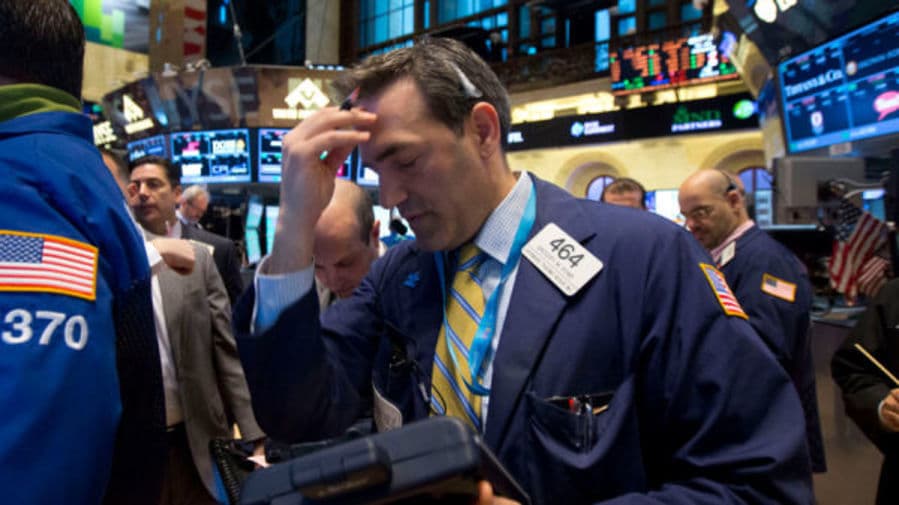
On Friday, the Nasdaq 100 dropped almost 5% and the Philly Semiconductor Index (a driving force of the big rally since the initial Iran attack selloff) dropped over 10%!
Rates: Only Part of the Story
The jobs data came in hot. I would say, yet again, as we published in our NFP instant reaction, there were fewer inconsistencies in this report.
The market is now pricing in one rate hike in 2026, as opposed to a 69% chance at the start of the week (though that should not have derailed stocks the way they were derailed).
10-year Treasury yields rose to 4.53% from 4.43% at the end of last week, hardly warranting such a large selloff in equities. The 10-year only moved 3 basis points higher from Wednesday’s close to Friday’s close – kind of noise in the grand scheme of things. It was 4.66% on May 19 but the Nasdaq 100 was a touch lower than today.
I continue to think we see a steady grind higher in yields:
- Price increases are being passed on to the consumer, and in the vast majority of industries, the consumer seems willing to pay those prices.
- I continue to focus on the longer-dated oil futures contracts. My “go-to” choice has been the January 2027 WTI contract. My pain point is that higher for longer is baked into oil prices, but not necessarily bond prices.
- Spending on military is increasing globally. There are also spending pressures on many countries to offset the affordability issue, which is global in nature.
I don’t like the backdrop for bond yields here. It is a global issue, but the transition from Treasuries being the “gold standard” to a “generic sovereign bond” to many purchasers impacts Treasuries a little more.
3 Stories More Important Than Rates
I think there were other stories that hit the tape later in the week that bear the most responsibility for the move. Let’s start with what I think was the most important headline.
1. SpaceX, Other Mega IPOs Denied Fast Index Entry by S&P. According to GROK, the eligibility rules for inclusion in S&P Dow Jones Indices would not shorten the 12-month seasoning period, and there would be no waivers on profitability regardless of size/market cap. The purchasing is based on outstanding float, not market cap, but it could have meant an immediate $10 billion to $20 billion in demand for some of the big IPOs, and steady demand every time they issued more shares. Now that deal terms are being circulated (along with financials), analysts can take a closer look at these companies and their valuations (which given how excited the market has been for them, might be disappointing).
- It will be curious to live in a world where some of the biggest companies, by market cap, don’t move the S&P 500, but it seems that this is the path we are heading down.
2. Stories hit the tape that Meta (META) was potentially considering raising “tens of billions” in a stock offering after Google’s (GOOGL) record $85 billion share deal. We have lived in a world where knowing “blackout” periods was important because companies tended to buy back less stock during those periods (not sure if that was ever true, but it is a perception that was out there). Is the market going to have to digest a lot more equity issuance than previously thought? Is the share buyback era shifting?
3. Broadcom (AVGO) apparently missed AI expectations. Not sure how true that headline is, but it gathered momentum after their earnings. I suspect it was as much about the market waiting for an excuse to sell, than it was anything really inherent to their business. If it was just their business, the damage wouldn’t have been so widespread. Regardless of the accuracy of the headlines, we had the media, for the first time in ages, being able to question the ongoing AI spend! That is important, especially for anyone who was looking for a “catalyst” to end the parabolic run.
I think these 3 stories played a much bigger role in the weakness than either Iran or rates did.
That is somewhat concerning from a risk perspective, because all these stories have “legs” to them and if this is a real challenge to the parabolic move, we have plenty of downside left for stocks.
While I don’t see rates as the primary driver, they aren’t likely to help risky assets in the coming week either.