VIDEO: Reviewing a Stellar Q3 and Looking Ahead on Our Members-Only Call
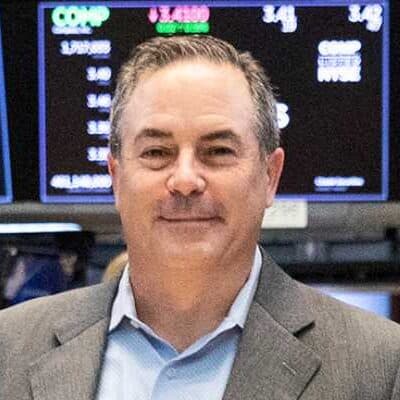
Conway Gittens leads a spirited conversation about the economy, market, and Pro Portfolio with Chris Versace.
You've reached your free article limit
You've read 0 of 1 free Pro articles.
As we reflect on the recently completed third quarter and look forward, TheStreet’s Conway Gittens joins Pro Portfolio manager Chris Versace on TheStreet Pro Portfolio's Quarterly Members-Only Call.
We put a bow on Q3 2024, which was a stellar quarter one for the Pro Portfolio, and detail what we’re watching when it comes to the current one.
The discussion covers a wide array of topics from the Fed’s surprise 50-basis point rate cut, to the geopolitical environment, to thoughts on the market valuation.
The conversation also reviews what's worked well for the portfolio, what's lagged, and what the portfolio intends to do with those few positions.
Transcript
CONWAY GITTENS: It's time for TheStreet Pro Portfolio quarterly call. Let's get right into it with portfolio manager Chris Versace. Hey, Chris.
CHRIS VERSACE: Hey, Conway.
CONWAY GITTENS: So let me first get your reaction. We got a surprise 50 basis point rate cut from the Fed in September. What do you think?
CHRIS VERSACE: I was thinking that we would have seen something more along the lines of 25 basis points. The market a couple of days ahead of that seemed to be keyed into a 50 basis point rate cut. And that is what the Fed delivered. As a result of that, I think the market is kind of re-embracing the notion that the Fed was going to go bigger. I think some of the data we've gotten in the last couple of days is recalibrated the thinking on the pace of rate cuts.
But yeah, I was surprised by the 50 basis point rate cut. Fortunately, we were positioned for that with some interest rate sensitive stocks in the portfolio. Builders FirstSource, for example, which had a nice post-Fed rate cut pop, but also United Rentals, Vulcan Materials, and the like. So while we were a little surprised, we were happy that we got it.
CONWAY GITTENS: All right, Chris, we got an hour together, so don't go get ahead of me. How are you reading the Fed right now? Do you see the rate moves as something like a normalization? Or do you see it as a bit of a panic coming out of the Federal Reserve?
CHRIS VERSACE: I don't-- well, if you're asking for my take on what the mood at the Fed these days, let's talk about the two things that people should be paying attention to. First is inflation. We have seen some continued progress over the last several months, closer and closer towards the Fed's 2% target. At the same time, in August, there was a lot of concern about the economy. And if we were going to have a hard landing scenario.
Now, the data that we've gotten since then, through August, September, and even more recently, we started to see that shift from a hard landing to a soft landing. And now on the back of the September ISM services PMI figures, as well as the September employment report, the concept of a no landing scenario has really come to the forefront, and I think that's going to be solidified when the Atlanta Fed updates its GDP now model.
Last week, it was revised lower to 2.5% And then we got those data points that I mentioned. And those will be reflected in this next update. And Conway, I've got to think that we're going to see a number that is not only revised higher, but the strong possibility that there is a three handle in front of that. That tells us the economy is performing rather nicely, humming, if you will. Against that backdrop, the Fed doesn't necessarily need to rush to do anything with monetary policy. At the same time, there's a couple unknowns we have to watch out for.
Obviously, Hurricane Helene and the damage that it brought. They were closely watching hurricane Milton as well to see what incremental damage it might bring. Both of those could be headwinds for the economy in the near term. Although longer term, I think that we will see some of those construction names that I just alluded to really benefit as the rebuilding effort gets underway.
So right here, right now, I think the Fed is kind of sitting there waiting to see how the data develops. But they don't need to do anything. What I would say, perhaps they need to recalibrate their recalibration. And that's something the market has to watch.
CONWAY GITTENS: So given the big jump that we saw in the September jobs report and the fact that the ISM services index is up 5 or showing growth 5 of the last six months, was a 50 basis point rate cut warranted?
CHRIS VERSACE: It's a great question. I mean, you're kind of asking me to look in the rear view mirror with more recent data. I think if we were to do that, we could probably say, no, the Fed didn't have to go 50 basis points. And I think if we remember Fed Chair Powell's comments that the FOMC was kind of dithering back and forth, 25 or 50. The reality is that they went 50.
But here's the thing, Conway, they have multiple meetings ahead of us in November, December, January. We're going to get a lot more data, and that will ultimately tell us if they should have done more, they should have done less. But here's the thing. They can pause. They may not have to cut rates further this year. But all that's going to be out in the wash as we get more data. And the thing is, as we get that data, we're going to continue to position the portfolio for what we see ahead.
CONWAY GITTENS: So speaking of positioning and portfolio, where do you stand on the debate over the prospects of a hard landing versus a soft landing and now a no landing?
CHRIS VERSACE: Yeah. I mean, as members we're always reevaluating things, letting the data, as I say, talk to us. So as we get more data, we'll continue to update our thoughts. And we were not in the camp of a hard landing. If anything, the data that we were seeing pointed more towards a soft landing. But increasingly, as I said a few moments ago, it appears that, based on the data we got so far, it looks more like a no landing scenario.
And that means that the Fed is-- they can slow walk their way to further rate cuts, especially if we see the September CPI, PPI, potentially, not show as much progress as folks might have been thinking. There is the concern, too, with some of the October data, given what we're seeing more recently with oil prices, that inflation data might tick higher a little bit.
If we see all that start to unfold, or at least the signs of that, I wouldn't be surprised if we see the Fed go back to something that said earlier this year, which was we've seen progress, but we need to see more good data emerge. That's what I think we could see.
CONWAY GITTENS: So given the portfolio in mind and the overall market in view, is the market moving too far ahead of the Federal Reserve? Do we have to scale back? Does the market have to scale back some of its expectations, which means since we have both the Dow and the S&P 500 pretty much at record highs, then we're going to need to see some pullback?
CHRIS VERSACE: Yeah. It's a great question. And if we were doing this last week, I would have said, Conway, you're absolutely right. The market's out over its skis. It's looking for 325 basis points in cuts before the end of the year. Now, after those two data points and this past weekend, we did see the yield on the 10-year Treasury move higher. If we looked at the CME Fedwatch tool, the number of rate cuts shifted lower from 3 to 2. So I think the market is getting the message.
But you are right, it's still out over its skis. And last I looked today, it was chugging higher, which tells us that the valuation is still stretched. And when I say that, I'm talking about the PE multiple for the S&P 500 on consensus 2024 earnings being up over 23 times. Remember, members, we talked earlier this year around mid-August or so that it was near those levels, but in September and more recently has moved past those levels. That's why we say the market's valuation is stretched.
CONWAY GITTENS: So given the Fed outlook, what are you going to be paying more attention to, the weekly jobless claims numbers that come out on Thursdays or the monthly CPI and PCE number?
CHRIS VERSACE: That's an easy one for me. It's always the monthly data. If you pay attention to the weekly jobless claims, they can be noisy at times. So what I like to do is kind of like triangulate around a number of data points. That's really why I lean into those PMI reports that we get at the start of the month.
They give us a great snapshot, not only on what's happening in the manufacturing and services side, but they clue us in on what's going on with employment, with inflation, and they really help set the tone for what we're going to hear. The other nice thing about that, Conway, is we also get dual views, one from ISM, and that data gets factored into GDP. But we also get a similar set of reports, facts, and figures from S&P Global.
And by looking at both of those, we tend to have a pretty good first look at what we're going to get, not only when it comes to the employment report, but CPI, PPI, and potentially the PCE as well.
CONWAY GITTENS: All right, great. That's good. You've given our viewers something to look forward to both the ISM numbers and the S&P numbers that come out. Both of them tend to come out at the beginning of each month. So let's talk strategy here. How does the surprise rate cut shake up the portfolio?
CHRIS VERSACE: It really didn't, honestly. I mean, if anything, we were positioned for it. Our thinking going into the meeting where the Fed cut 50 basis points is the Fed is embarking upon a rate cutting cycle. That means that it's not a one-and-done event, that we were looking forward to multiple rate cuts over the ensuing quarters.
And recognizing that was going to happen, we positioned ourselves accordingly going into that, again, with the addition earlier this year of Builders FirstSource scaling into United Rentals, Vulcan Materials, and to a lesser extent waste management. But it's also another reason why, when we think about the impact of lower interest rates, not just on mortgages, but on hurdle rates for other construction projects, that's another incremental reason why we favored adding the shares of Eaton to the portfolio.
Eaton is in there because of the looming pain point from electricity whether we want to talk about the vibrant expectation for data center construction, the buildout of an EV charging network across the US. But those projects and lower interest rates, reduces the hurdle rates, reduces the borrowing costs for that, just like we've been saying with United Rentals and infrastructure projects, it could really accelerate the pace of those projects. And I think all in all, we were well-positioned ahead of the Fed rate cut. We continue to be well-positioned with those holdings in the portfolio.
CONWAY GITTENS: All right, Chris, you get to pat yourself on the back. You're ahead of the move, so to speak. But everybody was not. So how does that cut shake up the investment landscape? Because even though you are ahead of the curve, other people were not, which means that there are going to be opportunities to either buy or sell because other people are going to be making moves.
CHRIS VERSACE: Right. Right. I guess, the way I would interpret that question, Conway, is that we have been positioned well. If you look at the September quarter, the portfolio really advanced, actually eclipsing the S&P 500 by just a couple of basis points-- so outperformed. We're happy with that.
But this is not a fix it and forget it type of thing. We're constantly looking for new names, looking for levels at which we want to pick up, well-positioned companies inside the portfolio, and identifying others that we might want to bring into the portfolio, because this is always an evolving game. It's not just the next month or the next quarter. We're thinking about things as they relate to 2025 and potentially beyond. So I would say that we're always on the look for opportunities, Conway.
CONWAY GITTENS: All right. So do you think you will have more opportunities to buy or more opportunities to sell? And where are you looking for those opportunities?
CHRIS VERSACE: Sure So I think we might get some opportunities for both. I think the buying opportunities, we'll probably have to see a pullback in the market. We could very well get that during the September quarter earnings season. Companies will be updating their outlook not just for the current quarter, meaning the fourth quarter of the year, but we're going to start to get some early indications about 2025.
And as members know, I've been very concerned about the 14%, 15% consensus forecast for EPS growth for the S&P 500. That seems like a very lofty goal. And I think that we'll start to see that come in. As that happens, we could see the market, again, which over the last few weeks has been short term overbought, valuations stretched. And of course, if we see the Fed slow-walking its way to additional rate cuts, all of that could lead to a market pullback.
So that's where we see the time for maybe picking up some stocks. We've shared with members, some companies that are on our shopping list, if you will, ones that are in the portfolio that we want to pick up more shares-- Dutch Bros, Eaton, Meta, for example, but at the right price. We've also started to add a couple of names to the bullpen.
And I expect that as we go forward, we'll probably see a couple more come into the bullpen. So that should we see a pullback, if we see the right price point, the right risk reward trade off, we'll be ready to capitalize on it, replicating some that we did in August. And in August, for some folks that may not remember, during the market pullback, we were able to add shares of Meta, shares of Eaton, shares of Dutch Bros to the portfolio. It was an opportune time to do so. And if we have the opportunity to replicate that, we want to be prepared.
But Conway, you also asked about selling. And over the last couple of days we have done some of that. We trimmed our positions in Lockheed Martin, in Axon. These have been wonderful performers for the portfolio. But we also have to recognize that from time to time, prudent portfolio management is a must.
In the case of both of these stocks, they had tremendous runs. Lockheed Martin moved about more than 30% since late July, compared to a 3% move in the S&P 500. It was overbought. We understand the reasons for that, given the rising geopolitical tensions around the world and increasing spending on defense from NATO countries. All of that is flushing up, if you will. I'm not sure that's the right word, but I said it, flushing up Lockheed Martin's backlog. So a lot of expectations there.
But sometimes, Conway expectations get ahead of this stuff, get ahead of themselves. When we see that, we want to make sure that we're able to ring the register, lock in some of those gains. So that's what we did with Lockheed Martin and to some extent with Axon as well. And we'll continue to look for similar opportunities.
CONWAY GITTENS: All right. Typically, some sectors do better than others when rates are coming down, particularly those companies or sectors that rely on debt. So anything look more attractive right now, now that it is confirmed now-- I know you moved ahead of the curve, but now that it is confirmed that we're in this rate cutting cycle, anything, any sectors look more attractive right now?
CHRIS VERSACE: Well, I think that we're benefiting from that. As you pointed out, we kind of moved ahead of the curve. I think we're positioned for that. I can't say that there's anything new, especially right now, given the fact that the Fed might be, again, recalibrating the pace of those rate cuts to the extent that the Fed does less, we're probably going to see some of those interest rates sensitive areas kind of pull back.
We've already seen that start to happen. Builders FirstSource, for example, just as one as folks rethink the pace of mortgage rates coming down. But I think there's going to be some other areas there. But as it relates to debt the way that we tend to think about debt is, some companies use it, they use it very well. As rates come down, there might be opportunities to refinance that debt. That would be great for our positions like Bank of America, Morgan Stanley, and their investment banking operations.
To the extent, we see actually portfolio companies do that, take advantage of that, there might be some upside for earnings expectations for 2025, maybe even further out.
CONWAY GITTENS: All right. Let's shift gears to politics. Geopolitics have ratcheted up, to say the least. How are you feeling about Lockheed Martin? That stock is up 34% year-to-date. Axon Enterprise is in the portfolio, too. You mentioned that stock is up 63%.
CHRIS VERSACE: Yeah, those are working out, I would say. Look, we just trimmed some of them. But I would say this, when we're looking at the political landscape and the geopolitical landscape, public safety is a bipartisan issue. And I think that as we look to the 2024 presidential election, I think that it's going to remain a high priority item when we take a look at what's happening.
I think that bodes extremely well for Axon, not only for its taser business, but for its body camera and cloud business. And as members, we're really focused on with Axon, the accelerating shift towards the higher margin, recurring revenue cloud and software businesses inside of Axon. That's leading to a margin shift higher. That should continue to drive incremental earnings.
So what we're waiting for now is the next set of data points that confirms that. If that's the case and earnings expectations have to move higher, it will be a reason for us to move our Axon price target yet again higher. And I say yet again, Conway, because I think we've moved our axon price target 3, 4, maybe even 5 times higher since the shares were first entered into the portfolio.
With Lockheed Martin, yes, we did trim some of the shares back, but we also recently boosted our price target. And when we did that, we said that Lockheed has yet to deliver its multi-year backlog forecast, updating it for the first time since they came on and said in July that we are resuming shipments of the F-35. That is our next catalyst to potentially take that price target higher.
So while we've trimmed, we continue to see further gains ahead in both positions. We will have to revisit our price targets when the time is right.
CONWAY GITTENS: And looking at the market overall, how do you see the market positioned going into the elections? Are we overbought, or are we oversold, or are we just right?
CHRIS VERSACE: I would say that the market condition is continuing to be overbought and stretched. I think that the election-- I mean, it's going to come down to the wire. I think if we take a look at some of the latest polling really in the battleground states, it surprisingly remains close.
But the silver lining in that, Conway, is that because it is so close, I think both candidates are going to pull out all the stops with campaigning and advertising. And I think folks will recognize this, that between Trade Desk, between Alphabet, Meta, I think we're extremely well positioned for that accelerated shift in digital advertising that they're going to utilize even over the last couple of days.
As I've tuned in to YouTube to watch a clip of something, it seems as if there's two ads running, one of which is a presidential campaign ad. So I think they're fully embracing that, and that's good for us.
CONWAY GITTENS: So when we were talking about the Fed, you said how you moved ahead of the rate hike-- rate cut, excuse me. So you were ahead of the curve. What about when it comes to the elections, how was the portfolio positioned? And I'll give you three different scenarios and you walk me through it. Number one, Harris wins, and she has a split Congress, or Trump wins, and he has a split house and Senate, or either one of them gets a clean sweep.
CHRIS VERSACE: Well, my prediction is that we're going to have the election day, and it'll probably be a day or two before we really know who wins. I know that my preference is for something a little cleaner and more decisive, but that's what I think that we're going to get.
I think the reality, Conway, and you kind of hinted at it is it's really going to hinge on who wins not only the presidential race, but the outcome of Congress. I wouldn't be surprised if we see some type of split between them. That's going to complicate things. But it also says that there'll be some checks and balances, that there won't be anything skewed to one particular party's agenda. That might be a little bit of a sigh of relief for Wall Street and investors.
But as it relates to the portfolio, I already touched on public safety. Defense spending is obviously something we'll be watching as well with programs there. But the other one is going to be health care. We have Elevance Health in the portfolio. The stock was up near our price target. Several weeks ago, we downgraded it to a 3 and the stock has since fallen down below 500, gives us enough room, if we wanted to, to revisit the rating potentially to a 2. But we have to see what the outcome is of the election when it comes to health care. And that's something that we'll be watching closely over the next, I would say, 29 days to the election, but more likely the next 45 to 60 days as we get a sense of what could happen when the next president takes office.
CONWAY GITTENS: So there's an adage on Wall Street that Wall Street likes political gridlock. Does the portfolio like political gridlock?
CHRIS VERSACE: I would say that much like Wall Street, we do not like uncertainty. So to the extent that we get political gridlock, things kind of slow. We kind of know what the environment is. It means that certain things will have to be a little more even keel, if you will to go forward. That type of visibility is something that we would be very much OK with.
CONWAY GITTENS: All right. So there are a lot of different scenarios we talked about at gridlock. One person getting one, the House, the Senate. So what should investors, who follow the portfolio and are trying to mimic the portfolio, what should they be worried about? Should they be worried about changes to capital gains taxes, income taxes, corporate taxes, or even federal debt, which doesn't seem to rock any boats right now?
CHRIS VERSACE: Yeah. I mean, you raise a lot of good points, Conway. And I'm not trying to dodge the question, but it's ultimately going to come down to know what's the mix of our political representation in Washington as we start 2025. And we can sit here and offer all different scenarios, but it's extremely close. And I think we're just going to have to wait and see what the final outcome is and make our moves with the portfolio then.
For the individual investor, of course, capital gains will be something you want to watch as it relates to earnings expectations for 2025, 2026. Will we be paying attention to corporate tax rates? Yes, we will. But again, to make any snap judgments today, I think we would potentially be making a wrong move. I think by being patient, letting the election play out and assessing the outcome of the election, once we know the results, that will put us in not only a better footing, but a footing with a much higher degree of confidence going forward.
CONWAY GITTENS: I don't want you to suggest any snap moves. I just want you to give the viewers something to think about, things to think about. Like, just like you said, you were able to make moves ahead of the Fed cutting that surprise cut. So if you wait until it happens, you might be too late.
So in terms of some of the political things that could happen, what are some of the things that people when they're looking at their portfolio, when they're looking at their money, what should they be thinking about, so that as they see certain things happening, they're ready to move because they've been thinking about it?
CHRIS VERSACE: Sure. Sure. So let's separate that into a couple of buckets. So what are some potential policy changes? So you mentioned capital gains, we'll have to watch that. You mentioned corporate tax rates, we'll have to watch that. I mentioned health care, we'll have to watch that. There might be other areas, whether it's immigration, entitlements, all of these various things that will have to continue to monitor.
But as we do so, we will have to measure and weigh the probabilities of different scenarios because we just don't know what the outcome is going to be. That's what we were able to do, getting ready ahead of the Fed. We were able to see a lot of the different data that allowed us to go, the Fed is making progress here. The economy is doing this. The odds of the Fed moving towards a rate cutting cycle are far higher than they've ever been. Let's position ourselves for that.
It's going to be a little bit different in Washington. But again, as we get closer and we collect these data points, we'll be letting members know our thoughts on these issues and more as it relates to the election, the outcome, the portfolio, and the economy.
CONWAY GITTENS: All right, Chris, let's move from politics. Let's get to movers and shakers. Let's get down to the nitty gritty within the portfolio. You recently scaled back positions in Trade Desk and Universal Display. What do these two stocks have in common?
CHRIS VERSACE: Significant outperformance. That's really it, Conway. So as I wrote in the alert is really, from time to time when we see positions really move significantly, either in an absolute return or if they become a large piece of the portfolio really getting close to that 4.5% position size as in the case of Universal Display, it's a very good problem to have. But as members know, we like to remain prudent and disciplined investors.
So when we see opportunities like that, we do want to capitalize on them and lock in some of those gains. But with both positions, we continue to see further gains ahead. Trade Desk, as folks may know, newer members, we like that given the overall shift towards digital advertising, but also the increasing adoption of digital advertising in streaming video, whether it's Netflix, whether it's Disney, whether it's some of the freer channels like Tubi or Freevee. All of this, all of them, I should say, is embracing video advertising. And that's right in the sweet spot for Trade Desk.
But with Universal Display, not only are we seeing continued adoption of organic light-emitting diodes in the smartphone market, we're seeing it broaden out into the tablet market, into the PC notebook market, even as I talked to Conway ahead of me on the monitor that I see him on into the PC and related monitor market TVs. We've talked about this, but we're also seeing some very nice inroads into other markets outside of what we would broadly call consumer electronics. And I'm referring to the automotive market. So there's a very nice tailwind for the shares of Universal Display. So even though we took some profits, Conway, we continue to like both of those positions.
CONWAY GITTENS: All right. Trade Desk is up, what, 57% year-to-date. OLED is up about 9%. When I take a look at the portfolio, they are still on the bigger side proportionately of the portfolio. One of the other sectors that's kind of big in the portfolio as well, financials, Bank of America, Morgan Stanley. So you're the person buying Bank of America as Warren Buffett sells his stake.
CHRIS VERSACE: Apparently so, I am. But remember, though, and we can joke about it. I know he sold Bank of America shares, but he still has a significant position inside of Bank of America. Now our thinking about Bank of America is a couple fold.
And first, as the economy continues to be healthy and interest rates come down, we should see a pickup in borrowing activity, whether it's mortgages or commercial real estate. That'll be very good for Bank of America. But there's also the continued growth in the investment banking. We've seen a decent amount of M&A activity so far this year. And the IPO calendar continues to firm, Bank of America has improved its position in the league tables for both really over the last few years, and I think they will remain well positioned for that as well.
And of course, as interest rates come down, those high-yield savings accounts and the enviable balances of 4 and 1/4 or higher, interest rates are coming down. I've already seen Apple reduce the high yield rate for its savings account with Goldman Sachs. And I've seen American Express do the same.
As the Fed continues to cut rates, we will see those and other alternatives come down even more. And I think folks will be looking for the market to drive returns. That will be good for the wealth management business and Bank of America. And those comments on investment banking and on wealth management are exactly the same for Morgan Stanley. So we continue to think-- we continue to like both.
CONWAY GITTENS: And what about Mastercard? I was taking a look. The stock is up 15% year-to-date, down about 18% from a year ago. What are you doing there?
CHRIS VERSACE: Well, we wrote about this recently, saying that the stock had moved past our 490 price target. But we were waiting for the September employment report as a catalyst to revisit that price target. And we talked about it earlier, but just to quickly remind folks, the September employment report far stronger than expected in terms of the number of jobs created, wages accelerating.
That really echoed what we saw in the ADP employment report. It kind of tells us that there might be a little extra firepower for consumers as we head into the busiest shopping time of the year, the holiday shopping season, which as we haven't talked about it yet, but maybe we will, is getting pulled forward with the Amazon Big Deal Prime Day event and the competing response from a number of retailers, whether it's Walmart, Kohl's, Big Lots, if they're still around, Macy's and the like. So I do think that in the next couple of days, as we get the initial findings from these reports, it'll be another catalyst for us to revisit that Mastercard price target.
CONWAY GITTENS: You're taking profits in ELV, Elevance Health. You also downgraded the stock to a holding pattern. What are you holding for? What's going on with that stock?
CHRIS VERSACE: So yeah, I mean, that's a move that we made earlier in the September quarter. And it was real simple. The stock ran up to our price target. And in order to revise that price target, we were looking to see, how is Elevance going to further expand its footprint and grow its Medicare geographic coverage? That was really the key.
The shares have fallen back, kind of as I alluded to earlier. And we're aware of it. But we also know that health care is kind of one of these political animals that we're waiting to see shake out from the election. So I suspect that based on what we learn, probably in as a result of the election and after, it could give us a reason to revisit that. The shares are cheap enough at this point to warrant upgrading to a 2, but we don't have a catalyst for us to get very active in the shares. That's really what we're waiting for, Conway.
CONWAY GITTENS: Let's move on now to the XLE. That is the energy ETF. You dumped your exposure to energy last quarter. Since then, energy has been on a bit of a tear. Any regrets there? And talk to me about the decision to drop XLE.
CHRIS VERSACE: So we got out of XLE. We had a nice profit in it. And if you remember at the time, we were seeing a lot of weakness in the China economic data, and China is one of the largest importers of oil. At the same time, we're hearing rumblings that OPEC Plus was going to finally lift its production levels. Remember, they've been extending the production cuts for some time. And it appeared that they finally were going to say, enough is enough, we're going to go forward with and lift those production cuts.
That was kind of the recipe that led us to do that, because higher production, more supply, more supply, a potential fall further in oil prices. Now, what's happened since then? Well, the Middle East conflict has escalated, and there is renewed concern about oil, which is totally understandable. The question for us is, how long is this going to go on? And when it's over, are we likely to see a pronounced drop in oil prices as those OPEC Plus cuts are lifted.
So it's something that we're watching. The Israeli-Iran conflict as it's shaping up to be is a bit of a wild card. We'll have to see how that goes.
CONWAY GITTENS: Another movement in the portfolio is what I'm calling the CNC factory. If you remember back in the '90s, that song, everybody dance, dumping cosmetics.
CHRIS VERSACE: You're not looking for me to bust a move, are you?
CONWAY GITTENS: No. So you're dumping cosmetics, Coty-- that's a C-- for coffee-- and that's another C-- Dutch Brothers. What? In this economy, you're dumping cosmetics for coffee?
CHRIS VERSACE: Well, it's an interesting question, but we have to ask ourselves why. When we talked about Coty, typically, we're in the seasonally strongest time of the year for it. But the management guidance just really wasn't up to snuff. And we just had enough comments from a wide array of retailers at the time that the consumer was simply just too choosy and/or trading down. So we're a little concerned about that with Coty.
Candidly, when we did the math, to exit the position and be made whole on it. It was just better to, I hate to say this, kind of rip the Band-Aid and move forward. And we did that in part with Dutch Bros, but we also used part of that, the proceeds from that sale as a way of funding our positions of Eaton as well as Meta. And both of them have been nice performers for the portfolio.
But to your question about Dutch Bros, remember this is a small form factor coffee and energy drink company that is moving east-- sorry, west to east in a time tested geographic expansion strategy. We have seen this with Starbucks. We have seen this with Dunkin' with McDonald's, and others. That's the crux of the story.
If they were a fully realized national footprint, would we have added Dutch Bros? Probably not, but they aren't. And this strategy, even when we were back at stocks under 10 with Habit Burger, this was the exact same strategy that we saw and it led to Darden buying out Habit Burger at a premium. Again, time-tested strategy, that's really what we are playing with Dutch Bros here.
And just to go back to your comment about falling interest rates, to the extent that we continue to see that play out, it would probably be a factor in helping Dutch Bros accelerate their geographic expansion.
CONWAY GITTENS: And what about Starbucks? I know it's not in the portfolio, but since you like Dutch Bros, do you think Dutch Bros can pick up from the missteps and Starbucks maybe being distracted by a new CEO?
CHRIS VERSACE: It's certainly possible. It's not built into our thesis, but I think, is that they expand their geographic footprint. There is the opportunity then for them to take at least some consumer wallet share from Starbucks or Peet's or McDonald's or some of these others that play in the coffee market.
As it relates to Starbucks, I think Brian Niccol was a fantastic CEO at Chipotle. When we owned Chipotle shares, we certainly benefited from the moves that he made there. But I also think that to compare Chipotle and Starbucks, you really can't. And it's not just burritos and coffee. Starbucks is a much more complex animal. To begin with, there's the international footprint that they have. But at the same time, there's a variety of other businesses contained inside of Starbucks.
We can talk about simply the relationship with the supermarket product that they have there, whether it's bottled cold drinks, packaged coffee, or other things. So I think Niccols has a bigger animal to wrap his hand around at some point. Starbucks might become an interesting situation for the portfolio to consider. But for now, we've got our play, and that's going to be Dutch Bros.
CONWAY GITTENS: I was going to save this for later, but since we're talking about consumer products companies and like Coty and Dutch Bros and Starbucks, I might as well ask you about Pepsi. I mean, the results came out, mixed results. Earnings better than expected. Sales down for the second quarter in a row. How concerned are you-- or I shouldn't maybe put words in your mouth. Let's just say what are your thinking about Pepsi?
CHRIS VERSACE: So, to me, the negative of it was the revision in their organic revenue forecast. They had been thinking 4% for the year, and they brought it down to low single digits. So I mean, low from 4 is probably 2 plus or minus.
But I think what stood out was what we saw on the margin front. As costs come down, they're able to continue to deliver improving margins. That's really the key. And then my thinking is that when the company is able to start picking up organic volume growth again, the cost reductions that they're putting in place should drive even additional margin improvement, giving rise to bottom line expectations.
I think the question that we're wrestling with, though, is that as we move past the seasonally strongest time of the year, even though Pepsi happens to be on path to be a dividend king, is this a name that we're going to continue to own in the portfolio? I think we're going to have to get through a couple of additional signals, data points about the consumer, about wage growth, and really take a better temperature on consumers to see if they're going to continue to remain selective choosy or if they're becoming a little more comfortable, a little more confident. And that might translate into a little better spending than perhaps some folks were thinking.
CONWAY GITTENS: Here's something I'm screaming from the rooftop about, average hourly earnings up 4% over last year. That is faster than the inflation rate. So people are making more than they're having to spend on products, yet we're still worried about-- we're still seeing consumers worried about their spending power.
CHRIS VERSACE: Well, I think that's right. Not to digress too much here, Conway, but we have seen a lot of progress on inflation. But I think that food inflation has been a lot more stubborn than folks were thinking it was going to be. The fact that oil is, as we talked about, moving higher, it suggests that perhaps some of the other costs regarding food, transportation, for example, might be a little sticky. Perhaps they move a little higher. So that food inflation may not come down as quick as some folks were thinking.
We've been benefiting from that, if you want to think of it that way, because of our position in Costco, which is really over the last several years, beefed up its fresh food and sundries offering, helping consumers stretch their dollars. So I think we'll remain well positioned for that. But we're going to have to continue to watch the consumer, no question about it.
CONWAY GITTENS: Is Amazon another inflation weary play for you?
CHRIS VERSACE: It is. I mean, there's a variety of factors going on with Amazon. Obviously, we continue to think that cost-conscious consumers are going to embrace digital shopping. Amazon is there. And it's not just their big Prime Deal Day to help pull forward the holiday sales season. It's very easy for consumers to price compare using digital shopping. And Amazon, especially with Prime, extremely well-positioned.
But you have to remember too, though, that Amazon has a few other things that are really driving its business forward. Yes, there's Amazon Web Services and the continued adoption of cloud and AI. But there's also their advertising business that I don't think a lot of folks really pay attention to that. Whether it's on their own website or in Prime Video, they are really picking up market share in terms of digital advertising. And that is an extremely high margin business for them.
So we feel very good about Amazon. Going into the end of the year, going into 2025, I think we're going to continue to see more of Andy Jassy's cost-cutting measures earlier this year translate into margin benefits. So yeah, we continue to Amazon.
CONWAY GITTENS: Before we move away from movers and shakers, I know that you are keeping your eyes on return to office and that trend. Tell me what does that mean for the portfolio and things you're looking to buy, things you're looking to add to.
CHRIS VERSACE: Well, I would say it's something that we're keeping our eyes on. Amazon CEO Andy Jassy really put a shot across a lot of bows, if you will, when he said that starting in January, Amazon's going to be going back to the office five days a week.
Now, if you do a little homework, you would understand that roughly 33% or so of most companies have people in the office four or five days a week. But to the extent that we see more companies bring people back for more days during the week, it could be four, it could be five. Odds are we're going to have to see a little bit of a carrot, not a stick to get people to re-embrace that.
That could be a variety of different benefits. But we do know that if people are going into the office more, child care is going to become an issue for a lot of folks. That's why we took a look at Bright Horizons, ticker symbol BFAM, and we added it to the portfolios bull pen.
Now, is this something that is going to make it to the portfolio? We'll have to see. If we see more companies kind of copying what Andy Jassy at Amazon had to say, pushing or more folks back in the office more days in the week, then this will be something that, at the right price, we may call up into the portfolio. But just because a stock is entering into the bullpen does not guarantee it will make it into the portfolio.
So I would just remind that with folks, a note of caution, let's not get ahead of ourselves. But again, if we see that structural shift reverse from work from anywhere back to return to office, we'll be doing a lot more homework on Bright Horizons.
CONWAY GITTENS: All right. Let's look closer at the portfolio. At my last look, the year-to-date performance was up 20% The S&P 500, year-to-date performance, up 20%. So you're kind of neck and neck. But let's talk about the duds in the portfolio, Applied Materials and Qualcomm. We got to hold you accountable. What's up with that?
CHRIS VERSACE: Well, let's deal with Qualcomm first. So Qualcomm, we are in the seasonally strongest time of the year for that. We are seeing ramping smartphone volumes. We've heard that from Micron. We've heard that from others in the smartphone food chain. There is some concern near term about Apple, which is, of course, a customer of Qualcomm's and the iPhone 16 upgrade cycle.
Our thinking has been, particularly coming out of Apple's event in early September when we were a little underwhelmed with what they had to say about Apple Intelligence, that this was likely to be a protracted upgrade cycle as Apple adds additional features for Apple Intelligence with future software. The first one of that is going to roll out October 28. We will see. Maybe that will start to spur this iPhone upgrade cycle, potential catalyst for Qualcomm.
But what I think a lot of folks aren't as focused in on is the ramping opportunity that Qualcomm has in the AI PC space. And we've written quite a bit about it in terms of the expected ramp in AI PCs going from little volume this year to greater volumes in 2025, 2026. They're leveraging what Microsoft is doing with Windows and the next iteration with Copilot. And they are a named partner for Microsoft. And we've already started to see whether it's HP, Dell, or others roll out these AI PCs. And adoption appears to be good.
But the key for Qualcomm, Conway, is the price differential in terms of their chipsets. So while the smartphone market will be a higher volume market compared to AI PCs, the price differential is about 700 bucks or so per Qualcomm's AI PC chipset to about $200 for its smartphone chipset. That's a real nice counterbalance. And I think that as we go through and we see those adoption rates happen for AI PCs, folks are going to have to revisit what they're thinking about for Qualcomm shares over the next several quarters. So we're inclined to stick with Qualcomm.
With Applied Materials, I think there's a couple of things going on there. One, the slower than expected deployment of funds for the CHIPS Act. But to us, that's more of a timing issue than not. But there's also been this wild card, you might recall, in August and September called Intel and what it might be doing with its business. There's some concerns about, are they spinning out the foundry business? What are they doing?
They are kind of getting their house in order, reducing costs that might lead to some reduced capital spending. But as members know and I pointed out, the real companies to watch for Applied Materials from a customer base and capital spending, or Taiwan Semiconductor, and Samsung. And Taiwan Semiconductor, their monthly revenues have been extremely strong. Capacity is likely tightening. I wouldn't be surprised if they signal some incremental capital spending either in the balance of this year or higher spending levels in 2025.
Samsung, they just reported or pre-announced, I should say, a kind of weaker-than-expected results in their memory business, signaling that they are going to double down on that. That likely means additional capital spending there, so they can take on others in the field, including micron. So we're inclined to be patient with Applied Materials, Conway. Sorry.
CONWAY GITTENS: Yeah. Anything else on your worry list? You're being patient with both AMAT and Qualcomm. Anything else on your worry list for possibly dumping or remaining patient with in the fourth quarter?
CHRIS VERSACE: Well, so when we say we're patient, Conway, there's usually a set of data points that we're looking for because, as the members have heard me say, this is not crock-pot investing. We don't simply put a position in the portfolio and then OK, there it goes. No, we're always chewing over data points because we recognize that things can change.
The issue that I mentioned with Intel, if we were thinking about Applied Materials or even Intel itself in the June quarter, probably what has come to pass wouldn't have been a major issue. So we have to have the ability to course correct and make moves with the portfolio. Sometimes that means exiting positions. If the thesis is no longer working out or if the data points are no longer supporting the thesis, as the case was with Coty.
So we're not afraid to do that. The last thing we want to do is let a position turn and not react. That would be a bigger issue for us than not.
CONWAY GITTENS: All right. Let's turn to some sectors that you want to focus on for the quarterly update here. First sector is housing. Take a look at the homebuilder, ETF is up 25% in the third quarter. It seems like we got some good numbers out of Lennar, KB Homes. So as we take a sector focus, let's talk housing.
CHRIS VERSACE: Yeah. I mean, look, Builders FirstSource is kind of our direct play on that. We could argue that United Rentals, Vulcan Materials, Waste Management are more indirect plays on the housing market. All of them have been strong on the expectation the Fed was going to start cutting those rates. We talked about it. We were positioned for it.
But the nice thing is the confirmation that we get from KB Home and Lennar directly for Builders FirstSource, because those are customers. And when we looked at their guidance, it says that they're going to have somewhere between mid-teens or low 20% growth in the second half of the year compared to the first half of the year for deliveries.
Simply put, Conway, that's more homes being made, more homes being delivered. Good for builders first source and their overall business and their shift into more value added products. But it also means the housing market is picking up. So that side of construction will improve the demand for equipment from United Rentals, cement, concrete, and aggregates for Vulcan Materials and, of course, waste removal for Waste Management.
So those are all positives. I would just say, though, we're going to have to temper our expectations a little bit just given some of the weather that we're seeing and the destruction that we're seeing as a result of Helene and Milton. But I think those will present even better opportunities for those names from a business perspective in the medium to longer term.
CONWAY GITTENS: And are you feeling better about housing in the fourth quarter because of the rate cut and the expectation of further rate cuts?
CHRIS VERSACE: Yeah. So what we've said is that in our view, if you were looking at overall construction, non-residential construction has been extremely strong over the last two years, given the number of infrastructure products that we've seen. As rate cuts come in, that should stimulate additional activity.
On top of that, we can layer in as rates move lower, falling mortgage rates, that should stimulate the housing market. Put it together, it says that the housing market, as we move through 20-- sorry, the construction market as we move through 2025 should continue to improve. And as the Fed, if we take a look at their updated set of economic projections, cuts rates through 2025, that sets us up extremely well for 2026.
So if the question you're getting at is, wow, are we feeling better about construction names and housing names over the next several quarters? The answer is you bet.
CONWAY GITTENS: All right. How about retail? Looks like we dodged a bullet because the port workers strike was not as long as it could have been, which really could have just knocked Halloween and Christmas off of its feet. But then on the other hand, as we talked about Pepsi earlier in our conversation, we're getting some mixed results coming from the world of consumer products, other mixed signals coming from consumer sentiment. So what is your view on retail as an investment thesis?
CHRIS VERSACE: So we've avoided a lot of the pain in retail kind of by paying close attention to the consumer. So the two retail names that we have are Costco and our Amazon. We talked about them earlier. They're not--
CONWAY GITTENS: And Apple. Apple is a retail name.
CHRIS VERSACE: Yeah, you could put it in there. I wouldn't necessarily call it a retailer per se. To me, when we think about retailers, it's more like Target, Macy's, those sorts of names. Whereas, Apple is a little bit of a hybrid technology company with a retail presence, I would say.
So how have we managed to avoid some of the issues that other folks might have been trapped into by owning some of those names? Well, we've been mindful of the fact that things have been increasingly tight for the consumer. That's part of our cash trap consumer theme each weekend or most weekends, I should say, that when we share our ripped from the headlines signals, we tend to show that consumers, despite the economic data that we see, there is a swath of consumers that are continuing to feel the pain and the pressure.
So just by being mindful about that and looking for which companies are poised to benefit in that environment, we managed to steer clear of any major issues. And I think we're going to continue to stick with that. I mentioned earlier that we continue to Amazon.
We continue to Costco as well. It's a very different beast in the retail landscape because of its membership business model. And that business model should continue to benefit as Costco continues to expand its warehouse footprint. But also, too, as we go through this year, and we see a renewals of memberships, we will see them at a higher rate given the September 1 price increases. So all in all, a lot to for both Amazon and Costco.
CONWAY GITTENS: All right. We got two minutes left. Let me get your view to close out our talk today. Talk to me about your forecast for the end of the year and going into next year. I know Goldman Sachs has a 12-month price target for the S&P 500 of 6,300. We're thinking of earnings, the forecast for earnings for the third quarter to be, what, 3.2%? So just walk me through the end-of-the-year scenario.
CHRIS VERSACE: So what we're going to be focused on, Conway, as we go through the September quarter earnings season is the guidance for the fourth quarter. And the reason I say this is over the last several weeks, last three months, something like that, we've seen S&P 500 consensus expectations for the second half of the year compared to the first half ball. Back in June, early July, it was looking like an 11% increase again, second half compared to the first half. But that has since fallen, come down now around 7%.
So for us to see a much larger move higher from here, we're going to need to see that earnings expectation for the second half of the year start to creep higher. That's why the September quarter earnings season is going to be a very important time, I think, not just for us, but for the market as well to the extent that companies are delivering either mixed results or softer-than-expected guidance, it would be a reason to think that those numbers for the second half of the year have to come down. That would make the market incrementally more expensive. So that's what we'll be watching.
As far as the Goldman Sachs comment goes on, 6,300, it's a number. And I think that number is going to be predicated on earnings expectations for 2025. And I don't think we'll have a good sense of that until January, when companies start to deliver their first formal outlook for 2025 as they report the December quarter. The next couple of weeks, we'll start to get an inkling for that. But a lot more clarity on 2025 will be had in the coming months.
CONWAY GITTENS: All right, Chris, that's our quarterly call. The portfolio manager for TheStreet Pro Portfolio, Chris Versace, thank you.
CHRIS VERSACE: Thank you, Conway. Appreciate the conversation.