The Fed Isn’t Losing Control—It’s Sending a Message
Four dissents, rising yields, Powell's decision and the politics surrounding the central bank moving forward.
You've reached your free article limit
You've read 0 of 1 free Pro articles.
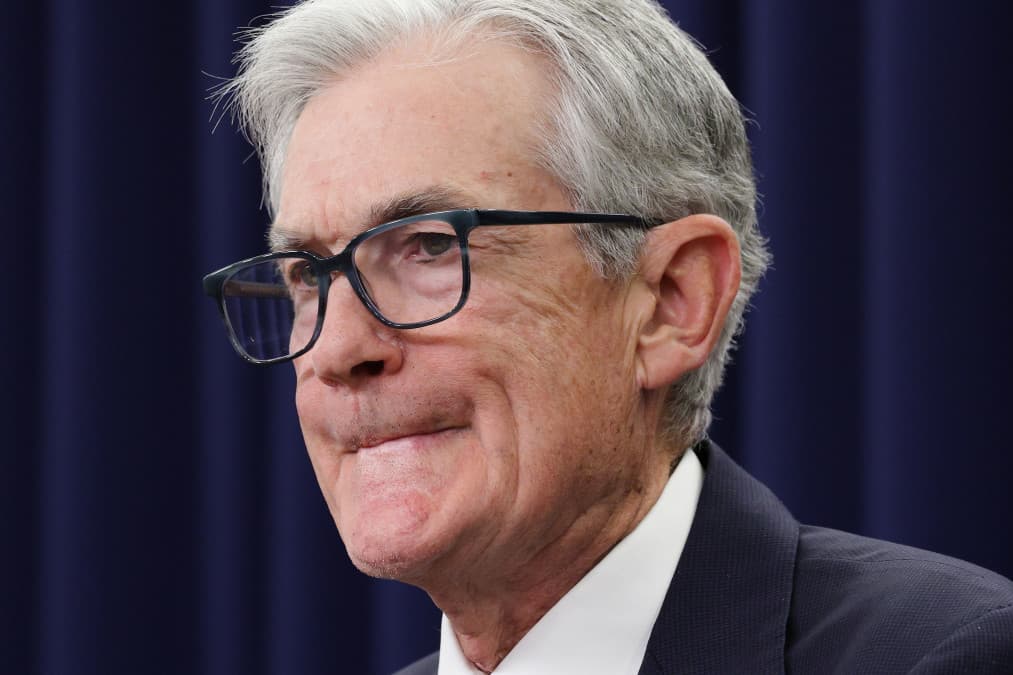
It is getting difficult to argue that the Fed is NOT political, though that has been largely thrust on the central bank.
There were four dissents in the latest FOMC policy statement. That's possibly a record, but it's also unusual in another way — the dissents were primarily about language in the statement, rather than the actual decision.
Stephen Miran voted to cut. Zero surprise there.
No one voted to hike. Zero surprise there.
Three did vote that they had wanted to remove the “bias” to ease.
Is this Jerome Powell “losing control” of the Fed near the end of his tenure? I don’t think so.
I think this was the Fed setting up to not support Kevin Warsh. They were trying to send a signal that not cutting is not just Powell’s decision.
It sounds like Powell will stay on in his seat (just not as governor). He will be a voting member. It did not seem like he was comfortable the Trump administration was done going after him or after others on the Fed. So this seems defensive, rather than aggressive.
In any case, yields are drifting higher.
The war in Iran is not helping. Oil had a decent sized move (7% on front contract) and even WTI is now solidly above $80 all the way out to November with December just below $80. This is not helping with “affordability” and is getting worse, rather than better as the dueling blockades of the Strait of Hormuz continue.
Jobs Data
It is a shame the jobs data doesn’t come out until next week. Last month’s job data was “shockingly” good, so it is difficult for the Fed to bet a lot on a “softening” labor market.
I think this month’s report will show that that last month’s report was an anomaly (as so many have turned out to be) and that the job market is softening, but we don’t have that evidence yet.
Yields and Treasuries
Look for yields to leak higher. My current target is for the 10-year's to drift towards 4.5%. We have had to move the “midpoint” of our range from 4.25% to 4.4% as not only are we worried about the inability of the Fed to cut, but Treasuries are just not a “scarce” asset.
Market practitioners across the globe need U.S. stocks and U.S. corporate credit. Treasuries are more easily substituted with domestic government debt.
It doesn’t mean that Treasuries will not remain important, but they have less relative appeal than they once did. As countries need to spend money to finance defense spending and energy spending (and hopefully ProSec style infrastructure spending) there will be more pressure on global bond yields.
Related: Google Is the Star of the Magnificent Seven Earnings Show