'NACHO' Is Causing Economic Heartburn
Let's get a taste of the economic pains from war on Iran, even as investors brush off much of the concerns.
You've reached your free article limit
You've read 0 of 1 free Pro articles.
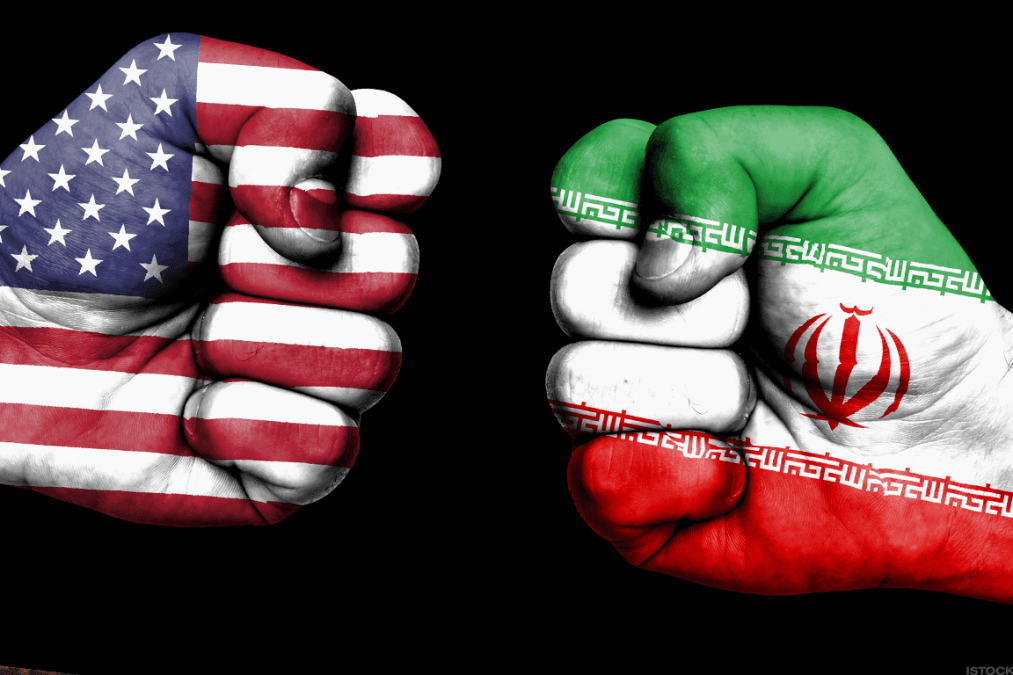
I came across a new term for the investor lexicon on Wednesday, while oil was spiking ever higher. That is NACHO: Not A Chance Hormuz Opens. I haven’t found who originally coined the term yet, but I have to give that person a B-plus for originality. Another trend is much less uncertain, and this is that the economic disruption from the continued closure of this critical passage point is escalating and is cumulative. So, far investors have shown considerable fortitude or complacency, depending on your view, to these events.
Iran is only weeks away from having to shut down production, which could significantly impact some of their key fields. This could impair these energy sources going forward. The country is rationing fuel and according to the Trump administration is on the brink of collapse. That said, there are no signs of mass protests or hints of regime change. And there are unlikely to be on the horizon either.
On the U.S. side, there are more signs of economic stress. The strategic petroleum reserve, that was never adequately replenished from its last major drawdown before the 2022 mid-terms, has been drained of some 250 million barrels of oil. Europe has also released some 400 million barrels from its own reserves. One has to wonder how high oil prices would be right now barring those actions.
Related: SanDisk Looks Sweet, Tech Blooms in April, Is It Sell in May (Or Stay?)
Even with that support, gasoline prices have soared past the four-bucks-a-gallon threshold for the first time since 2022. This is putting even more pressure on consumers, when roughly two thirds of Americans are living paycheck to paycheck, according to surveys. Nor will it boost putrid consumer-sentiment levels, which are already at the lowest levels since this metric started to be polled in 1978.
Average diesel prices have moved over $5.30 a gallon from $3.50 a gallon at the start of 2026. This means the cost of every good being moved by ship, rail or truck has gone up significantly. Jet fuel prices have soared since late February. Airlines have raised prices as a result. Domestic economy ticket prices rose 21% year-over-year in April to an average of $570 a ticket. At least the U.S. airlines are not cancelling domestic flights, yet, like what is happening in Europe and Asia.
The spike in fertilizer prices is hitting right at spring selling season with much of the country’s breadbasket experiencing considerable drought conditions. This means higher food inflation in the months and quarters ahead. It is also impacting Federal Reserve policies. At the beginning of this year, the market was pricing in two additional quarter-percentage point reductions in the Fed Funds rate in 2026. Now, based on futures, there is a three quarters chance there is no interest rate reduction this year. This week’s FOMC meeting had four dissents (thee hawks, one dove), the most since 1992.
And despite all of this, the Nasdaq and S&P 500 posted their best monthly performances in April since 2020. This is largely the result of robust first-quarter numbers. Especially in the technology sector. Particularly from the semiconductor industry from names like Nvidia Corporation (NVDA) , Intel (INTC) and Texas Instruments Incorporated (TXN) . The Shiller price-to-earnings ratio has broached the 40 level again, for the only time since the tail end of the Internet Boom, more than a quarter century ago.
The question for investors as we head into May, and the weakest six months for market appreciation historically, is what is going to power the rally in the coming month now that results from the tech sector in the first quarter are largely behind us?
At the time of publication, Jensen had no position in any security mentioned.