The Best Time to Research a Stock? After You Buy It
This seems counter-intuitive, but let me explain what happens after you pull the trigger — and the cost of confirmation bias.
You've reached your free article limit
You've read 0 of 1 free Pro articles.
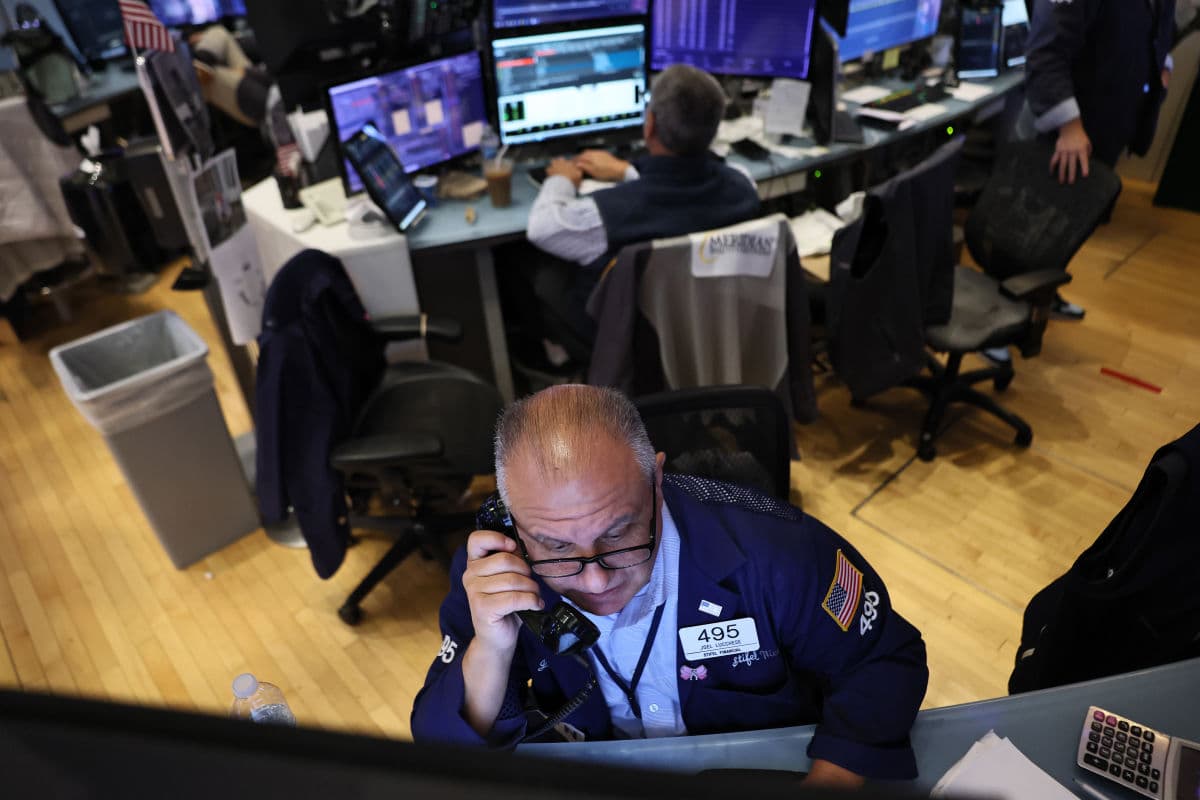
Buying a stock is easy. Open a brokerage account, hit the buy button, and you are now the owner of something that will hopefully make you some money.
Most investing advice treats the initial buy decision as a significant decision that requires hard work, while everything that comes after is treated as just waiting for the eventual reward. You do the research, weigh the bull and bear cases, decide on the position size, click the button, and then wait for the profits to roll in. The hard work is supposed to be done before you own a stock. Ownership is supposed to be all about patience.
That is backward. The buy decision is the easy part. The real work begins after you own the position, because that is when the psychological biases come into play. Emotions get triggered by price action rather than by new information, and the discipline that separates good decisions from average ones is tested.
The trade has barely started when you click the buy button. It is finished only when you exit, and everything between those two moments is where you make or lose money.
Famed investor Stanley Druckenmiller has said something like this in his interviews over the years. He states that he does not conduct detailed research before buying. He buys first and then does the real work. That sounds backward to most retail investors because it runs counter to everything they have been taught about prudent investing. How many times have you been told to do the homework before you buy?
The reason that delayed research works for Druckenmiller, and the reason a version of it works for any good investor, is that ownership focuses attention in a way that pre-purchase research never does. When real money is on the line, you notice things you would have missed. The position teaches you what is most important and what you should have known before you bought it.
The trick is to stay objective enough to act on what you learn rather than rationalize what you have already done.
Confirmation Bias Starts Immediately
The moment you click the buy button, your brain starts working against you. The bias is well-documented in behavioral finance and is known as confirmation bias. You will feel it in yourself if you are self-aware and watch for it. Just ask yourself whether you are really open-minded or if you are just looking to justify the actions you have already taken.
Once you own a stock, you start filtering the information you consume. Bullish articles get read carefully. Bearish articles get dismissed as noise or as written by dumb people who do not understand the story. Earnings reports get parsed for the positives. Management comments get heard as confident rather than as defensive. Price action that supports the thesis is treated as confirmation. Price action that contradicts the thesis is treated as temporary. Every input is processed in a way that assumes the buy decision was correct.
The better approach is to deliberately flip that mindset. After you buy, your job is to actively hunt for reasons to sell. Read the bear case more carefully than the bull case. Treat bullish information with skepticism and bearish information as serious. Look at the price action and ask what would convince you that you were wrong rather than what would confirm that you were right. The position has to earn its place in your portfolio every day, not just on the day you bought it.
This is an inversion of how most retail investors operate. They do the research before they buy and then defend the position afterward. The better approach is to keep the research going after the purchase and to treat the positive bias as something to question.
Reframing Your View of a Stock
I have often found it useful to make a small initial buy of a stock that feels extended or too expensive. It is easy to believe you have missed the entry when a stock has made a big move and keeps going. The inclination is to just move on to something else.
I have found that making a small initial purchase of one of these stocks often changes how I view them and allows for more aggressive trading. Once you own it and watch it trade and understand why it is moving the way that it is, it is much easier to craft strategy and tactics that are suitable for the situation. A stock that makes you think you totally missed the boat becomes a higher-odds opportunity. Once you own it and watch it, you will think very differently about a stock.
The Conviction Cycle
Conviction in a position is not a fixed quantity. It changes constantly. When you buy a stock, you start with a certain level of conviction based on your initial work. Within hours that conviction begins to shift. If the stock goes up, your conviction rises and you start thinking about adding. If the stock goes down, your conviction falls and you start thinking about selling. The price action is moving your conviction even though the underlying business has not changed at all. The only new information is your own emotional response to the move.
Most retail investors confuse price movement with new information. They are always hunting for an explanation, even when it is just routine volatility. They feel better about positions that are working and worse about positions that are not, and they treat those feelings as analytical judgments. The correct mindset is to recognize that the conviction shift is happening due to price movement and to ask whether anything fundamental has actually changed in the thesis.
The Mindset, Not the Rules
This is not about a set of rules. It is about a way of thinking about the positions you own. The mechanical actions are important. Do the research after you buy, hunt for reasons to sell, distinguish noise from signal, size incrementally, and be ready to buy back. But the mechanical pieces are easier to list than to live. The deeper and more important work is the mindset.
The mindset is the willingness to question your own decisions rather than defend them. The willingness to let new information change your view, even when it contradicts the position you took yesterday. The willingness to be small and incremental rather than confident and decisive. The willingness to use small investor flexibility rather than to try to copy institutional methodology. The willingness to treat each day’s information as the basis for that day’s decision rather than as a vote on past decisions.
Most retail investors agree with these comments intellectually while continuing to do the opposite in practice. That is fine. Everyone has to grapple with the gap between knowing and doing when under pressure.
The process of successful trading and investing begins after you buy. The trader who absorbs that single shift in process will change their relationship with the stocks they own and is more likely to make better decisions.
At the time of publication, DePorre had no position in any security mentioned.