Want to Invest in Japanese Stocks? Consider This ETF
Let's go over the charts and indicators.
You've reached your free article limit
You've read 0 of 1 free Pro articles.
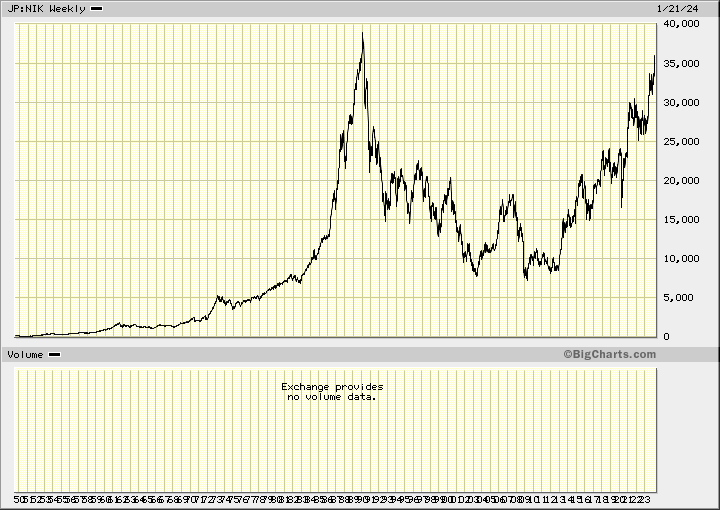
Lately there has been a fair amount of attention on the recovery in the Nikkei 225 Index. This stock index peaked at an all time high of 38,195 reached in December 1989. Prices have climbed back to 35,751.07 as of today after a multi-year fall to the downside. Let's check out the iShares MSCI Japan ETF EWJ to see if further gains are possible.
First, a look at the Nikkei 225
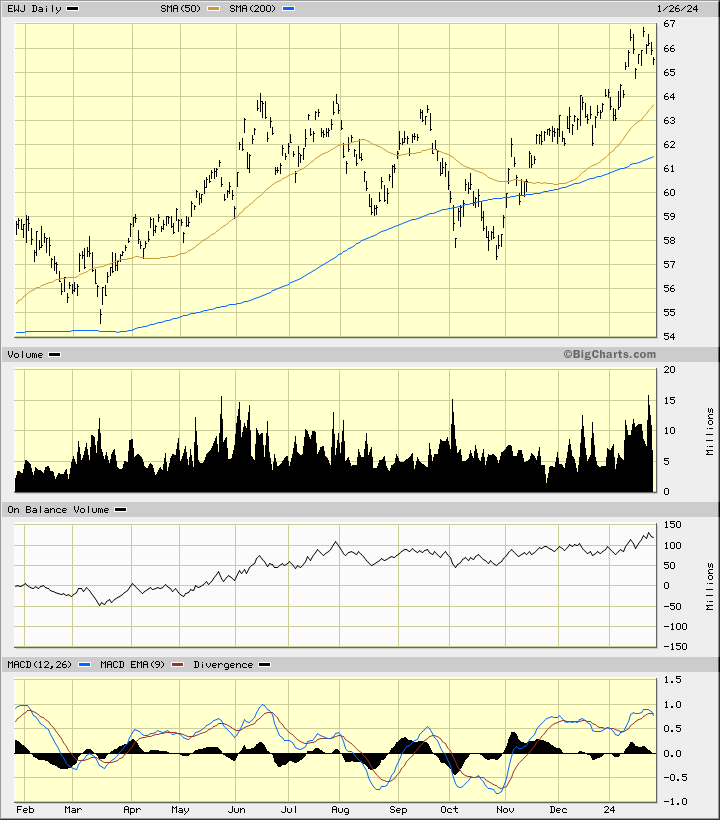
In this daily bar chart of the EWJ, below, I can see that prices have made a start and stop rally the past year. Prices broke down below the rising 200-day moving average line in October and November but is back above the line now. EWJ is also trading above the rising 50-day line. The trading volume in the ETF has been increasing since late November.
The daily On-Balance-Volume (OBV) line has been creeping upwards the past three months telling me that buyers of the EWJ have been more aggressive than sellers. The Moving Average Convergence Divergence (MACD) oscillator is above the zero line but struggling.
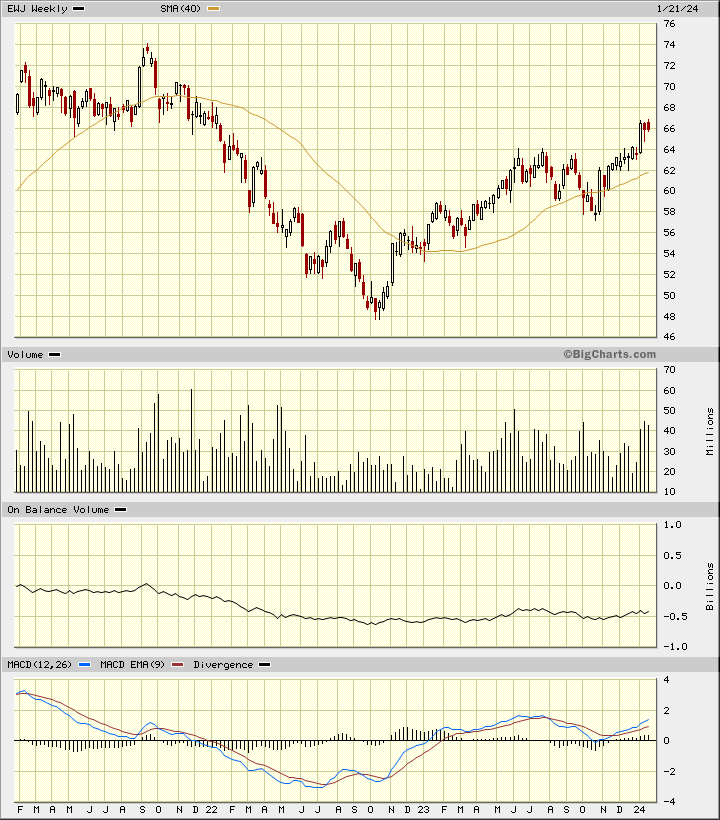
In this weekly Japanese candlestick chart of the EWJ, below, I see a mixed picture. Prices have been in an uptrend and trade above the rising 40-week moving average line. The trading volume has been heavy the past year but the weekly OBV line has done little.
The MACD oscillator is in a bullish trend above the zero line but it has not made a new high for the move up like prices have done.
In this daily Point and Figure chart of the EWJ, below, I can see an upside price target in the $69 area.
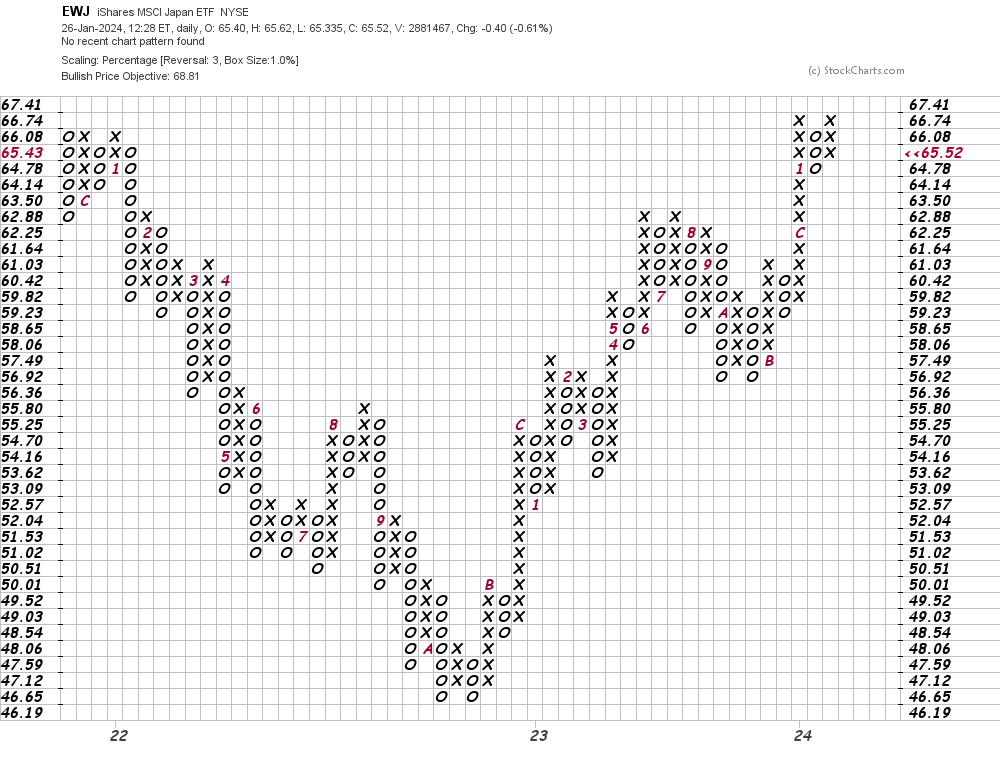
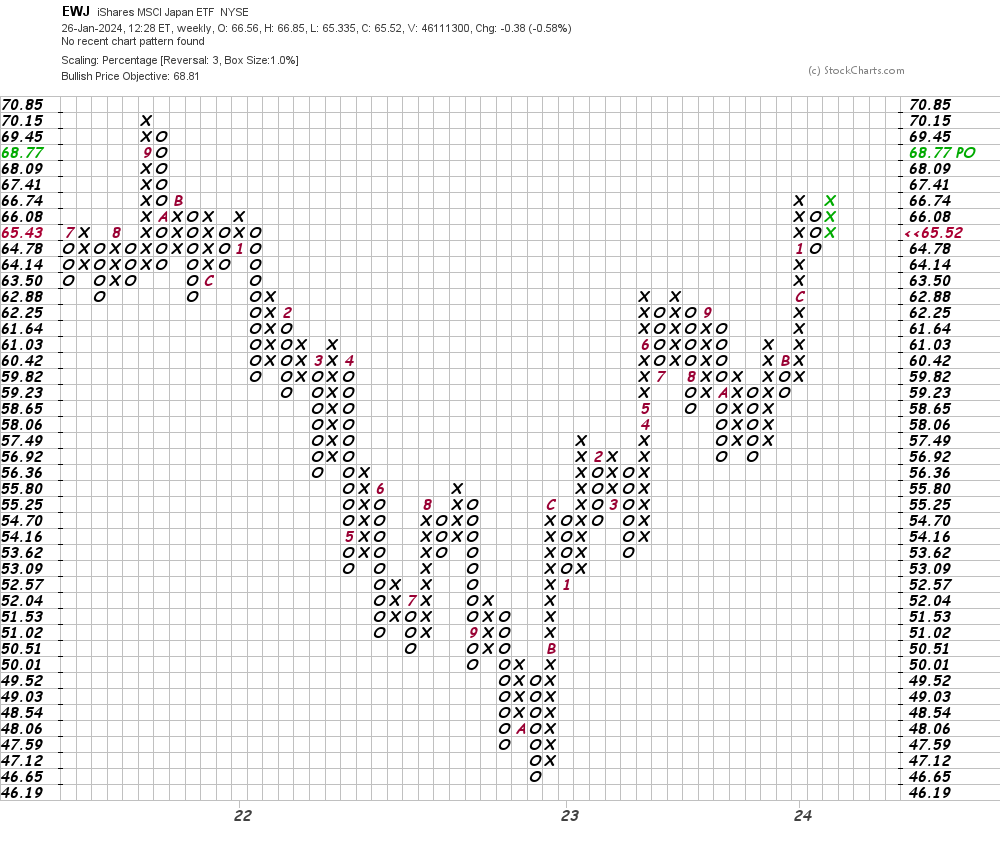
In this weekly Point and Figure chart of the EWJ, below, I can see the same $69 price target.
Bottom line strategy: I would not make a purchase now as the Nikkei 225 could pull back to its breakout level of early January. Let's revisit it after this anticipated correction.
Employees of TheStreet are prohibited from trading individual securities.